Tooth Gems: A trend to smile about, with a few words of caution
Published at
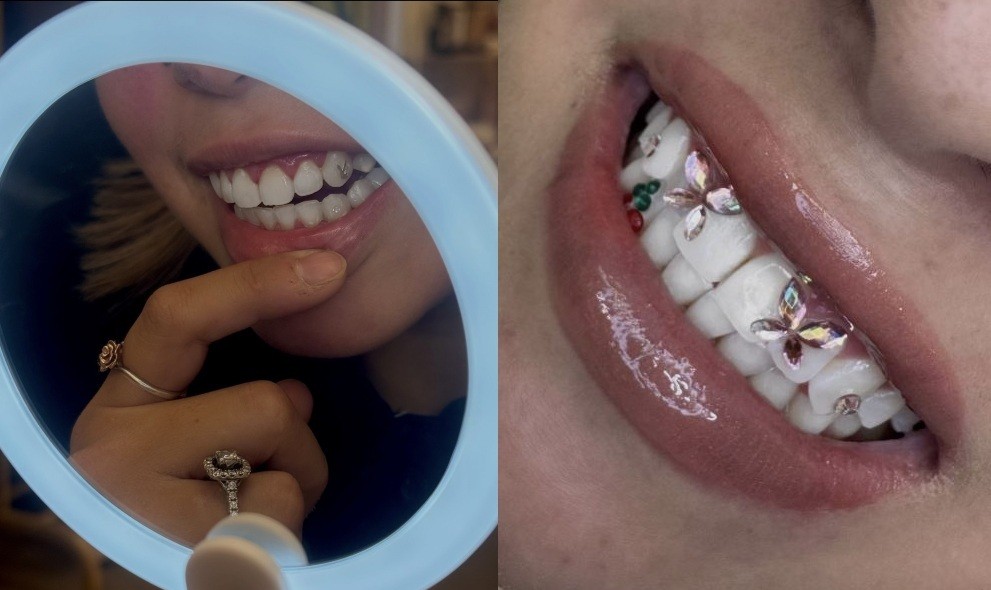
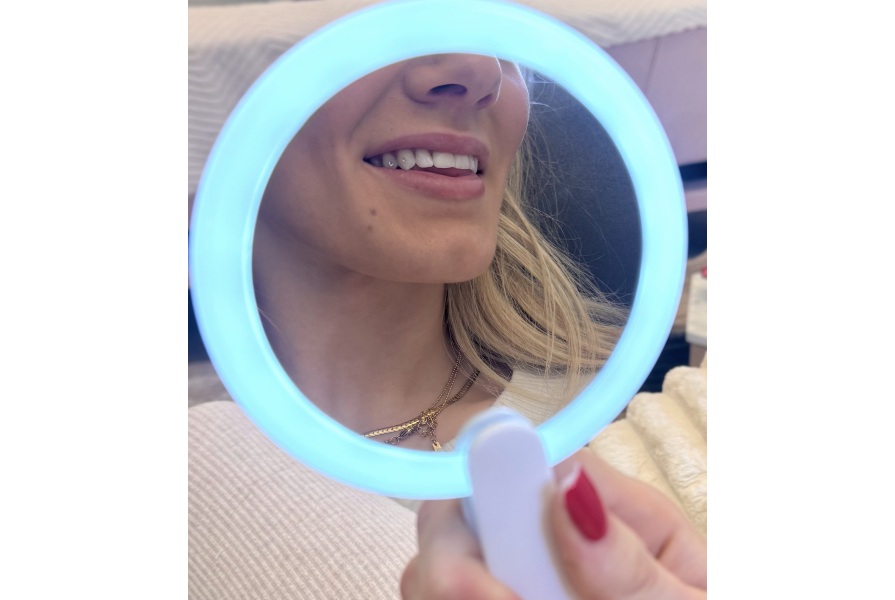
POCATELLO — A tiny crystal shimmering on a front tooth or a flashier butterfly, or flower-shaped gem is becoming a thing in eastern Idaho.
The trend of adding “tooth gems” — small, decorative stones affixed to teeth — has migrated from social-media feeds and celebrity grins to local beauty studios and salons.
Once a novelty accessory, tooth gems are now popping up in local towns, popular among teens and young adults eager to add a flash of sparkle without making a permanent change.
For a modest investment and one short appointment, customers can personalize their smile with a semi-permanent gem that typically lasts from six to 12 months.
But with the allure comes a bit of caution. Oral health professionals remind consumers that the procedure must be performed correctly to avoid risks such as trapped plaque or enamel damage.
Bringing bling and cha-ching to local businesses
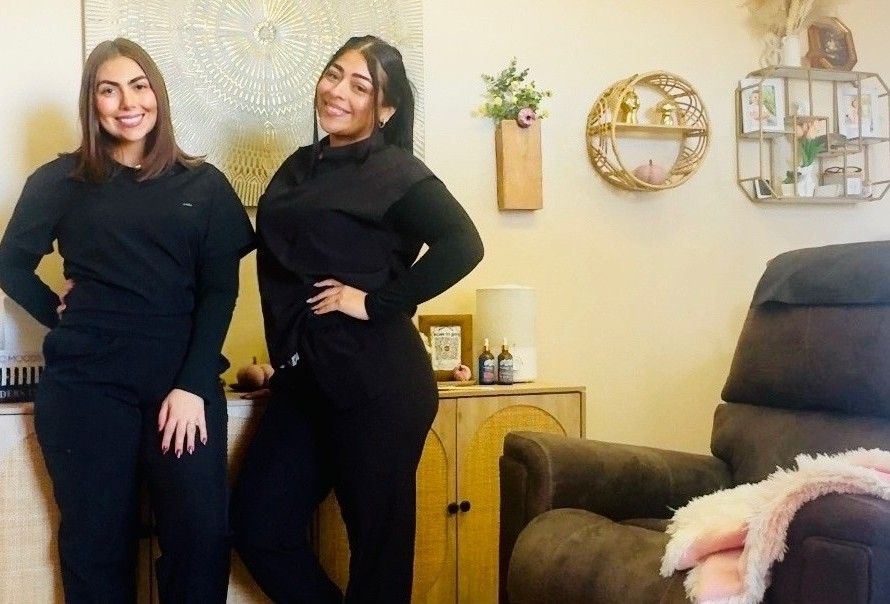
Idaho State University student and Pocatello businesswoman Angelina Duran is one of the few providers in eastern Idaho offering professional tooth gems.
For the past two years, Duran has been adding sparkle to smiles at Honey Studio, her business located in the historic Bannock Building at 845 Center Street (across from Del Monte Meats), which she shares with friend and business partner Sierra Gower, who specializes in spray tans and lash services.
“Tooth gems are a great way to express yourself and give people a boost of confidence — and they’re not as permanent as a tattoo,” Duran said.
Duran utilizes professional-grade Swarovski gems in a variety of designs — from crosses and butterflies to hearts, flowers, and even Hello Kitty — in gold, silver and gemstone colors.
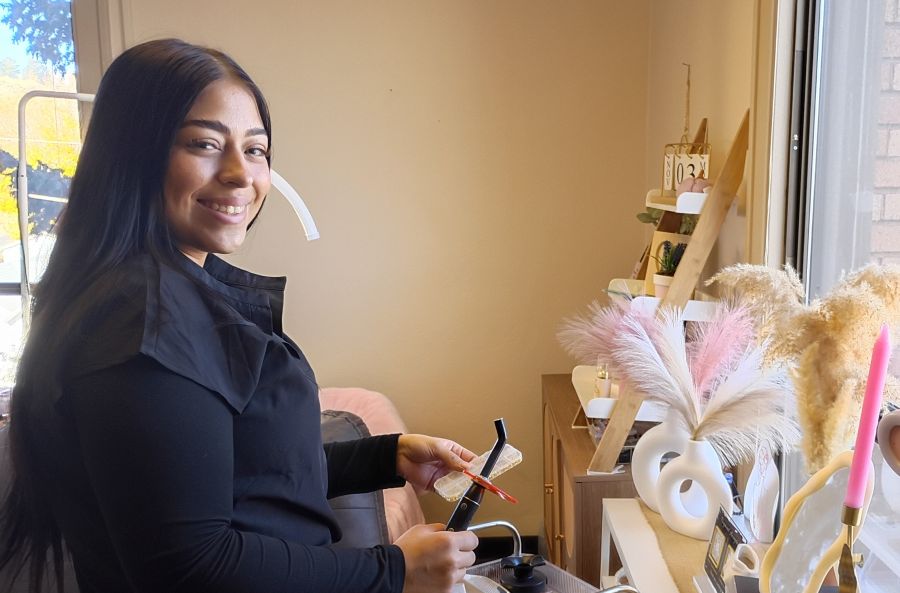
She applies them using a dental-grade blue etch tool to slightly roughen the enamel, then adheres the gem with dental-grade adhesive, which is cured under a UV light, creating a bond that can last up to 12 months, depending on the individual’s oral hygiene habits.
Tooth gems are designed to be semi-permanent and will naturally fall off on their own at some point; however, if one wants them removed before that, Duran emphasized that a dentist should always do a removal.
“Obviously, tooth gems aren’t made to be edible, but if you accidentally swallow one, it won’t hurt you. My gems are lead-free and body safe,” Duran said.
Duran provides her customers with instructions and a list of best practices to ensure a long-lasting and healthy tooth gem experience.
At Honey Studio, tooth gems start at two for $30, while other salons — such as Moonchild Charms in Idaho Falls — offer more high-end options with genuine opal gems starting at $85 and 18k gold gems beginning at $120, according to its website.
Duran said she is accepting new clients and loves meeting new people. Appointments with Duran can be made by calling (208) 380-6631. For more information, visit Honey Studio or follow @honeystudio.ld on Instagram for photos and updates.
Clients who have bedazzled their smile
Jade Bosquez of Pocatello has had up to five tooth gems at once put on by Duran at Honey Studio.
“A smile is everyone’s best feature,” she said. “I did it to add some sparkle and razzle-dazzle. It’s a fun way to make an entrance.”
Bosquez said her gems lasted a few months. She advises staying away from sticky foods and using good oral hygiene to keep the gems on longer.
For Tomi Cavner, getting a tooth gem at Honey Studio was all about subtle style.
“I loved the idea of adding something fun to my smile while still keeping it classy,” she said. “The process was super easy and comfortable — everything was clean, quick and just how I wanted it. I’ve gotten so many compliments since.”
A local dentist weighs in on the trend
While tooth gems may be a fun and flashy form of self-expression, Pocatello dentist Dr. Tyler Marlowe of Portneuf Valley Dental reminds patients that any procedure involving teeth should be done carefully and professionally.
RELATED: New smile in town: Dr. Marlowe takes over Portneuf Valley Dental
“Tooth gems can be safe when they’re applied—and especially when they’re cared for and removed—correctly,” Marlowe told EastIdahoNews.com. “The problems usually come from cheap materials or improper techniques.”
He explained that some gems and adhesives sold online are made from unsafe metals or plastics that can corrode inside the mouth. Without a proper dental evaluation, those materials — and even the gem itself — can trap bacteria, cause plaque buildup, or damage enamel.
“Anything in the mouth will accumulate plaque biofilm,” he said. “Some tooth gems are rough and have nooks and crannies where food and bacteria collect. Without good oral hygiene, that can lead to cavities, white spots, or bad breath.”
Marlowe noted that enamel, the tooth’s hard outer layer, cannot heal once it’s damaged.
“Improper placement or removal can permanently scar the enamel. The science of dental adhesives and bonding is highly complex,” he added. Using untested “black-market” materials or doing the procedure without proper training can leave rough spots, discoloration, or even cause fillings and crowns to fail.”
Before getting a tooth gem, Marlowe advises patients to ensure that a full oral health screening is performed and that only FDA-approved, medical-grade bonding materials are used. Infection-control procedures, dry-field isolation, and patient education on home care and removal are also essential.
So, who should apply a tooth gem? “If it were my mother, my wife, or my child, I’d want the best person trained for the job,” Marlowe said. “In the U.S., that’s someone with a dental license. Only a dentist can perform a full mouth exam and give proper informed consent.”
Ultimately, Marlowe sees no harm in tooth gems when done right. “They can be a fun and safe way to express yourself,” he said. “When placed and cared for correctly, they can fit right into a healthy, happy smile.”
For more information, visit the American Dental Association’s page on Oral Piercings and Jewelry