Matching size and space: Creating landscape proportion
Published at | Updated at
EDITOR’S NOTE: In this series on the principles of landscape design, we will be focusing on correcting common design flaws, while accounting for East Idaho’s climate. Each week until February, we will take a detailed look at a couple of principles and how you can apply them to your property, elevating its aesthetic.
We often make our landscaping choices based on availability. We purchase and plant whatever the local garden center stocks. Or we save money by getting perennial starts from family and friends. Neither of these are necessarily bad, but it does severely limit our plant choices and often creates a disjointed and improperly proportioned landscape in just a few years.
We seldom consider shape, height, or growth form if we neglect making a landscape plan that keeps these in mind. It’s hard to comprehend mature size when planting saplings, seedlings, and rhizomes.
When creating your landscape plan, follow these design strategies to keep your landscape in check.
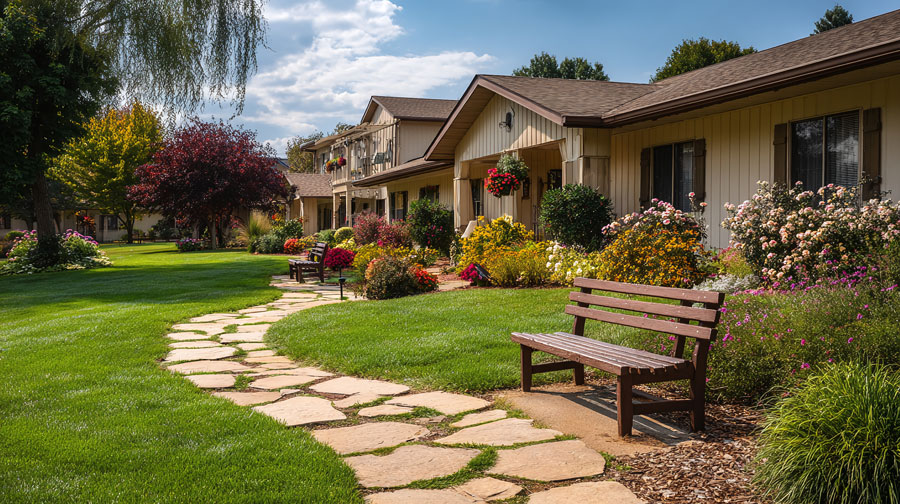
First, keep foundation plantings proportionate to nearby wall height and architectural features. Large shrubs and trees have their place, but that might not include your yard. Small acreage shouldn’t have large plantings. Fortunately, our current horticultural industry offers a myriad of options.
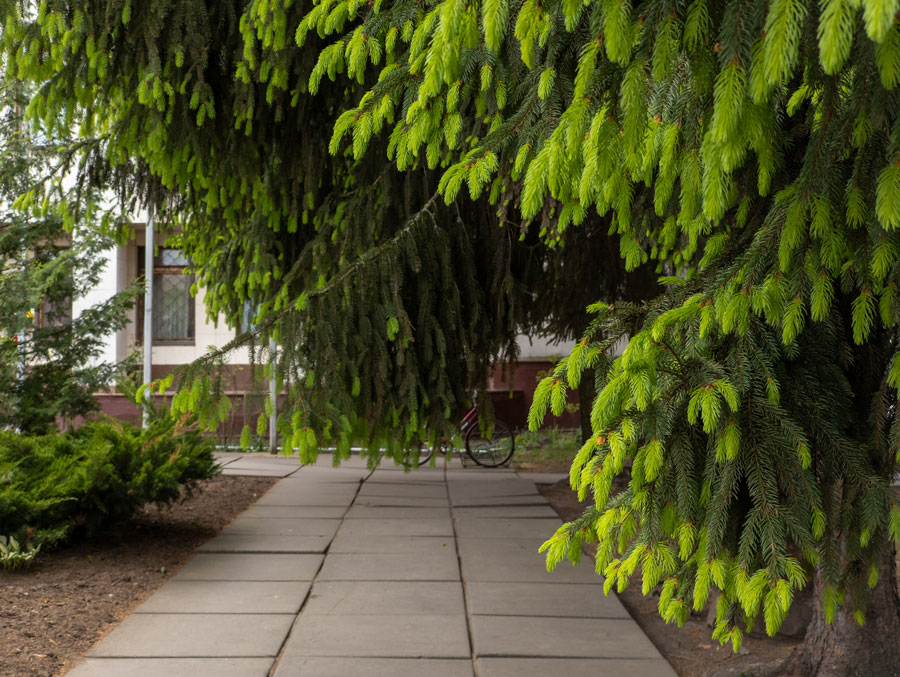
Do you want a blue spruce but lack the space? Look into Globosa and Montgomery varieties. Neither gets as tall or wide as traditional blue spruce and both are slow growing. What would be a good shade tree in a small yard? Maybe investigate ‘Hotwings’ Tatarian maple or Lavalle hawthorn. The alternatives are out there. Don’t just settle for whatever is available.
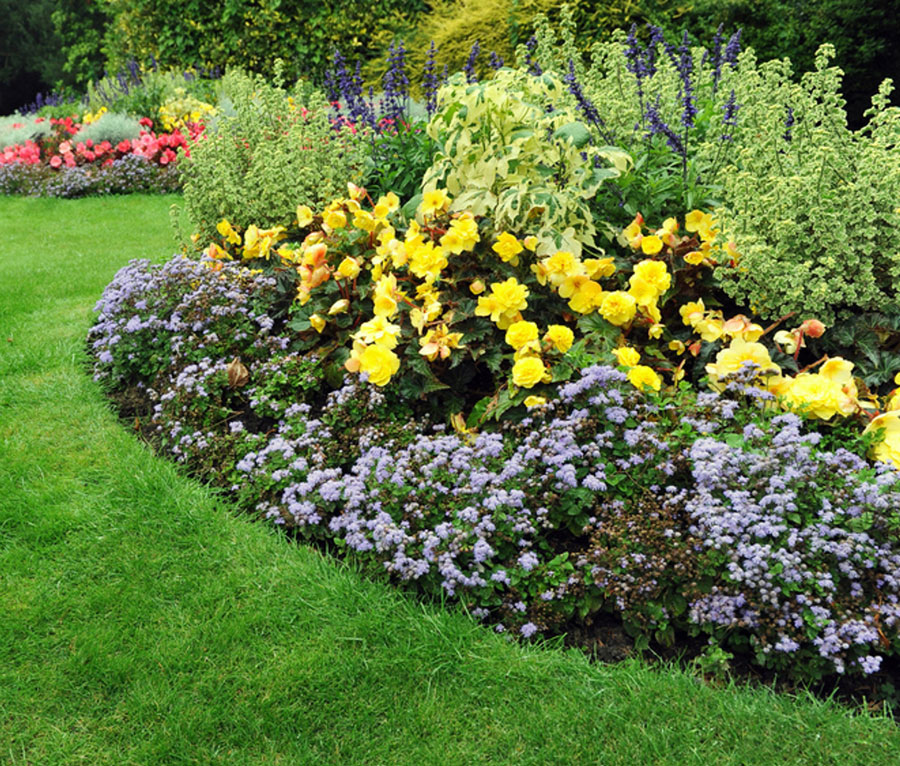
Second, introduce scale through layering. Layering is a design approach that arranges plants in vertical tiers—typically groundcovers and perennials at the front, shrubs in the middle, and small trees or canopy plants at the back—to create landscapes that feel natural, cohesive, and resilient.
This structure also delivers practical benefits: trees provide shade and wind protection, shrubs act as transitions and habitat, and lower plants help suppress weeds, reduce erosion, and moderate soil temperature. Incorporating other elevation-enhancing elements such as terracing or rock walls will enrich your landscape.
Lastly, the principle of function ensures your outdoor space is both practical and visually appealing. It involves considering how the space will be used before putting spade to soil. Envision and designate areas for the activities you plan to do.
Where is your seating area(s)? Do you need/want a spot to throw a football? Are your trees going to shade your vegetable garden plot as they get bigger? Do you have a statue or a trellis you want to incorporate? How you answer these types of questions will help design your yard around you. Then choose your plants that enhance rather than detract from your objectives.