



Devastating illness killed millions of bats in North America. It was just found in Idaho
Published at
Nicole Blanchard, Idaho Statesman
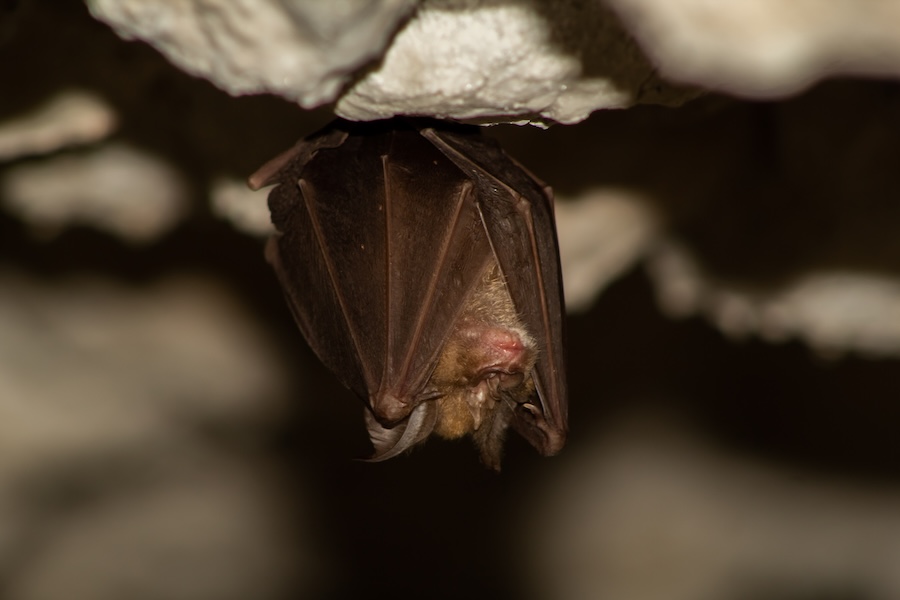
A disease that has devastated North American bat populations for nearly 20 years has been confirmed in Idaho bats for the first time, Idaho Fish and Game said in a news release this month.
Officials with the agency said three bats in North Idaho tested positive for white-nose syndrome — an illness caused by the Pseudogymnoascus destructans fungus, commonly known as Pd. The illness often appears as a growth of white fuzz over the bat’s nose or wings and causes damage to those hairless areas of skin, waking the bats from hibernation and prompting activity that depletes energy the animals need to survive through winter.
According to the White-nose Syndrome Response Team, a group of U.S. Fish and Wildlife Service employees who focus on ways to treat and prevent the fungus and resulting disease, Pd has killed millions of bats in North America since it was first detected near Albany, New York, in 2007, and it can wipe out 90% to 100% of a bat colony.
Idaho Fish and Game said a little brown bat and a western long-eared bat found in Bonner County in 2025 tested positive for the disease, as did a third bat collected from Kootenai County in 2026. Fish and Game is still waiting on final species confirmation for the third bat.
Both species are native to Idaho and among the species most affected by white-nose syndrome.
Fish and Game said two other bats in Kootenai and Clearwater counties tested positive for Pd fungus in 2025 but did not show signs of the disease. Both were California bats, another Idaho native species, which is among species considered less susceptible to white-nose syndrome.
The fungus has been in Idaho for several years. It was first detected in southeast Idaho near the Utah border in October 2021 in Minnetonka Cave. No bats there have been affected by the disease, and no additional Pd has been found in the cave, Fish and Game said.
The detection in Minnetonka Cave, which is a popular tour location, prompted concern about the spread of white-nose syndrome by cave visitors. Experts urge anyone who visits caves — on guided tours or solo caving — to never use the same gear from an area with white-nose syndrome when visiting an area without the fungus. Cavers should also clean and disinfect gear and clothing between visits.