




Incumbent Jefferson County Commissioner has 2 Republican challengers in the primary
Published at
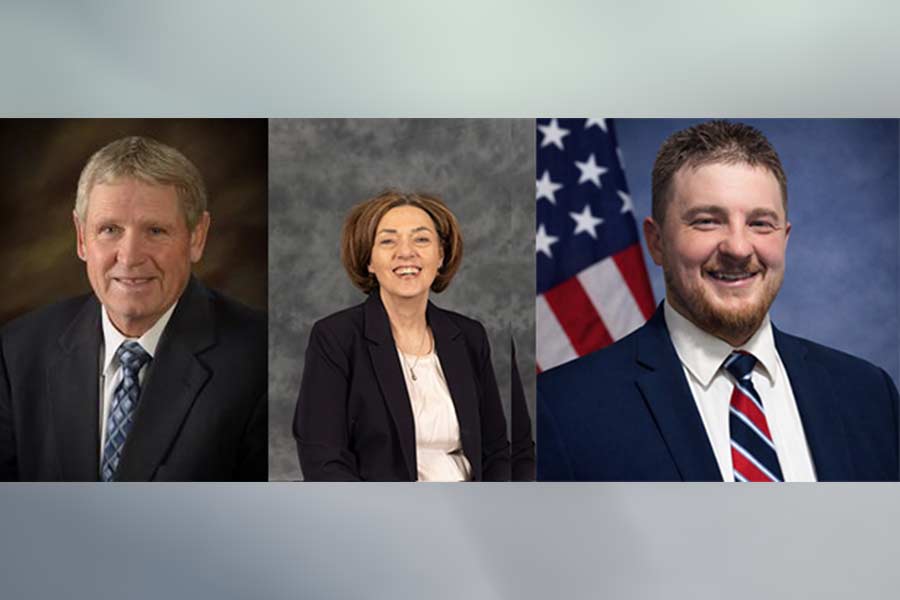
RIGBY – Three candidates are hoping to become the Republican nominee for Jefferson County Commissioner Seat 2.
Two-term incumbent Scott Hancock is seeking re-election for a third term. His challengers are Rebecca Webster and Justin Winger.
EastIdahoNews.com sent the same eight questions to each candidate. Their responses, included below, were required to be 250 words or fewer.
The candidate who wins the primary will be on the general election ballot on Nov. 3. The primary election will be held on May 19.
Tell us about yourself — include information about your family, career, education, volunteer work, and prior experience in public office.
Hancock: I was born in Rigby, raised on a dairy farm in the Garfield area of Jefferson County and have resided in the county for over 65 years. I graduated from Rigby High School, went to Ricks College, on a two-year mission, then returned to Ricks earning an associate degree. While there I met my eternal sweetheart, Holly and have been married 51+years. Together we raised seven children, which all graduated from Rigby High School. We have 27 grandchildren and 5 great grandchildren. I went on to earn a
Bachelor’s Degree from Idaho State University and a Master’s Degree from Golden Gate University in San Francisco. I worked in the heavy construction industry for 8 years as an operator and field engineer for Burgraff Construction. I then worked for Granite Construction in their corporate headquarters for 5 years as a cost engineer. I then worked for the Idaho National Lab for 27 years as a contract’s administrator and civil engineering projects manager, becoming a Certified Professional Contract Manager and Professional Projects Manager. My wife and I own and operate a 550 acre farm and beef cow operation. I have been a Jefferson County Commissioner for 11+years, serving as chairman of the board for 7+ years. I am a state director for the Idaho Association of Counties, chairman of District Six Elected Officials, chairman of the
Regional Development Alliance. I’ve served in many leadership roles in church and community in volunteer positions in scouting and sports organizations and currently serve on two canal boards.
Webster: I am Rebecca Webster, a graduate of Rigby High School with a Bachelor’s degree in Business and a Master’s in Administration. I was born in Rigby and have spent most of my life in this community, building deep roots and lasting relationships.
My husband and I have been married for nearly 50 years, and together we have raised five children, and now enjoy the blessing of 18 grandchildren and 7 great grandchildren. We live on our ranch where we raise horses, cattle, and hay, and continue to value the hard work and stewardship that come with that way of life.
I have always appreciated the opportunities this area provides for families. I enjoy spending time outdoors, riding horses, and taking in the natural beauty that makes this place so special. I was proud to help establish the Jefferson County Fair in Rigby, and my children were actively involved in 4 H, showing sheep and learning responsibility through agriculture.
While I have not run for public office before, I care deeply about this community and its future. I am eager for the opportunity to serve the people of Jefferson County and contribute to preserving the values and way of life we all cherish.
Winger: I’m Justin Winger, a resident of Jefferson County. I’m raising four kids here, and that’s a big part of why I care so much about the future of our community. I want my kids to grow up in a place that is safe, well-managed, and still feels like home.
I work as an electrician and help run and manage our family electrical business. Through that work, I’ve gained real-world experience in budgeting, planning, problem-solving, and meeting deadlines. Every day, I’m making decisions that have real financial consequences, and I understand the importance of doing things right the first time.
I’m not a career politician, and I don’t have prior experience in public office. What I do bring is practical experience, a strong work ethic, and a willingness to listen and learn. In my line of work, you don’t always have all the answers, but you figure things out, work with others, and get the job done.
I’m running because I care about this county, and I want to be part of making sure it stays a great place to live for current and future generations.
Why are you seeking political office within your community? Briefly explain your political platform.
Winger: I’m running for county commissioner because I’m concerned about the direction our county is heading, especially when it comes to growth. Growth is coming whether we like it or not, but if we don’t plan for it, the people who already live here will end up paying for it.
Right now, our infrastructure is struggling to keep up. Roads are falling behind, our schools are crowded, and our emergency services are stretched thin. At the same time, development continues to be approved. That gap is what worries me.
My platform is centered around responsible, planned growth. That means working with planning and zoning to understand where growth is happening and making sure infrastructure is considered before development is approved. It also means expecting developers to bring forward real plans, not just housing, but how that growth will impact roads, services, and the community as a whole.
I also believe we need to take a hard look at our county finances. Based on the 2024 audit, we spent more than we brought in. We need to separate needs from wants and make sure we are being responsible with taxpayer dollars.
I want to be part of finding solutions and planning ahead instead of constantly playing catch-up.
Webster: I am seeking public office to put my experience to work for the people of this county. With a background in business and years of hands on work in budgeting, I understand the importance of careful financial planning and responsible decision making. I recently retired from teaching, where I spent more than 20 years instructing students in accounting and budgeting. That experience strengthened my ability to review financial information, ask the right questions, and make sound decisions based on facts.
My focus is on strengthening our infrastructure while planning for growth in a way that protects our small town character. As our community expands, we must ensure that our roads, schools, churches, and businesses can support that growth without losing what makes this area special. These priorities go hand in hand, and thoughtful planning is key to maintaining quality and balance.
Water is one of our most important resources. It supports our farms, our families, and our future. As a county commissioner, I will work with local groups and state agencies to encourage responsible water use, consider how growth impacts supply, and support practical solutions that protect this resource for future generations.
Hancock: The reason that I am seeking re-election is I have been serving as a commissioner for 11+ years, and I’m currently working on several projects that I would like to see completed or well on their way to completion. Over the last 7 years working with the other two commissioners, we have been able to accomplish many important projects and objectives that have greatly helped the county as a whole and the residents living in the county. I believe we have a good thing going in the county and I want this to continue in the future. I do this job as a commissioner for service to the community and its residents. I am deeply vested in our county and concerned for the success and growth of the county. My political platform is simple: Ensure the county is run as efficiently and fiscally responsible as possible, to ensure there is no waste and abuse of taxpayer dollars, to provide the essential county services efficiently and cost-effectively, to look to the future in all planning decisions and make decisions that are in the best interest of the county.
What are the greatest challenges facing people in your county? What is your plan to meet and overcome those challenges?
Webster: The greatest challenges facing the people of Jefferson County are rapid growth and the strain it places on our roads, bridges, schools, water systems, and agricultural land. Growth is inevitable, but when it happens too quickly without proper planning, it can impact our quality of life, increase costs, and put pressure on the resources we depend on every day.
My plan is to support a well thought out approach to growth that ensures our infrastructure keeps pace in a responsible and sustainable way. This means working closely with planning and zoning, prioritizing road and bridge improvements, and making sure our schools and public services are prepared for future needs. Protecting our agricultural base and managing water responsibly will also be key parts of that effort.
I believe transparency is essential. The public deserves to know how their tax dollars are being spent. I will support clear communication and open discussions about county finances, including funding for the sheriff’s department, infrastructure projects, and long term planning. By working together and focusing on practical solutions, we can manage growth while preserving the values and way of life that make Jefferson County a great place to live.
Hancock: The greatest challenges facing the people of my county must be the economic uncertainty they are currently facing. Housing costs have skyrocketed, fuel prices have almost doubled, and all the essential food and living expenses have gone up. As far as many of these issues are concerned, they are caused by circumstances beyond the control of commissioners. We can help by lowering the tax burden when we can. This is something that I as a commissioner have already done. Where possible I will continue to reduce taxes and make sure the tax dollars are used as judiciously as possible. I will continue to ensure long term planning is implemented in land use decisions and I will continue to plan for the future growth of this county.
Winger: The biggest challenge facing our county right now is growth outpacing our infrastructure.
We’re seeing more development, but our roads, emergency services, and schools are not keeping up. If that continues, it puts pressure on taxpayers and lowers the quality of life for the people already living here.
My approach is simple: plan ahead instead of reacting after the fact.
First, I’d work closely with planning and zoning to identify where growth is expected and what infrastructure is needed to support it. Before approving developments, we should be asking clear questions about roads, traffic, emergency response, and long-term impact.
Second, we need to use the tools we already have more effectively, such as development agreements. While we can’t stop growth, we can require better planning so that growth contributes to the community instead of straining it.
Third, we need to be honest about our budget. If services like EMS are already stretched thin, we need to prioritize funding where it matters most and avoid unnecessary spending elsewhere.
Growth isn’t the problem, unplanned growth is. If we take a proactive approach, we can manage it in a way that protects both our community and our taxpayers.
How will you best represent the views your constituents, even those with differing political views? How do partisan politics play into your role as an elected leader?
Winger: As a county commissioner, my job is to represent everyone, not just the people who agree with me.
The best way to do that is by listening. People want to be heard, and many of the issues we face at the county level aren’t about party lines, they’re about roads, budgets, emergency services, and day-to-day concerns that affect everyone.
I believe in being accessible and straightforward. If someone has a concern, they should be able to bring it forward and know it will be taken seriously. Even if we don’t always agree, I’ll make decisions based on what I believe is best for the county as a whole, not based on politics.
Partisan politics should play a very limited role at the county level. Most of the decisions we make are practical, not political. They require common sense, good planning, and responsible use of taxpayer money.
At the end of the day, I’m not running to push a political agenda, I’m running to solve problems and represent the people of this county fairly and honestly.
Webster: I will represent my constituents by listening first and making sure every voice is heard, even when opinions differ. Good decisions come from understanding the concerns of the whole community, not just a few. I believe in being accessible, open to conversation, and willing to consider different perspectives before making decisions. Respect and clear communication are key to building trust.
As a county commissioner, the focus should be on people and practical solutions, not partisan politics. Most of the issues we face, such as roads, schools, water, and public safety, are not political, they are community needs. My role is to work with others, find common ground, and make decisions that are fair, responsible, and in the best interest of the county as a whole.
Hancock: As a commissioner I must represent the entire population of the county. I don’t believe that anyone should not be given the opportunity to be heard and listened to. As I make decisions, I must weigh the views of all the constituents regardless of political affiliation. The final decision must be what the majority of the residents want or what is in the best interest of the county. However, as commissioners we still must follow Idaho law and Idaho codes in making decisions, which sometimes may be contrary to many of the residents feelings on certain issues. As far as myself, partisan politics are not important since I represent all constituents. We must listen and evaluate all positions on issues in
making decisions.
What part of the county budget could use more funding? Where are places in the budget where cuts could be made?
Hancock: Probably the biggest need for increased funding will be the Road and Bridge Department. Due to cuts by the State of Idaho, the funding from the State will be 1.74 million less than funded in the prior year. The State has been providing additional funding from sales tax receipts but due to revenue short falls this past year this additional funding has been cut. It is important that we continue to upgrade and maintain the county roads. The county roads are experiencing a higher volume of traffic every year. If we don’t fund this maintenance, we will see significant deterioration of our roads.
There are two areas in the budget where we may be able to see significant reductions. The first is the funding for the ambulance service and the second is the cost for juvenile detention. This past year the county has spent over $600,000 on ambulance services. Part of this was the creation of an ambulance district and purchasing equipment. Since this is now an ambulance district it will be funded as a separate taxing district and not out the county’s budget. The second is the funding for juvenile detention. 5C which was the detention center for Teton, Jefferson, Fremont, Clark and Madison Counties, was costing our county over $500,000 per year. We have closed 5C down and negotiated a contract with 3B, Bonneville, Bingham and Butte Counties to house our juveniles. This contract should save our county over $200,000 per year.
Webster: I believe our budget should reflect the basic needs of our community first. Areas that may require additional funding include roads and bridges, as continued growth increases wear and demand on our infrastructure. Public safety is also a priority, including support for the sheriff’s department to ensure they have the resources needed to serve and protect our communities. Planning and zoning may also need attention so growth is managed responsibly and does not outpace our infrastructure.
At the same time, I believe we must be careful and responsible with taxpayer dollars. Rather than focusing on broad cuts, I would look closely at spending to identify inefficiencies, duplication, or areas where funds are not being used effectively. Every department should be accountable and able to show the value of its spending.
My approach is to focus on smart budgeting by prioritizing essential services, improving efficiency, and maintaining transparency so the public understands where their money is going and why.
Winger: One area that could use more attention in the budget is infrastructure, particularly roads and emergency services. These are core responsibilities of the county, and as we grow, the demand on these services continues to increase.
At the same time, we need to take a careful look at where we may be overspending. Based on the 2024 audit, the county spent more than it brought in through the general fund. That’s not sustainable long term.
Before making cuts, I believe it’s important to fully understand where the money is going. That means reviewing the budget line by line and identifying areas where spending may not be necessary or could be more efficient.
My focus would be on separating needs from wants. Essential services like roads, law enforcement, and EMS should be prioritized. Any unnecessary or inefficient spending should be addressed.
We also need to look at ways to plan better financially so we’re not constantly reacting to shortfalls. Responsible budgeting isn’t about cutting for the sake of cutting, it’s about making sure taxpayer dollars are being used wisely and effectively.
What specific changes can be made in this office to increase public transparency and access to public information? How will you communicate directly with your constituents?
Winger: Transparency starts with making information easy to access and understand.
I’d support making county budgets, meeting notes, and decisions more available online in a clear and user-friendly way. People shouldn’t have to dig to find out how decisions are being made or how their money is being spent.
Communication is just as important. I plan to regularly communicate with constituents through meetings, social media, and direct outreach. Whether it’s updates on county decisions or simply listening to concerns, people should feel connected to their local government.
I also believe in encouraging more public participation. The more input we get from residents, the better decisions we can make.
One of the biggest changes I want to bring is making sure people feel like they have a voice. We can’t fix problems we don’t know about, and it’s our responsibility to create opportunities for people to be heard.
Webster: To increase transparency and access to public information, I would support making county decisions and finances easier for the public to see and understand. This includes clear and timely posting of meeting agendas, minutes, and budget reports, along with simple summaries that explain how tax dollars are being spent. I also believe public meetings should be easy to attend, with options to view them online when possible.
I would encourage open communication between the county and its residents by making information readily available and responding to questions in a timely and respectful manner. Departments should be accountable and willing to explain their decisions so the public feels informed and involved.
To communicate directly with my constituents, I will be accessible and approachable. I plan to attend community events, hold regular opportunities for the public to share concerns, and provide updates through local channels so people know what is happening in the county. I believe consistent, honest communication is key to building trust and ensuring the public has a voice in the decisions that affect them.
Hancock: The county is currently using social media, the county website, zoom access to
commissioner meetings, and published meeting minutes. The use of social media and the use of the county website to inform constituents is relatively new. I believe a media blitz informing the residents of what is already available will help. We are planning on starting a monthly commissioner newsletter to inform the constituents on ordinance that are being considered for changes, important issues facing the county, state laws that may affect residents, planning and zoning issues, and any other important information that may be helpful to our residents.
I personally communicate with my constituents in person, by telephone, by email, and texting. There has never been a telephone call the I haven’t taken or returned with constituents.
Can you give a concrete example of a policy or budget decision you would support to improve a county service within your first year in office?
Webster: A specific policy and budget priority I would support in my first year is a coordinated road improvement project along 3800, from the county line, in partnership with Bonneville County and the Idaho Transportation Department. This corridor is an important connector between counties, and improving it would directly impact safety, traffic flow, and daily travel for our residents.
My approach would be to prioritize this project within the county’s capital improvement plan by identifying funding opportunities, including shared inter-county cost agreements, state transportation funds, and potential grants. The goal would be to address key concerns such as road surface conditions, visibility, signage, and long-term durability to handle increased traffic from continued growth.
This is not just a maintenance issue—it is a safety and infrastructure investment. By working collaboratively across jurisdictions, we can ensure consistency in road standards from one county to the next and avoid gaps that put drivers at risk. Improving this route would benefit commuters, agricultural operations, emergency services, and overall economic activity in the region.
This type of project reflects my broader commitment to responsible growth, smart budgeting, and making sure our infrastructure keeps pace with the needs of our community. It is a practical, achievable step that would deliver visible results within the first year and build a foundation for future transportation planning.
Hancock: As indicated in an early question we as a county must fund our Road and Bridge
Department. Our roads are so important to the economy, safety, access, transportation, and growth of our county and residents. We already know that there will be less funding from the state for roads and bridges. This means that the county will need to step-up the funding for the county roads and bridges. Our roads and bridges are the county’s largest capital assets.
Winger: One concrete step I’d support in my first year is strengthening development planning requirements.
Before approving new developments, I’d push for clearer expectations that developers provide detailed plans addressing infrastructure impacts, such as road access, traffic flow, and emergency service considerations.
This isn’t about stopping growth, but about making sure growth is done responsibly. If a development is going to add strain to roads or emergency services, those impacts should be identified and addressed upfront.
I’d also support reviewing how development agreements are currently being used and whether they can be applied more effectively to ensure better planning and coordination.
This is a practical step that can be taken right away and would help prevent larger problems down the road.
By focusing on planning early, we can avoid costly fixes later and make sure growth benefits the community instead of overwhelming it.
What experience do you bring that prepares you to manage county finances, and how will you ensure fiscal responsibility?
Winger: My experience managing finances comes from helping run a family business.
In our electrical business, budgeting is a daily responsibility. We have to plan projects, manage costs, and make sure we’re staying profitable. If we overspend or make poor decisions, we feel it immediately.
That experience has taught me the importance of accountability and planning. You can’t spend more than you bring in long term, it’s not sustainable.
If elected, I’d apply that same mindset to county finances. I’d take the time to understand the budget, ask questions, and make sure decisions are based on real needs.
I also believe in transparency and accountability. Taxpayers deserve to know how their money is being used, and elected officials should be responsible for those decisions.
I may not come from a political background, but I bring practical, real-world financial experience and a commitment to making responsible decisions for the county.
Webster: I bring both formal education and real-world experience that prepare me to manage county finances responsibly. I hold a Bachelor’s degree in Business and a Master’s in Administration, and I spent over 20 years teaching accounting and budgeting. That experience required me to work hands-on with financial principles, analyze budgets, and ensure accuracy and accountability in decision-making.
In addition, my background in business and managing a working ranch has given me practical experience in balancing expenses, planning for the long term, and making careful financial choices in changing conditions.
As a county commissioner, I will ensure fiscal responsibility by prioritizing essential services like roads, public safety, and infrastructure, while closely reviewing spending for inefficiencies or duplication. I believe every department should be accountable and able to clearly demonstrate the value of its budget.
Transparency is also critical. I will support clear communication so the public understands how their tax dollars are being used. My approach is simple: make decisions based on facts, plan carefully for growth, and ensure we are spending responsibly today while protecting the county’s future.
Hancock: I am currently serving as a commissioner and have served for the last 11+ years. I have been instrumental in all budget processes during this time. Prior to becoming a commissioner I had a background in management of large government projects, which required budget development and controls. I have a Master’s Degree in finance, which has given me the knowledge and understanding required to manage the funds of the county. As a commissioner we must ensure that the county has the funding available to cover expenses incurred. I have the experience and knowledge to continue managing county finances as demonstrated for the last 11+ years. The county is now in the best financial position it has ever been in. The county has no long term or short-term debt other than current expenditures, the courthouse bond was paid off 5 yearsearly, we built the annex with no bonding or increase in taxes, all equipment and vehicles are paid for, and the budget has been balanced without the need to carry cash forward.
By using the same sound financial principles as we used in the past we will continue to keep the county in excellent financial position while still meeting the financial requirements necessary to ensure county services are met. I have always used the philosophy that we budget for department’s needs not wants.