



Kids in Bannock County are flocking to 4-H — and barns are running out of room
Published at | Updated at
EDITOR’S NOTE: “From the Field” is a weekly newsletter bringing you the latest agriculture news in eastern Idaho.
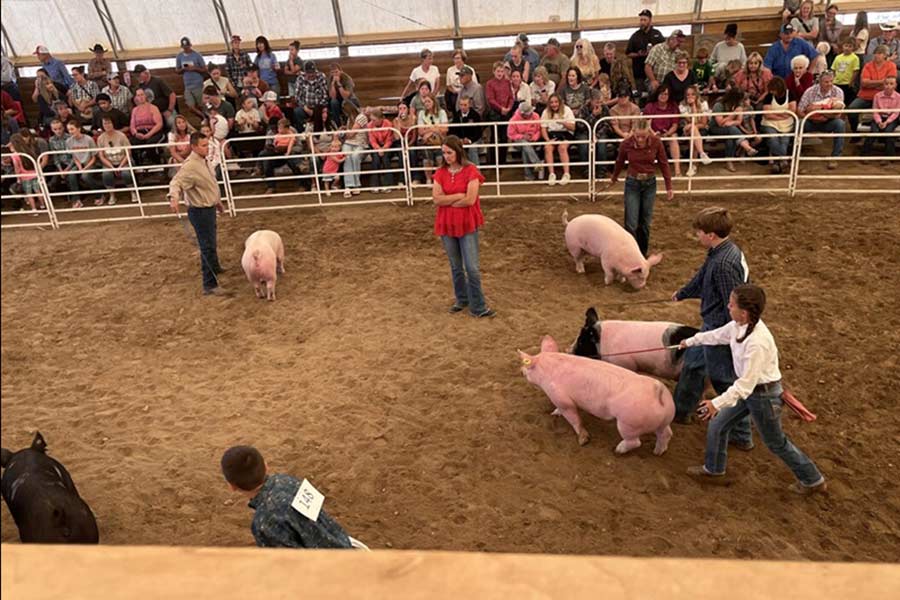
POCATELLO – Now that school is out, many kids throughout eastern Idaho will spend the summer getting an animal ready for the fair or market. The 4-H program is alive and well, and Bannock County’s program has seen a dramatic uptick in recent years.
Nikki Ennis, the county’s 4-H extension educator, tells EastIdahoNews.com that 250 kids are enrolled in 4-H this year. Swine projects are the most popular — there are 94 swine projects in 2026. Sheep and goat projects are a close second, with 56 total sheep projects and 58 goat projects.
Regarding why pigs are the most popular animal, Ennis says it could be that pigs are a little easier to raise than other animals.
When Ennis started in 2016, she says there were about 145 kids enrolled in Bannock County’s 4-H program. Since 2023, Ennis says there’s been a gradual uptick in overall participation every year.
She credits the increase to 4-H volunteers’ community outreach efforts.
“We’ve had some really good people working in the office. One way we recruit 4-H members is through outreach to the schools. We also have our 4-H camp that we put on every year. That’s one way kids get interested in what 4-H is and what we’re doing,” says Ennis.
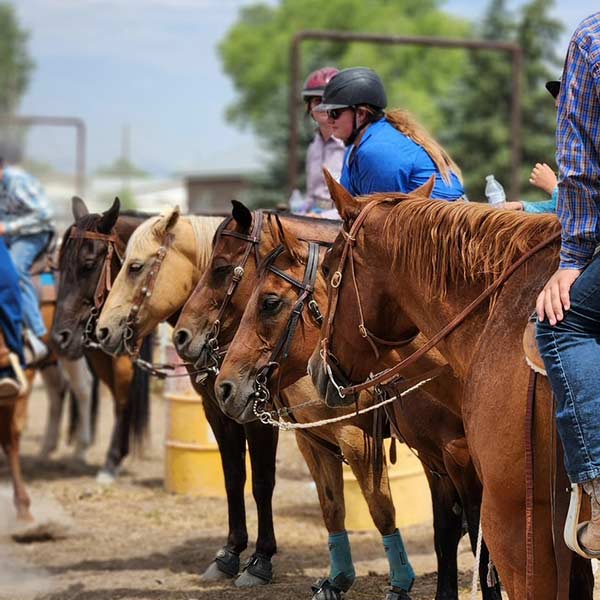
Other counties are seeing a similar trend. Jefferson County 4-H program assistant Sue Walker says around 600 kids are enrolled, as of Tuesday morning. She anticipates at least 20 more registrations in the next several days.
Walker started in this capacity in 1999. She says the upward trend started in 2020 during the COVID-19 pandemic. Since then, Jefferson County has become one of the fastest-growing counties in the state, and Walker says the uptick in participation is due to the influx of people.
Bonneville County historically has one of the largest 4-H programs in the region. Its 4-H educator, Paige Wray, says they’ve seen a steady decline in enrollment since 2022. A total of 616 kids were enrolled in 2022, compared to 459 in 2026.
“Although we’re trending down in membership, our projects and our offerings have gone up. This will be our second year running our pocket pet program, which is for kids who have fish, snakes, spiders (or other exotic animals),” Wray says. “We have a lot of exciting things and programs that are trending up.”
The completion of the new Bonneville County Fairgrounds in 2019 has allowed 4-H to expand and continue year-round. Local kids participate in a variety of clubs, ranging from sewing, cooking, arts and crafts, and guns and archery to robotics and others.
RELATED | New Bonneville County Fairgrounds ready to open, including Melaleuca 4-H Events Center
The 4-H organization is for kids between 8 and 18. Its nationwide beginnings date back to 1902 in Clark County, Ohio, according to the National 4-H Council. While it’s deeply rooted in agriculture and livestock, 4-H offers a variety of projects tailored to kids with other interests, including STEM, healthy living and creative arts. Today, the organization serves about 6 million youth in 90,000 clubs throughout the U.S.
In Idaho, it’s hard to say which county has the oldest 4-H program. The Spokesman-Review reported in 2004 that 4-H activities were present in Idaho by 1911 and were growing rapidly statewide by 1915.
Early on, it was called the Boys and Girls Club. The name 4-H comes from its motto, “head, heart, hands and health.” The Smith-Lever Act of 1914 created the Cooperative Extension Service, which provided a national structure and federal support for 4-H programs. The federal government officially adopted the name and four-leaf clover symbol in 1924.
The Bannock County 4-H program was established a short time after the Idaho Legislature adopted the Smith-Lever Act, according to the Idaho State Journal. As of 2026, Ennis says there are 20 4-H clubs in Bannock County.
Ennis grew up participating in 4-H and touts its value for youth. She says kids involved in 4-H projects acquire skills that they can take with them for the rest of their lives.
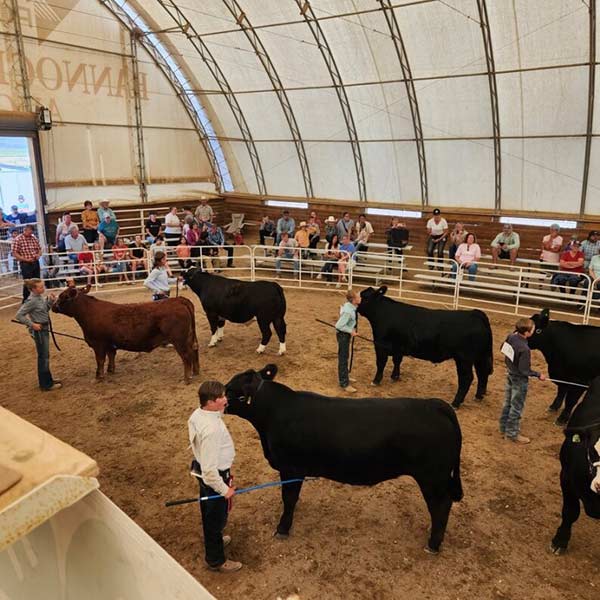
The uptick in enrollment has created a space shortage. Ennis says a new sheep barn was built in Downey last year. In 2016, there were only four steer projects, which fit in a small corner of the barn. Steers take up two barns today.
Additional pens are being set up outside this year to accommodate all the projects.
“We’re working right now on trying to get the funding together to build a new barn,” says Ennis. “It’s hopefully going to house most of the animals, but right now, we don’t have the space.”
Despite this, Ennis says she’s thrilled to see kids get involved and encourages those who’d like to participate to reach out. More volunteers are needed as well.
“We don’t want to discourage anyone from participating,” she says. “It’s a great program, and we’ll find a way to make it work.”
To learn more, call (208) 236-7312 or visit the website.
AG AT-A-GLANCE
Mini-Cassia producers use soil sensors to fine-tune irrigation
The following is an excerpt from an article sent to EastIdahoNews.com by the Idaho Soil & Water Conservation Commission.
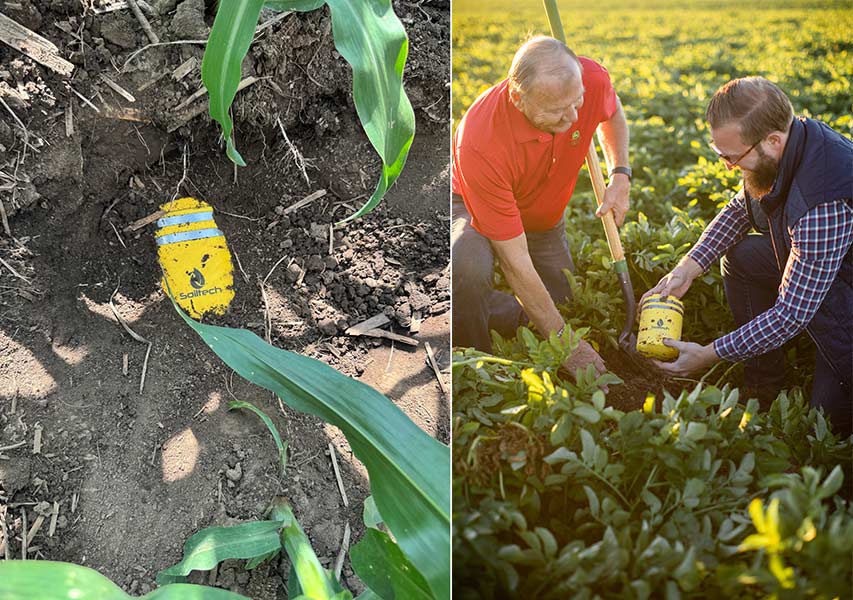
BURLEY – Producers in the Mini-Cassia region of Southern Idaho are finishing up the third year of a moisture monitoring project involving the use of Soiltech moisture sensors in crop fields.
The Soiltech moisture sensors provide real-time data on soil moisture, temperature, and humidity.
Several farmers in the East Cassia, Minidoka, and West Cassia Soil and Water Conservation Districts say they are receiving improved, real-time soil moisture information, which can help landowners be more precise in their irrigation use.
Read the full article here.
If you have a From the Field story idea, send it to rett@eastidahonews.com. Remember to use ‘From the Field’ in the subject line.