



As water crisis deepens, Idaho producers look to farm bill for relief
Published at
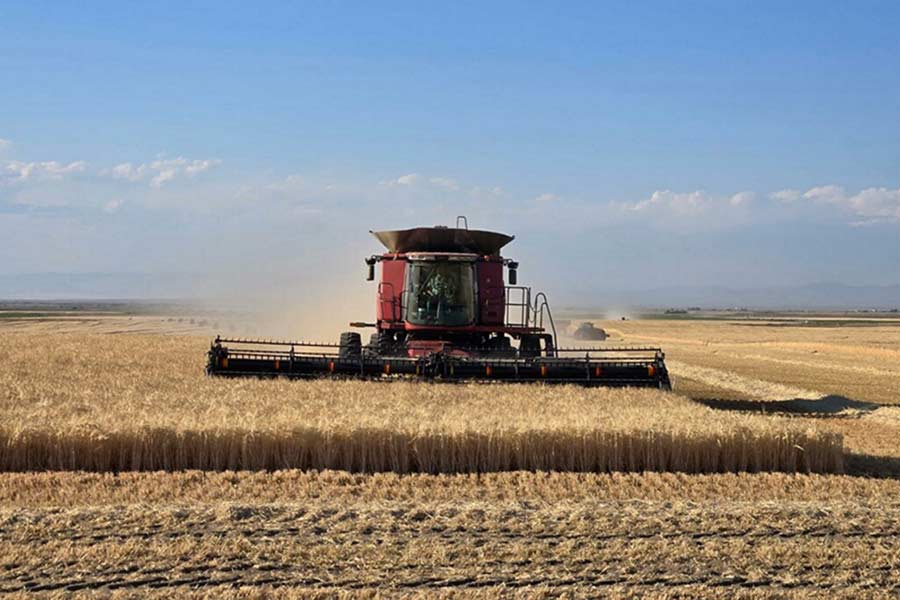
EDITOR’S NOTE: “From the Field” is a weekly newsletter bringing you the latest agriculture news in eastern Idaho.
IDAHO FALLS – As the federal farm bill advances to the U.S. Senate, farmers in eastern Idaho are dealing with one of the worst water shortages in decades and rising commodity prices.
The Farm, Food and National Security Act (HR 7567), which passed the U.S. House of Representatives in April with a vote of 224-200, is the latest iteration of the Agricultural Improvement Act of 2018. The 976-page document addresses many aspects of agriculture.
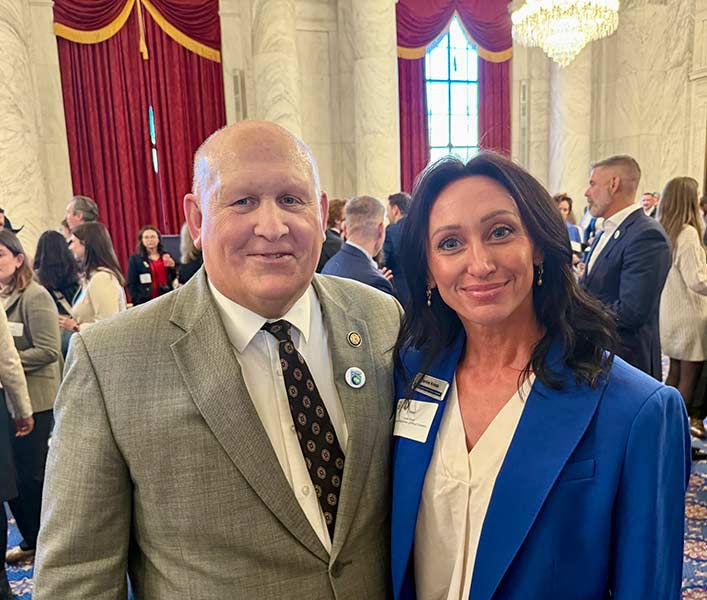
Jamie Kress, a dryland farmer from Rockland who serves as president of the National Association of Wheat Growers, tells EastIdahoNews.com many of the issues in the bill are intertwined, and that means that “all of it matters” and it’s essential to Idaho’s agricultural economy.
“It provides a tremendous amount of structure to our industry, and it’s all needed,” Kress says. “It’s a big bill, and it’s complicated, but there’s a reason it’s as significant as it is.”
While there isn’t anything in the bill that can help with Idaho’s current water situation, Kress says some parts of it can help address the high price of commodities. Title 1 provides a safety net against income volatility, weather disasters and market disruptions.
Although the bill expired in 2023, it has been extended each year for the past three years. The 2026 update reauthorizes funding for crop insurance programs, low-interest farm loans for land acquisition, or incentives for conservation.
Amid the current challenges, many farmers are facing difficult decisions and have an increased need for these resources. Justin Place farms more than 1,200 acres in Hamer. He says farmers who are unable to plant a crop due to the water shortage are applying for crop insurance to mitigate the loss.
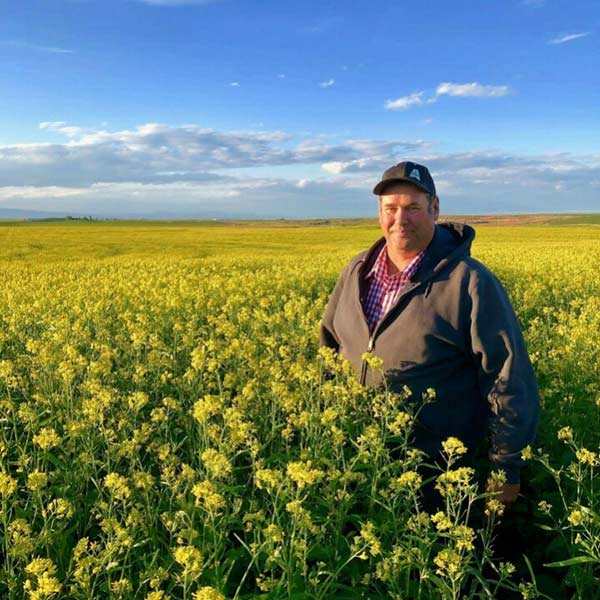
Though some adjustments were made in 2025 to decrease the disparity between production costs and commodity prices, Kress says the data used to create the 2018 bill is now more than 15 years old. The 2026 payments to farmers enrolled in safety net programs fall short because it doesn’t reflect current operating conditions.
“Even with those payments, most producers will still not break even,” says Kress. “It makes it doable to stay in business, but it is not a wealth builder.”
Place says that while relying on government handouts is not ideal, farmers need a place to turn to make things work during times of uncertainty.
“When you have low commodity prices, you need whatever can help things get along,” Place says.
Kress says another important aspect of the farm bill for Idaho is Title 3, which addresses trade. Idaho’s wheat market ranks in the top five nationwide. Kress says about 100 million bushels are grown annually in 42 of the state’s 44 counties. About half of its annual wheat crop is exported to the Philippines, South Korea, Japan, Taiwan, Thailand and other countries throughout the Pacific Rim. A lot of wheat is also shipped to Mexico.
Title 3 of the farm bill helps broaden the reach of global agriculture exports and promote innovation and economic growth within the industry.
“It’s very important when we look at trade to ensure that we continue having that flow of wheat leaving the state,” Kress says.
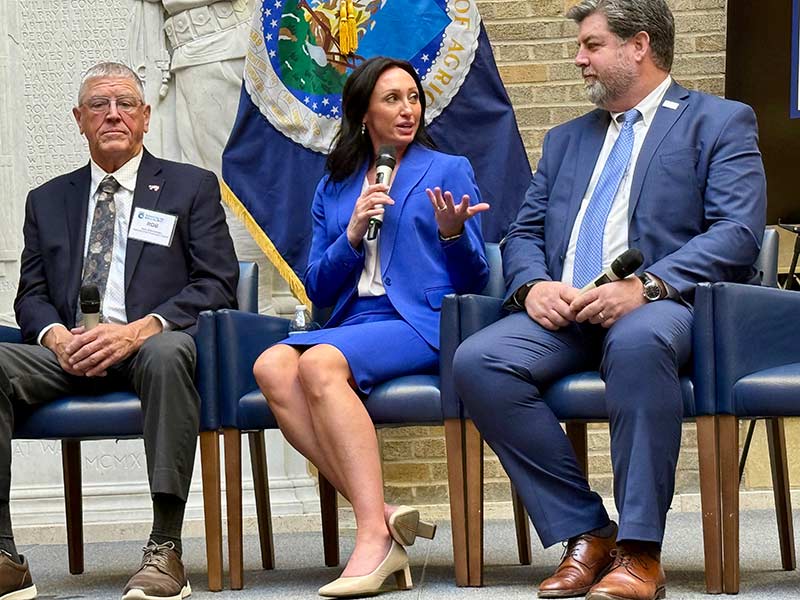
Agricultural diversity is one of the Gem State’s distinguishing features, and Kress says the farm bill helps to keep as many food producers in business as possible and sustain the population.
“It provides certainty in a very uncertain industry,” says Kress. “We’re always looking forward in agriculture … and not having something like the farm bill in place creates unease, and that’s difficult.”
Kress and Place are hoping Congress will pass the bill soon. Kress anticipates that HR 7567 will be referred to the Senate Agriculture Committee sometime after July 4.
AG AT-A-GLANCE
New University of Idaho program trains veterans for farming careers
The following is taken from a news release from the University of Idaho.
BOISE – University of Idaho Extension is launching a new incarnation of its Harvest Heroes program to prepare military veterans for careers in small-scale agriculture.
Extension is establishing a farm incubator for military veterans at Spaulding Ranch Park — a 20-acre, historic homestead owned and maintained by Boise Parks and Recreation. Participating veterans will work alongside Extension to grow a market garden, receiving regular hands-on instruction from experts, guest presenters and mentors.
The program will also offer flexible online training and monthly intensive workshops. Enrollment is free and ongoing for veterans and their families, who will have season-long access to an orchard, a beekeeping apiary, a weekly onsite farmers market and accessible gardens featuring adaptive gardening technology for those with disabilities.
Following a season of working together on the community plot, graduates will manage their own incubator plots to advance their farm business ideas with support and minimal risk.
Produce grown by the Harvest Heroes program will be shared among participants and distributed through organizations supporting food insecure veterans and community members.
To get involved or learn more, email harvestheroes@uidaho.edu.
If you have a From the Field story idea, send it to rett@eastidahonews.com. Remember to use ‘From the Field’ in the subject line.
IN CASE YOU MISSED IT…
- Eastern Idaho produced two U.S. agriculture chiefs, but Ezra Taft Benson was the most controversial
- East Idaho braces for first 90-degree day of the season
- What you need to know about the flesh-eating New World screwworm
- Idaho farmers abandon fields as worst water crisis in decades deepens
- Rigby FFA dominates state competition with five championships