



The Teton Dam disaster canceled a TV show and led its star to Rexburg for an unforgettable night
Published at | Updated at
EDITOR’S NOTE: This is the eighth in a series of stories highlighting the 50th anniversary of the Teton Dam Disaster.
REXBURG – Johnny Whitaker was supposed to be in Rexburg in June 1976 to film the first episode of a new television show. Instead, the Teton Dam collapsed, changing those plans — and leaving a lasting impression on the 16-year-old actor.
Just before noon on June 5, 1976, the Teton Dam — which sat about 15 miles northeast of Rexburg in Newdale — collapsed, spilling 80 billion gallons of water into east Idaho. The disaster made national news and impacted communities from Rexburg to Blackfoot.
Not only was the city of Rexburg buried under 5 feet of water, but 11 people and about 13,000 head of livestock were killed. Beyond that, about 3,000 homes and tens of thousands of acres of land were destroyed or heavily damaged.
Cleanup took months and cost over $2 billion — more than $11 billion in today’s dollars. The U.S. Bureau of Reclamation, the agency that built the dam, spent the next 11 years compensating those who were affected.
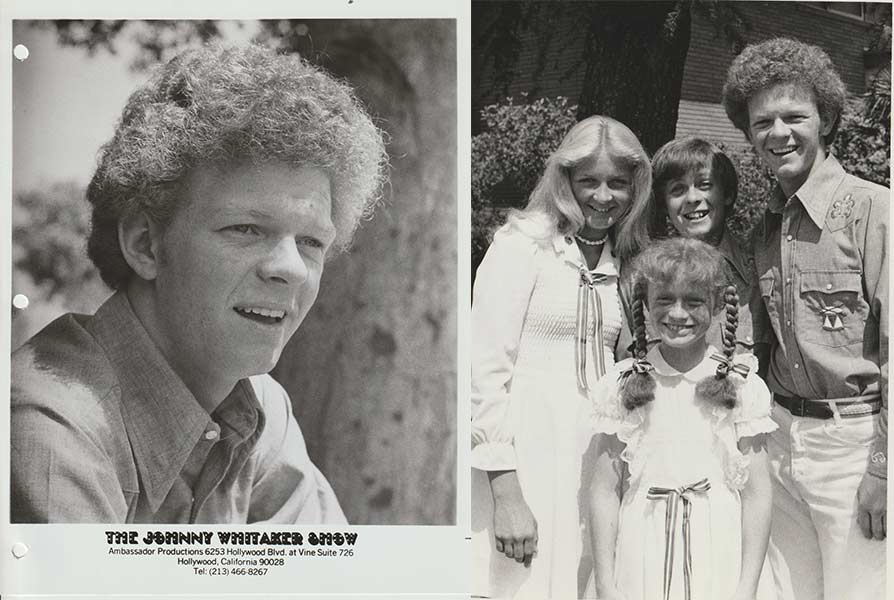
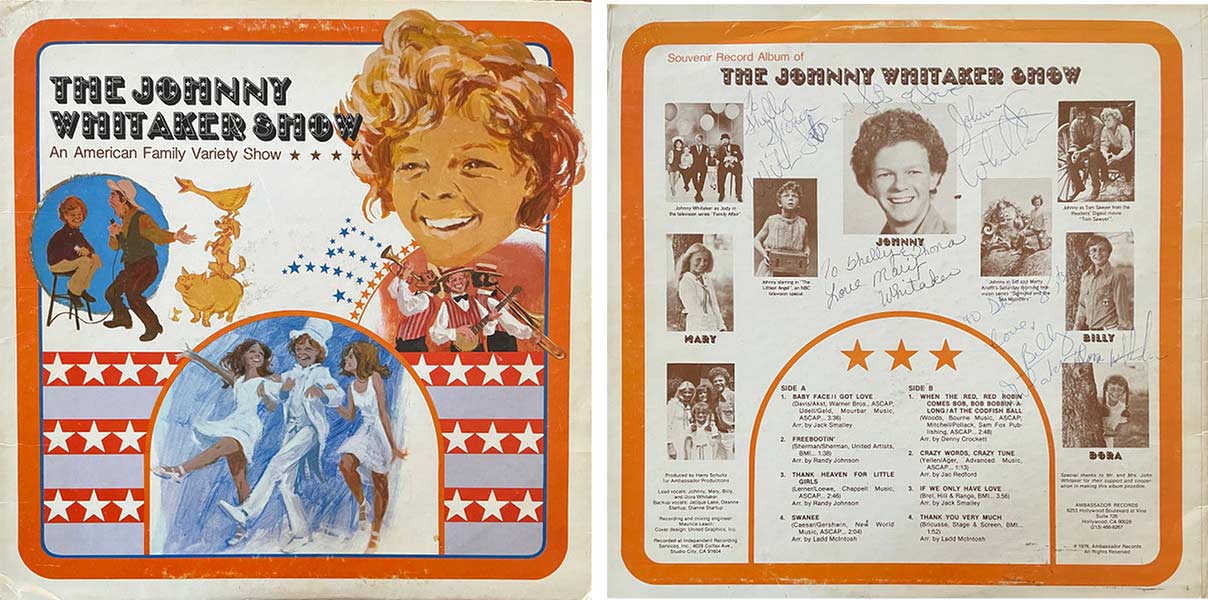
Whitaker — a child actor best known for his role as Jody Davis on “Family Affair,” a sitcom that ran on CBS from 1966 to 1971 — was about to begin production on a family variety show called “The Johnny Whitaker Show.”
EastIdahoNews.com spoke with Whitaker in May on an episode of “It’s Worth Mentioning.” During the conversation, Whitaker explained that the show would feature him and his siblings and the first episode was going to be filmed in Idaho.
RELATED | Childhood stardom and life after the spotlight with Johnny Whitaker
“Our first show was going to be in Rexburg. It was for America’s bicentennial,” Whitaker said. “My sister, Laurie Thompson, and her family, were living in Rexburg and so the first show that we did was going to be at Ricks College (now Brigham Young University-Idaho).”
A bicentennial committee had been planning a celebration in Rexburg for more than a year, which was eclipsed by the disaster.
As the Whitakers were making preparations for the TV shoot, he says they caught wind of the news and everything came to a halt.
The show they’d been planning to shoot never happened, but Johnny and his family ended up making a trip to Rexburg anyway.
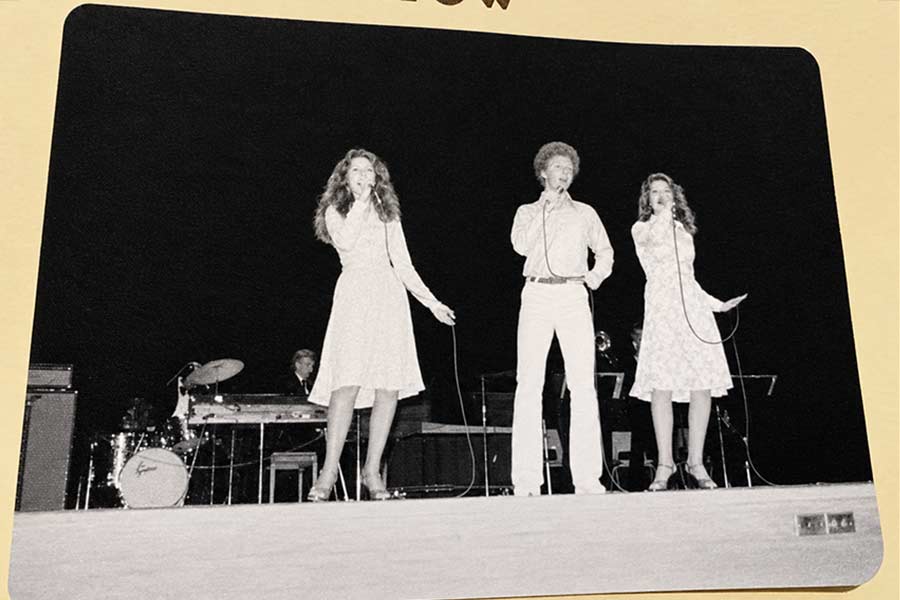
“We did our very first free concert there for all of the survivors right there in Rexburg,” Whitaker recalled.
Giving hope to flood-ravaged Rexburg
Ricks College quickly became a command center for the flood relief effort. Henry B. Eyring, then president of Ricks College, opened the campus to the community. Dormitories housed people who had lost their homes, while volunteers worked around the clock in the Manwaring Center to prepare meals for displaced families and the thousands of people helping with the cleanup.
But the devastation wasn’t only physical. Many people were struggling with the emotional toll of losing their homes and livelihoods, and church leaders worked with campus administrators to make counseling available. In an oral history interview conducted the following year, Jay Risenmay, who was working as a counselor at Ricks College, recalled meeting with dozens of people dealing with the trauma of the disaster.
“The church leaders asked us to organize a recreational program,” Risenmay said. “They brought in some entertainment and brought in ‘The Johnny Whitaker Show.’ They donated and came in and performed for the flood victims.”
The live performance of “The Johnny Whitaker Show” in Rexburg was scheduled for June 24, 1976, according to a daily log of the relief efforts.
Harry Schultz, the show’s producer, says the Rexburg concert was just one stop on a summer tour through the western United States. The group was scheduled to begin its tour in Idaho Falls shortly after the Teton Dam collapsed, but the disaster changed their plans.
When the college asked the group to come to Rexburg and perform for flood victims, they agreed — and offered to do it free of charge. The show was held inside the Hart Auditorium, giving residents a chance to escape the devastation — if only for an evening.
Getting into Rexburg was another story. Schultz says the cast and crew were escorted by military vehicles, giving them a firsthand look at the destruction left behind by the flood.
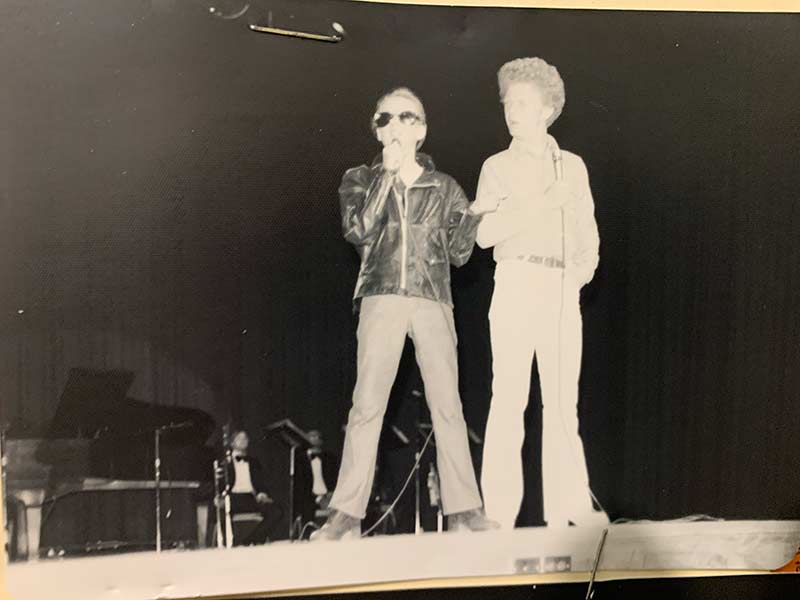
Locals filled the Hart Auditorium for an evening of musical numbers, comedy sketches and magic. Among the performers was Denny Crockett, who later became a background musician and music director for the Osmond family. Kurt Bestor, now a well-known Utah composer, was part of the band, while Glenn Jaspering was one of two comedians on the tour.
Schultz recalls a line Jaspering delivered in his act that made him cringe because he thought it would be insensitive to those in attendance.
“He said, ‘This place is a mess!’ I was so petrified when he made that joke, but the audience loved it,” says Schultz. “They needed that kind of laugh (to deal with) a tragic situation.”
Johnny’s younger brother, Billy — best known for voicing Skippy the rabbit in Walt Disney’s animated film “Robin Hood” — was 12 years old at the time. He says he remembers having a lot of fun doing a magic act on stage.
“Harry Schultz had a magician come out and teach me how to do some tricks. We bought some special (props to make it happen) and I thought it was really cool,” Bill says. “I remember talking to people after the show and they asked, ‘How did you do that?’ It was fun.”
One of the things Bill remembers most about the trip to Rexburg is the homes that were destroyed and the smell of the mud as a result of the flood.
“There was a horrible smell because of all the mud and sewer lines were overfilled,” says Bill. “I can never forget the sights and smells.”
Schultz also recalls the devastation and the busloads of people who came in to help with the cleanup.
At least 20,000 people attended the Rexburg performance, according to Bill.
“We had people come up to us after the performance who were in tears. They said ‘Thank you so much. Our family lost everything and having this one night of entertainment (really lifted our spirits),'” Bill says.
‘It was perfect timing’
After the stop in Rexburg, “The Johnny Whitaker Show” continued touring throughout Idaho, including a performance in Idaho Falls, Utah, Arizona, Oregon and California. Schultz says the tour was not intended to be short-lived, but audiences gradually lost interest in that style of entertainment, bringing it to an end after one summer.
The tour also marked the end of the siblings’ time in show business together. It’s unclear whether they’ve been back to Rexburg since then, but Johnny told us in May that his family still has ties to eastern Idaho through their mother, who grew up in a small community near Preston.
Three years after the flood, Schultz joined the Ricks College staff and formed a student performance group called The Showtime Company. It eventually became an international touring ensemble, similar to BYU’s Young Ambassadors.
Bill says he hasn’t thought about that summer for many years, but it remains “a huge highlight of my childhood.”
Fifty years later, Schultz says the most important thing that came out of the 1976 tour was the joy it brought to a community recovering from disaster. Although it didn’t last beyond the summer, he says it came at exactly the right moment.
“We were at the right place, at the right moment, for the right purpose,” he says. “Johnny was so famous. People grew up with him and (the show) really helped (people in Rexburg) feel like somebody cared about them.”
WATCH OUR INTERVIEW WITH JOHNNY IN THE VIDEO ABOVE. The story of his experience in Rexburg is about 23 minutes in.