



Why midsummer pruning ensures healthy regrowth and better results
Published at
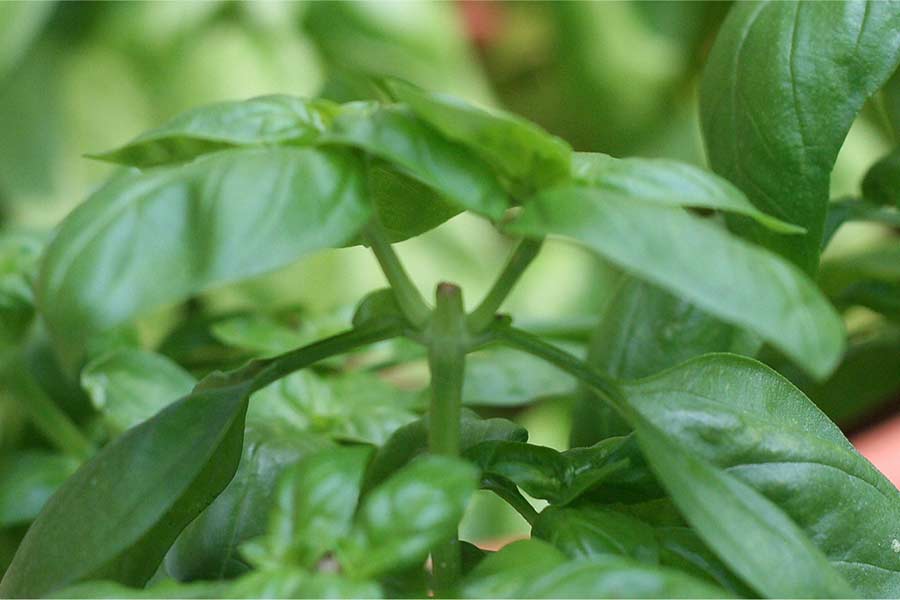
Pruning flower and vegetable gardens in midsummer improves overall plant health and vigor. Maintenance pruning reduces disease pressure, increases airflow, and prolongs blooming. This not only improves harvests, but also increase the visual aesthetic. The proper pruning technique depends on the plant’s growth habit and life cycle. Understanding this helps ensure healthy regrowth and better results.
Disease and pest considerations
When pruning, always remove the Four Ds’: dead, dying, damaged, and diseased material. Removing these during the growing season will help minimize the spread of infection and pests while also helping you stay in tune with your plants’ health.
Pinching
Pinching is a pruning technique that removes the terminal bud or the tip of the vegetative shoot. This can be done with fingers since the stems are soft and fleshy. New lateral stems will grow because the main stem was pinched back. This can be done to produce more flowers and produce a bushier plant. Pinching will help keep some plants from getting to tall and spindly and maintain a compact form. Timing pinches on plants can allow for the staggering of bloom times and provide a constant bloom.
- Annuals to pinch: french marigolds, annual phlox, trailing verbena
- Perennials to pinch: bellflower, bee-balm, and black eyed susan.
Deadheading
Deadheading is the practice of removing spent or old flowers to encourage new flower growth. Plants allowed to set seed drain energy from the plants usually resulting in less flowers and decreased growth. Annual flowers will produce many flowers throughout the growing season without much maintenance while perennial plants may only flower for two to three weeks if not deadheaded. If both annual and perennials are deadheaded regularly it will stimulate flower production and extend the flowering season. It is important to note that not all perennials will rebloom or have a prolonged bloom time when deadheaded. Researching your plants will help you get a better understanding of their bloom times.
- Annuals to deadhead: calendula, dahlias, pansy, petunias, and zinnia.
- Perennials to deadhead: butterfly bush, butterfly weed, coneflowers, bellflowers, and beebalm.
Cutting back
Cutting back is the pruning technique to remove old spent flowers and stems. When it is done after flowering it promotes fresh regrowth and opens the potential for reblooming later in the season.
Perennials that benefit from cutting back: lady’s mantle, columbine, dianthus, and catmint.
Herbs
Summer pruning helps keep herbs stay compact, flavorful and productive. Pinching or snipping herbs regularly creates a bushier plant that will produce more foliage and keep your perennials herbs from becoming too woody. When herbs are allowed to flower (or bolt) they will put energy towards making seeds reducing the overall plant growth and can reduce the flavor of the herbs. If you see a flower head forming pinch it off or prune with scissors to signal to the plant to produce more leafy growth.
- Basil: regularly remove flower buds and harvest leaves to keep the plant bushy
- Mint, oregano, thyme: cut back by half if leggy or flowering
- Chives, parsley: trim close to the base for tender regrowth
Vegetables
Light pruning of to improve airflow, reduces pest and disease pressure, and direct energy into fruit production. Pruning dead and diseased plant parts will help improve the overall vigor of plants and keep the disease or pests from spreading. Especially consider plants that are touching. Removing yellowing, diseased, and damaged leaves will help the plant focus on new growth instead of trying to maintain leaves already dying. It is normal to have a few dead leaves throughout a plant but if it is more than a quarter of the overall plant there may be another issue occurring.
How much is too much
For most summer pruning, remove no more than one-third of the plant at a time. Over-pruning can stress plants, reduce flowering, expose them to sunburn or even kill the plants. Focus on light shaping and targeted cuts rather than heavy reductions.
Tips for pruning
It is a good habit to sanitize your tools between plants especially if you are pruning diseased branches of leaves off of plants. Make sure plants are watered either the day before or several hours before pruning to ensure there is reduced moisture stress. Pruning should be pruned in either the early morning or evening to avoid the hottest part of the day to prevent additional heat stress on your plants. Mulch is a great option after pruning to help retain moisture.
Midsummer pruning is not about major pruning it is more about light shaping to revive blooms and refresh the plant. Light thoughtful cuts now set the shape for strong blooms, healthy growth, and a thriving garden into fall and onward.