Idaho Falls Power celebrates completion of new Peaking Plant and 125 years of service
Published at | Updated at
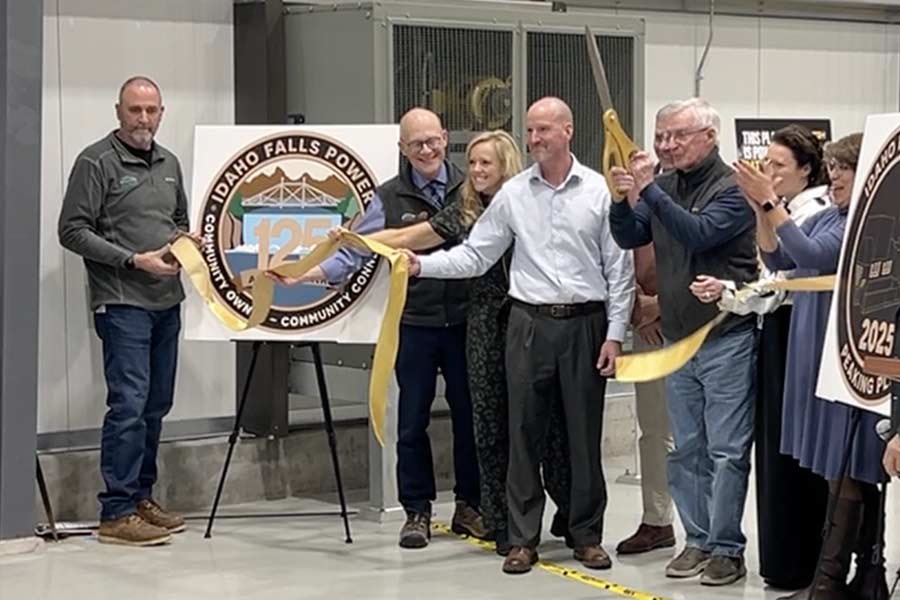
IDAHO FALLS – Idaho Falls Power, dignitaries and members of the community gathered Thursday morning to celebrate the completion of the utility company’s new Peaking Plant. The company is also celebrating its 125th anniversary.
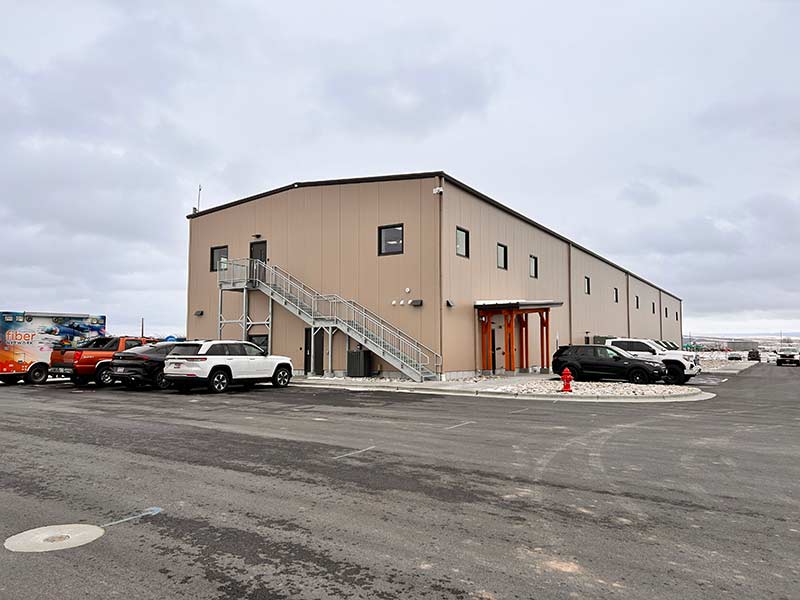
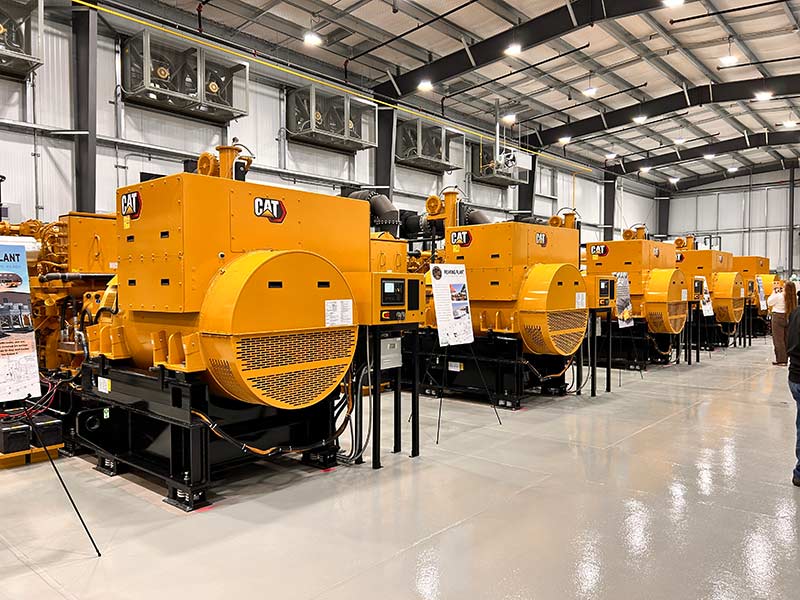
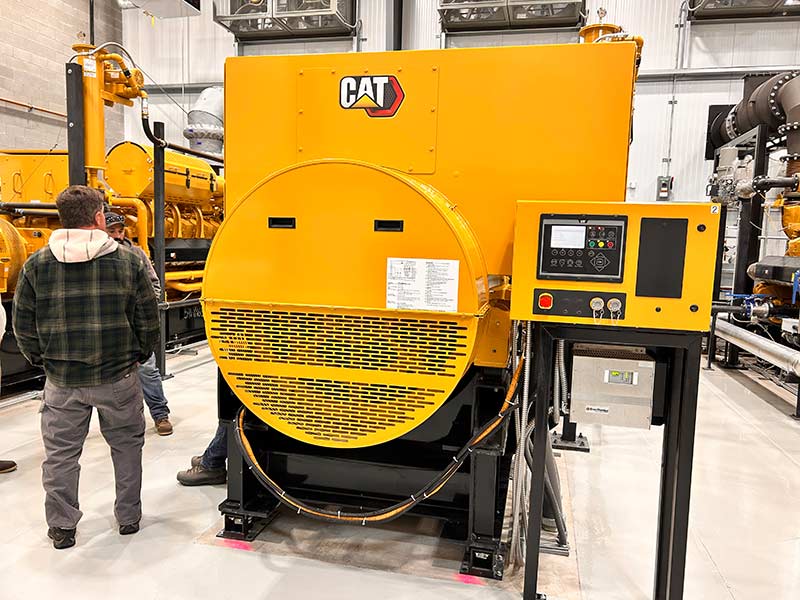
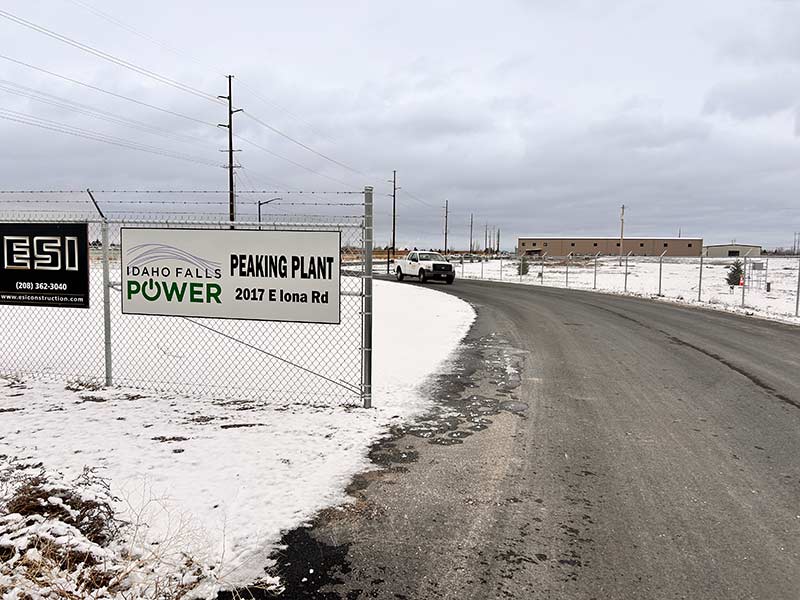
The power plant, located at 2017 East Iona Road, is housed in a 14,600-square-foot building on a 136-acre parcel. It has seven generators, which can collectively provide 17.5 megawatts of power — enough energy to power about 13,000 homes.
The plant is designed to meet peak demand for electricity during times when the power grid is under stress. It achieves this by generating its own energy, rather than purchasing excess power from other utilities.
During the open house and ribbon-cutting ceremony, project manager Alan Cunningham referenced a quote from IFP’s interim General Manager Stephen Boorman to explain the plant’s benefits to the city.
“You can choose two of the following: faster, cheaper, better. You can only choose two of them because you can’t get all three,” Cunningham said. “As we look at this plant and how it was constructed, I believe … we did achieve all three.”
Bear Prairie, who stepped down in July as IFP’s general manager, also spoke at Thursday’s celebration. He had the idea for the Peaking Plant in 2019.
RELATED | Idaho Falls Power general manager resigns for new job in utility industry
During a conversation with EastIdahoNews.com, he explained that Idaho Falls is leading the way on this concept because it’s one of the only cities in the Pacific Northwest to have a facility like this.
“People are realizing it’s a good, practical solution (for energy shortages),” Prairie says.
Prairie went into more detail about Cunningham’s statement and explained why the peaking plant is a win for the city.
In 2019, an influx of people to the area put a strain on the power grid. During the winter and summer months, there were power shortfalls at certain times of day.
Additionally, there was increasing volatility in open-market energy prices, which raised concerns about costs.
Prairie says having the infrastructure in place for peak power generation helps keep costs low. It also allows the city to use its resources more effectively and continue to provide reliable power at critical times.
“It gets 25, 30 below here (during the winter). Electricity is not an option. We need to make sure that we have it (and that it’s reliable),” Prairie told Thursday’s crowd.
RELATED | Idaho Falls Power breaks ground on peaking plant, research park
The city broke ground on the peaking plant in August 2024. There were multiple reasons this particular site was selected. One of the biggest reasons is that it’s connected to the property where IFP built its transmission line for the new Paine substation in 2022.
RELATED | Idaho Falls Power celebrates completion of new substation and transmission line
Additionally, Prairie says it was already zoned for industrial use and had room for future growth. The Peaking Plant sits on 10 acres, but the surrounding 126 acres is reserved for expansion.
Mayor Rebecca Casper and the Idaho Falls City Council played a significant role in approving IFP’s efforts to secure the land and the funding for the $36 million project.
Casper, who is in the final weeks of her third term in office, held back tears during her remarks as she saluted council members and other city employees for their efforts in this capacity.
This is one of the last major projects for the city under her leadership. When asked why this is such an emotional occasion for her, Casper started to cry as she spoke of the dedicated people who live in and work for the city.
“You can’t help but look at a room filled with people who are that committed and not feel privileged to be (among them),” Casper says. “I’m proud of them, and I’m proud to be associated with them.”
A 125-year legacy of power generation
The 125th anniversary of Idaho Falls Power was another reason for the gathering on Thursday.
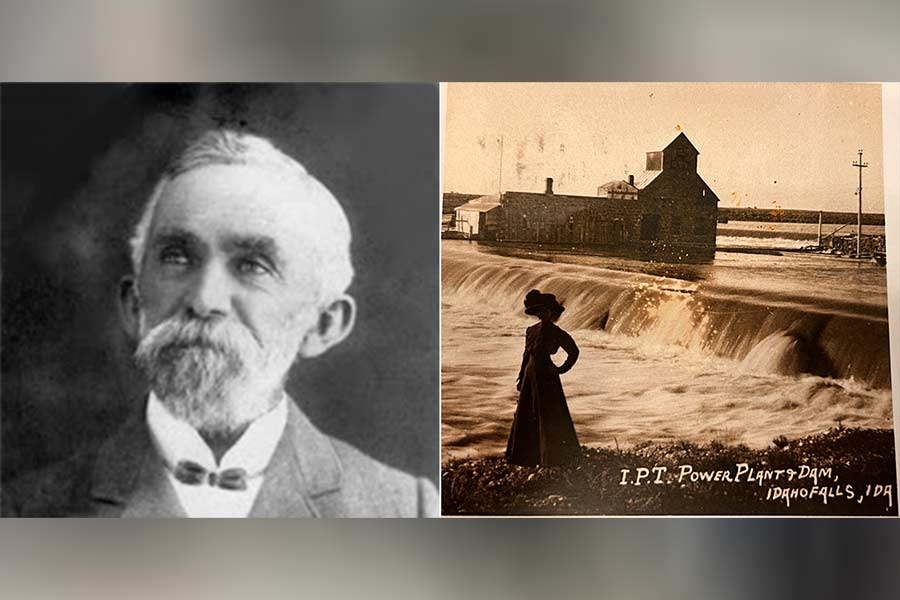
The city became the first in the state to own its own power plant in 1900. Joseph Clark, an electrical engineer who was serving as mayor at the time, was instrumental in its creation.
“He (Clark) went to the East Coast and saw that some cities were starting to add electrification (in place) of gas or oil street lamps. He thought, we have (this capability). There are canals and some areas where there’s a drop in elevation. Why don’t we install our own hydro-turbine?”
The first power plant was built along a diversion canal that stretched from the Snake River above Idaho Falls to 10th Street and Boulevard, according to historical records. It became operational on October 22, 1900, and was initially used to power streetlights.
Two years later, the city began selling power to residents and business owners.
Years later, Clark’s son, Barzilla Clark, who also served as mayor and later governor, was instrumental in the construction of the hydroelectric dam on the waterfall in downtown — the city’s most distinguishing feature.
More than a century later, Prairie says Idaho Falls Power continues to build on that early vision by harnessing the Snake River to provide customers “the lowest rates and the best reliability in the nation.”
“I think it’s very apropos to have the 125th anniversary landing at the same time we’re opening a new generation facility,” Prairie says. “It pays homage to that legacy of being forward thinking and taking care of the community that started with that first canal hydro project in 1900.”