



Trustees urge legislators to act on youth vaping epidemic
Published at | Updated at
Sean Dolan, IdahoEdNews.org
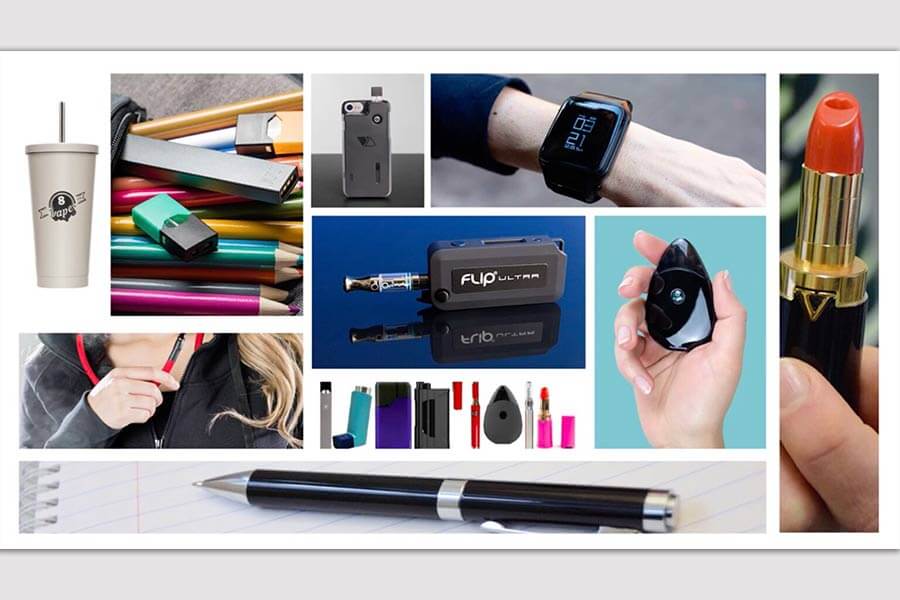
BOISE (IdahoEdNews.org) — Hundreds of school trustees want the Idaho Legislature to tax nicotine vapes and pouches as if they are tobacco products, and allow schools to use some of that revenue for health education.
The Idaho statute establishing the cigarette and tobacco tax was written in 1974 and does not mention vapes. An Idaho School Boards Association resolution passed last month with overwhelming support from trustees urges legislators to modernize that law and update the definition of tobacco products.
Blaine County School District introduced the resolution. Superintendent Jim Foudy said vaping is widespread among students. A recent survey conducted at Wood River High School found 12% of students used a vape in the past month.
RELATED | ‘Nic Sick’ documentary raises alarm about dangers of youth vaping
Vapes and e-cigarettes have been the most commonly used nicotine delivery system among youth since 2014, overtaking cigarettes, according to the Centers for Disease Control and Prevention.
The resolution has two pieces:
- Add vapes and pouches to the definition of tobacco products and apply the tobacco tax.
- Send some of that revenue to public schools for vape education and to hire mental health counselors and school resources officers.
The resolution seemed timely, Foudy said, as Idaho faces a revenue shortfall.
“It would certainly benefit the state of Idaho if the Legislature and the governor are willing to approve the tax on all nicotine,” he said.
Under state law, Idaho collects 57 cents for each pack of 20 cigarettes and sends $3.3 million of that revenue to public schools for safety improvements and substance abuse prevention programs through the Safe and Drug Free Schools program.
Updating the definition of tobacco products to include vapes and pouches would be consistent with the original intent of the tobacco tax, according to the ISBA resolution.
ISBA Deputy Director Quinn Perry said her team is “certainly going to take a stab at this one” in the upcoming legislative session, which begins Jan. 12.
“This would be an additional revenue source to public schools by adding these areas, and we just feel a significant responsibility of making sure that we’re identifying those sources,” Perry said.
Whether or not that would count as a new tax is a question of semantics, she said, noting that legislators don’t like “new taxes.”
“It just seems like a no-brainer to add these, especially knowing the dangers that they’re causing on students,” Perry said. “I hear routinely that school districts are disciplining even elementary aged kids for using vapes at school.”
Youth vaping is an epidemic, according to Jennie Sue Weltner, an Idaho Public Television executive producer who manages the “Know Vape” campaign.
Using money from the Idaho Millennium Fund — a settlement from tobacco companies for marketing to kids — she helped produce the documentary, “Nic Sick: The Dangers of Youth Vaping.”
It’s a story told by kids who started using vapes as early as 9 years old, corroborated by adult experts in health, law and counseling. Some of the students say they kept a vape under their pillow to use through the night. The project found one-in-three kids in Idaho have tried vapes and one-in-five are currently vaping.
“People would be blown away by the number of kids who are vaping,” Weltner said.
While working on the project, she said it was very easy to become furious at the situation. Health experts had made so much progress to reduce teen cigarette use, but then vape companies started marketing to kids.
“Yes, it is an epidemic,” Weltner said. “Kids are suffering and struggling with it, and so are teachers, and so are communities, and so are parents.”
At a time when youth mental healthcare is in such high demand, she said it’s much easier for kids to get their hands on a vape than it is to see a counselor. Street dealers, called “plugs,” can deliver a vape in five minutes, while it can take five months to get mental healthcare.
There are three pieces of the puzzle when it comes to reducing vape use, she said. Health experts at the grassroots level are working on prevention, cessation and intervention. Meanwhile, Idaho Public Television is working on the awareness piece.
“We’re going over the state with bombers saying, ‘Hey, this is a problem. This is this is an emergency. You need to be aware what this stuff is doing to your body and your kids bodies,'” Weltner said.
But the missing piece is policy. Perhaps the ISBA resolution could sway legislators to act in 2026.
“I’m really excited and encouraged to hear that that might be happening,” Weltner said.
Originally posted on IdahoEdNews.org on December 7, 2025