



Changes to Idaho SNAP food program coming in 2026
Published at | Updated at
Laura Guido, Idaho Capital Sun
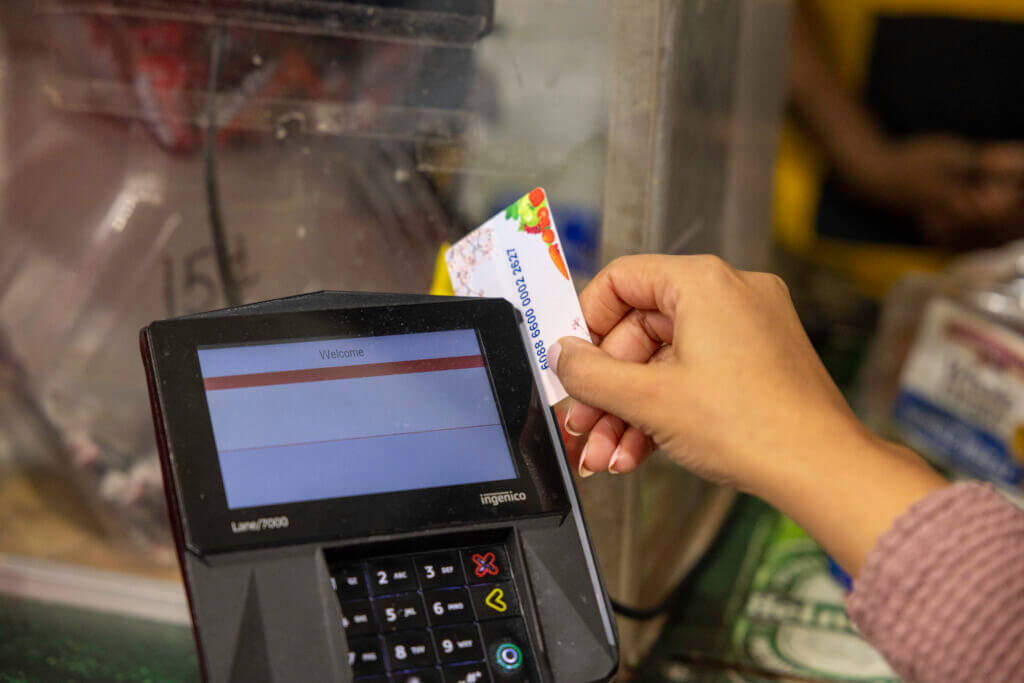
BOISE (Idaho Capital Sun) — State and federal changes to food benefits through the Supplemental Nutrition Assistance Program, or SNAP, are expected to start affecting Idahoans in 2026.
The Idaho Legislature in 2025 approved restrictions on candy and soda purchases through the program, and the U.S. Congress approved an expansion of work requirements for able-bodied adults without dependents on the program through the sweeping tax and spending package, called the “One Big Beautiful Bill Act.”
RELATED | Idaho begins distributing partial SNAP benefits, awaits further federal guidance
RELATED | As SNAP benefits stall, these organizations and businesses are filling the void
The federal bill also removed SNAP eligibility for refugees who don’t yet have a green card; this change was implemented immediately upon its passage in July.
There are 124,714 Idahoans receiving food assistance through SNAP as of Dec. 12. The average recipient gets around $182 monthly per beneficiary to use for groceries.
SNAP benefits are paid for by the federal government and administered by the state. Starting in fiscal year 2028, states will for the first time in the program’s history be required to pay for some of the benefits, as well as an increased share of the administrative costs. Idaho’s expenditure on the program is expected to increase by $6 million annually, the Idaho Capital Sun previously reported.
Candy and soda ban to take place in early in the new year
SNAP recipients won’t be able to purchase candy or soda with program funds starting Feb. 15, according to the Idaho Department of Health and Welfare. Program payments are made through an “Electronic Benefits Transfer,” or EBT card, which can be used like a debit card at the grocery store for eligible purchases.
Amid hearings for the candy and soda SNAP bill in the 2025 legislative session, retailers largely opposed it because of the broad definitions, which included:
- “‘Candy’ means a preparation of sugar, honey, or other natural or artificial sweeteners in combination with chocolate, fruits, nuts, or other ingredients or flavorings in the form of bars, drops, or pieces.”
- “‘Candy’ shall not include any preparation containing flour and shall require no refrigeration.”
- “‘Soda’ means any nonalcoholic beverage that contains natural or artificial sweeteners.”
- “’Soda’ does not include any beverages that contain milk or milk substitutes, that are greater than 50% vegetable juice or fruit juice by volume, or that require preparation before consumption, such as powders or concentrates.”
To enact the changes to the food program, the Idaho Department of Health and Welfare had to receive permission from federal authorities through a waiver.
U.S. Secretary of Agriculture Brooke Rollins and Health and Human Services Secretary Robert F. Kennedy Jr. signed three similar waivers in June, approving the candy soda restrictions for Idaho, Utah and Arkansas.
Updated SNAP work requirements, delayed by government shutdown, to begin in April
Changes made in the federal “Big Beautiful Bill” to work requirements for some SNAP beneficiaries were supposed to be implemented in November. However, disruptions caused by the federal government shutdown delayed implementation.Idaho Health and Welfare spokesman AJ McWhorter told the Idaho Capital Sun on Dec. 22 the agency was on track to make the changes in April. He said the agency intended “to absorb the changes with no request for additional staff or funding.”
The changes will mean more people will be subject to work requirements to receive benefits.
For able-bodied adults without dependents, there are additional work requirements to be able to use SNAP for more than three months within three years.
To receive benefits for more than the time limit, these beneficiaries must work or volunteer at least 80 hours a month, participate in a work program at least 80 hours a month, participate in a combination of work and work program for a total of at least 80 hours a month, or participate in public “workfare” for assigned number of hours a month.
Prior to the passage of the Big Beautiful Bill, there were exemptions from this time limit for veterans, people experiencing homelessness, young people aging out of foster care, parents with children under 18, and people aged 54 and older — meaning they could continue to receive SNAP assistance for more than three months even if they weren’t working.
The changes to these exemptions mean the following able-bodied adults will be subject to work requirements:
- Removal of exemptions for veterans, those experiencing homelessness and youth aging out of foster care
- Narrowed exception for parents with responsibility of children under 18 years old, to those of children under age 14
- Increase of the upper age limit for the exception from 54 to 64 years old
The bill also added time-limit exemptions for Native Americans, Alaska Natives, and tribal members.
For states to waive the work requirements, they must now show an unemployment rate over 10%, with exceptions for Alaska and Hawaii. The prior waiver allowed states to identify areas that lack sufficient jobs.
Idaho Capital Sun is part of States Newsroom, a nonprofit news network supported by grants and a coalition of donors as a 501c(3) public charity. Idaho Capital Sun maintains editorial independence. Contact Editor Christina Lords for questions: info@idahocapitalsun.com.