



Bird-watching is still top-notch at the Camas wildlife reserve
Published at | Updated at
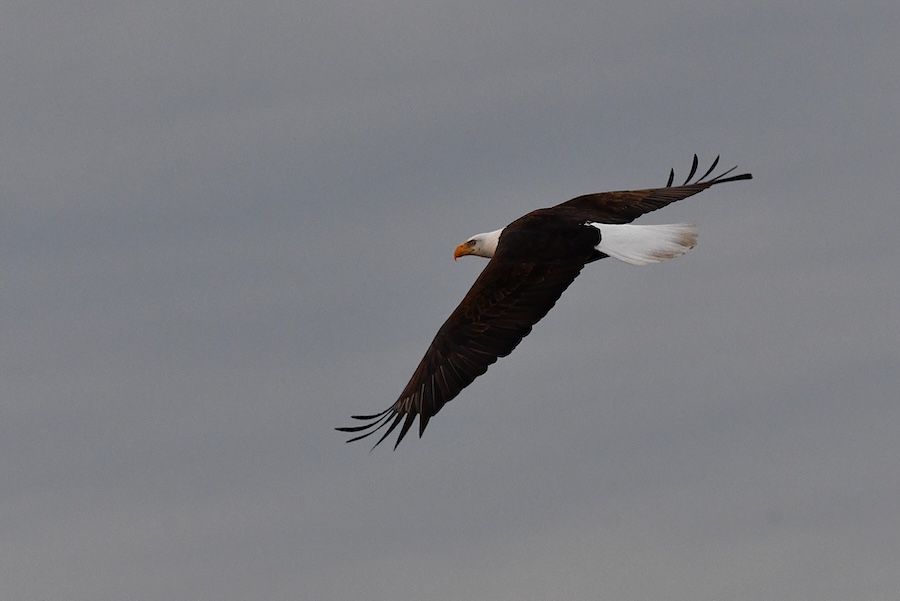
HAMER — I spent last Saturday afternoon watching and photographing wildlife along the Egin-Hamer Road, in Fremont and Jefferson counties, and the agricultural lands north of Hamer.
I timed my travels to end at Camas National Wildlife Refuge so I could watch the bald eagles fly into roost for the night. Eight eagles flew in before I left for home.
That number is way down, as usually there are 30 to 70 eagles roost nightly at this time of the year.
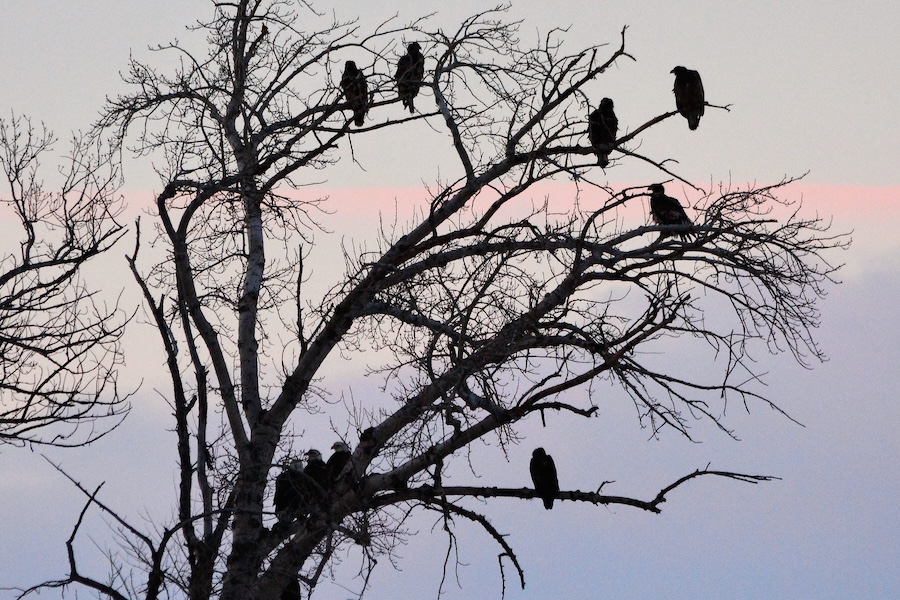
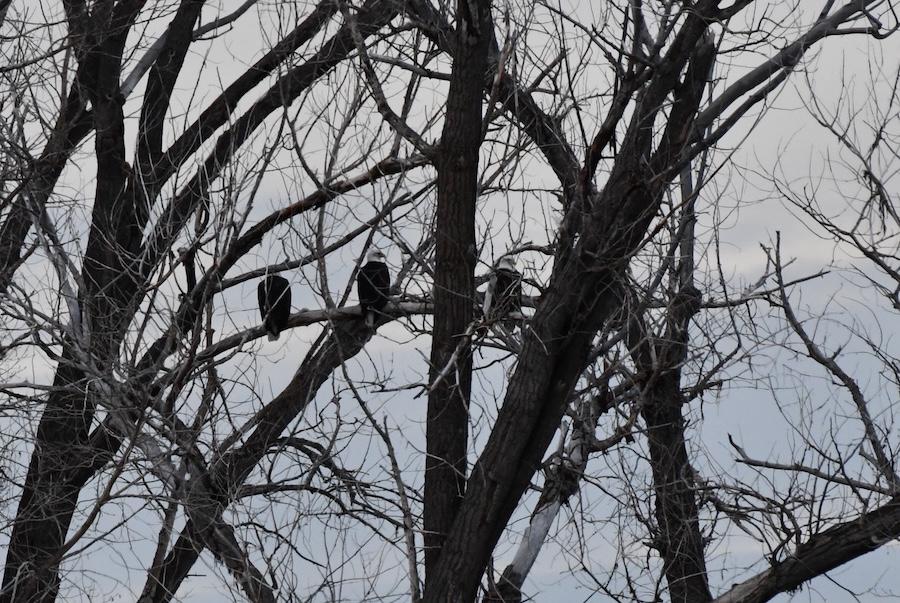
For some reason, the old cottonwoods along the northern part of the refuge have attracted these birds during the coldest part of winter. For years, this roosting has attracted visitors to come and observe them flying in from as far as 70 miles away.
You can also watch the majestic birds come into roost next weekend, thanks to the Friends of Camas National Wildlife Refuge.
On Feb. 21, from 5 p.m. to 6:30 p.m., the organization will host its annual Come to Roost event. It’s a “free, family-friendly event, which will allow visitors the unique opportunity to watch bald eagles fly into roost as the sun sets over the refuge,” according to a press release.
“Guests can enjoy complimentary hot drinks and light refreshments. Spotting scopes will be set up for guests to get a closer look at the eagles,” the release continues.
The event will take place at Refuge Headquarters, 2150 E. 2350 North in Homer, and is “the perfect way to experience the beauty and diversity of Camas NWR while learning about the importance of one of the amazing birds who depend on it,” organizers say.
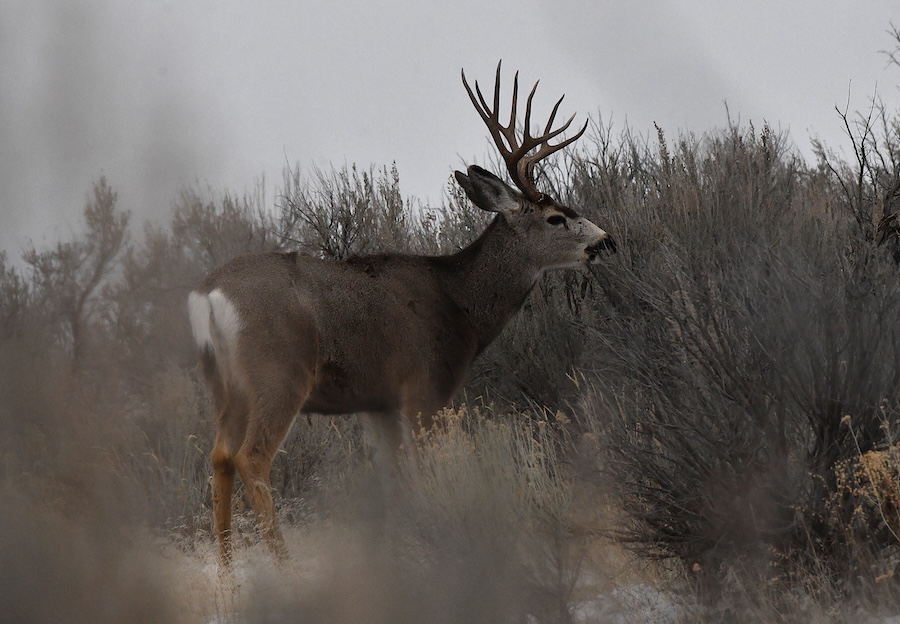
Prior to bird-watching on the refuge Saturday, I saw about 30 mule deer along the Egin-Hamer Road. They appeared to be feeding on some potatoes that had been left along the side of the road. It appeared most of the bucks still had their antlers.
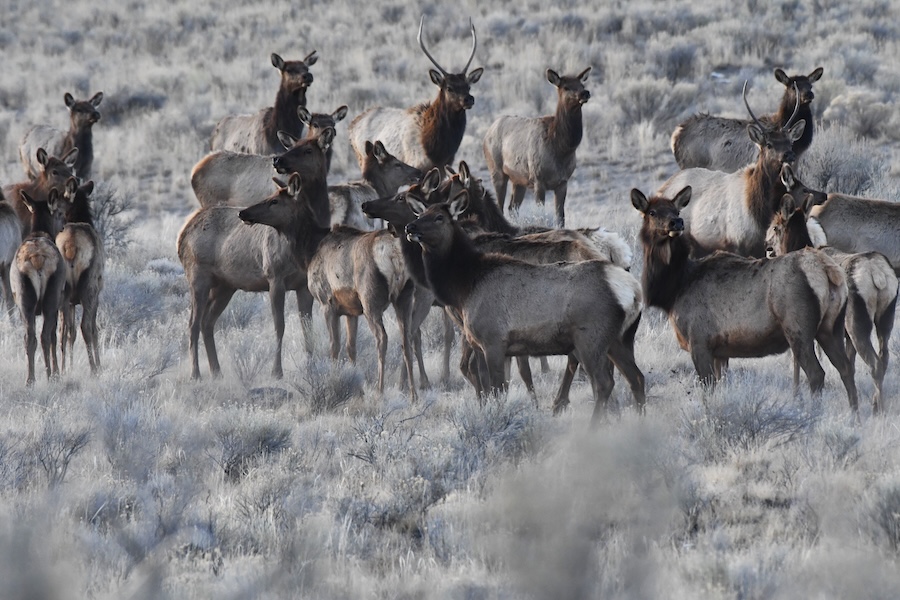
Then, while traveling along the roads west of the sand dunes, I observed four herds of elk feeding in the agricultural fields. I had to stop for one herd to cross the road as they moved from the sagebrush hills to the fields.
I saw a dead elk in one field with four eagles feeding on it, and there were several eagles, including one golden eagle, perched on power poles.
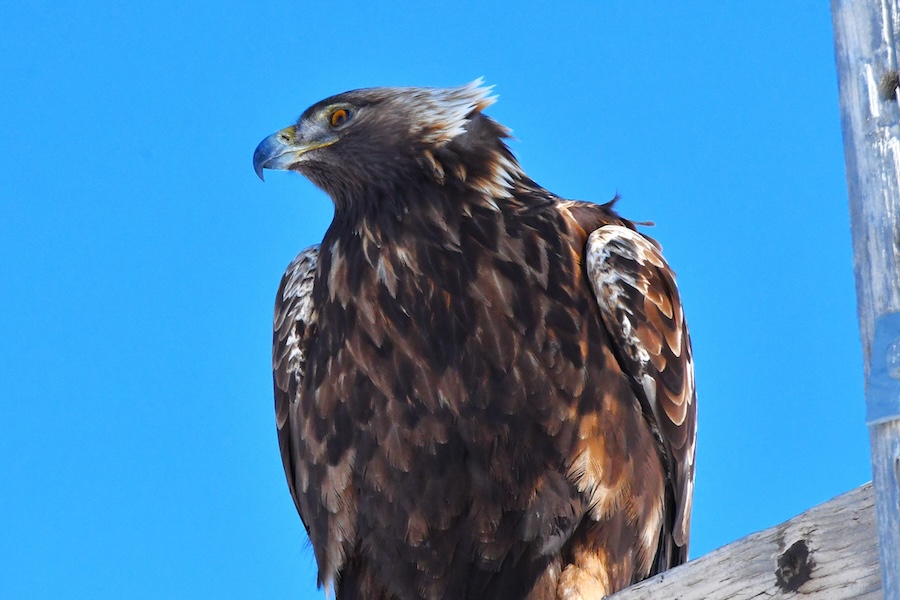
On Monday, I ran back out to the wildlife refuge to see if the morning wind had increased the number of birds. I was rewarded with the sight of some northern harriers, red-tailed hawks, a great horned owl and 12 eagles came in to roost.
I always like to go early when I watch the eagles so I can drive the auto route through the refuge and see what wildlife I can find. Coyotes are starting to pair up, and they can be fun to watch. Because of the unusual winter that we have had, who knows what will show up?
Last week, we had a flock of snow geese fly over the Rexburg area – they were only a month early, but I think they headed back south.
If you get a chance, be sure to go to the Come to Roost event. It is always a fun time, and you can talk to some expert birders and outdoors folks. They love to tell tall tales!
By the way, the heavy wind broke up the ice on Ririe Reservoir last week, so fishermen will start trolling for the kokanee now.
Also, the Great Backyard Bird Count will be Feb. 13-16, and the great horned owls have started dating — and the eagles that nest in the area have started working on their nests. Spring bird migrations will begin in two to three weeks. Exciting times ahead!
RELATED | Ririe Reservoir freezes over — almost
RELATED | Things are a bit out of the ordinary at Henrys Fork in February

Living the Wildlife is brought to you by Yellowstone Teton Territory. Experience 7,500 square miles of untamed wilderness in Eastern Idaho's Yellowstone Teton Territory. Where majestic peaks meet endless adventure, your perfect outdoor escape is waiting. Start planning at YellowstoneTeton.com.