How to spot and destroy powdery mildew in your garden
Published at
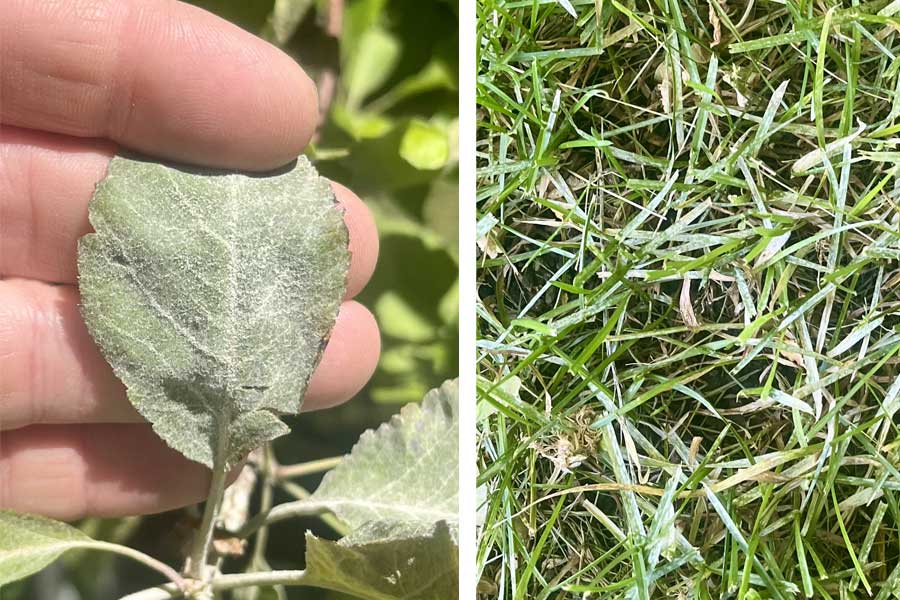
PRESTON — Although our relatively dry climate limits many fungal diseases, powdery mildew remains a common and persistent problem in local landscapes and gardens.
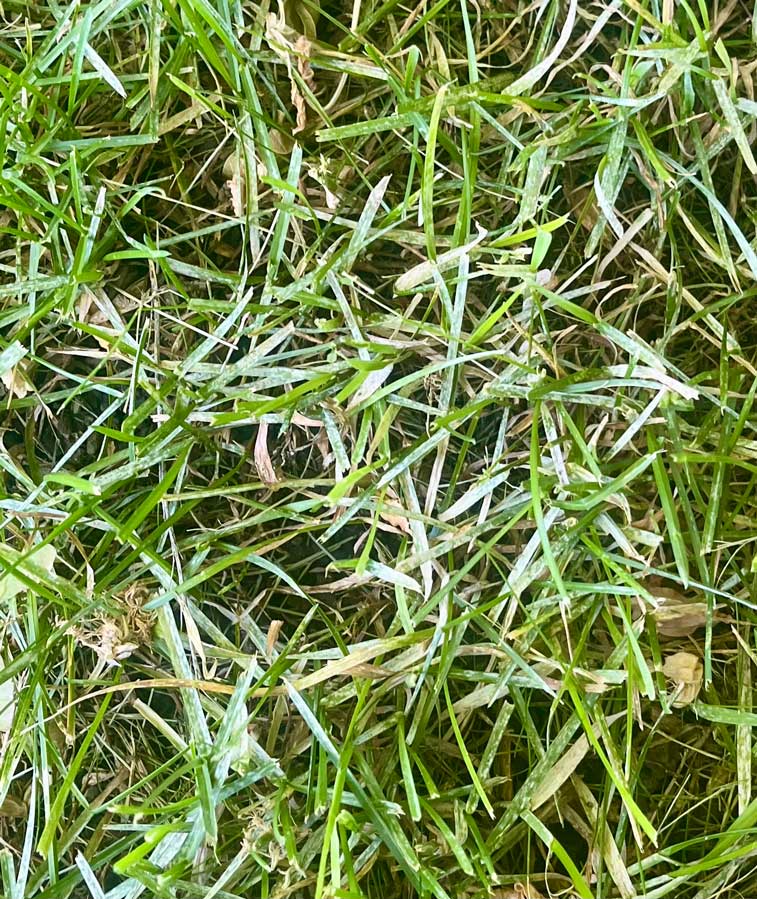
While some species are more susceptible than others, powdery mildew can affect nearly all kinds of plants. Locally, it is common on vegetables — especially squash and melons — lilacs, apples, pears, peaches, grapes, ninebark, peonies, roses and even lawns.
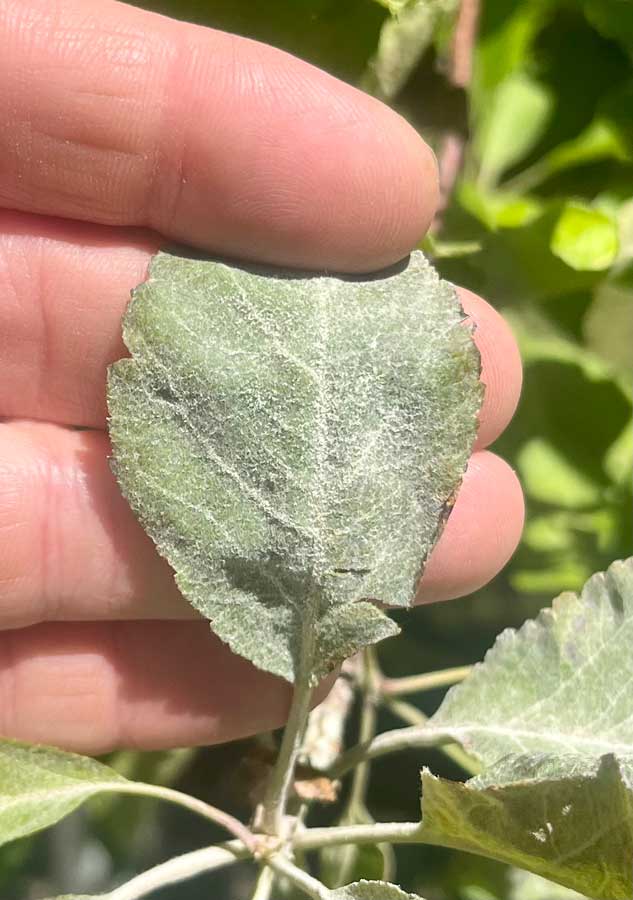
Powdery mildews are characterized by spots or patches of white-to-grayish, talcum powder-like growth. Homeowners often describe it as looking like flour or dust sprinkled across leaves.
The mildew affects leaves, young stems, buds, flowers and young fruit. Infected leaves may become distorted, turn yellow and fall prematurely. Infected buds may fail to open.
Powdery mildew is caused by several different fungal species, many of which are specific to particular host plants. This means the powdery mildew on a lilac won’t spread to your pumpkins or apples, or vice versa.
Infections occur in early summer, from spores released from plant debris or spores blown in by wind from warmer areas. Spores can be carried by wind for hundreds of miles.
Powdery mildews aren’t typically spread by rain or water. For infection, powdery mildews only need high humidity or dew for a few hours. After a spore lands on a suitable plant surface, it germinates. The germ tube penetrates the plant tissue, and the fungus starts growing.
It takes about a week after infection for the first spores to be produced and dispersed. This is when we start to notice the white powder.
The severity of powdery mildew infestation is a function of host susceptibility, cultural practices, inoculum levels (presence of the disease in the past), and weather conditions throughout the growing season. Here are some ways to reduce its impact this season:
- Limit irrigation that wets foliage. Although powdery mildew does not require free water for infection, frequent overhead irrigation can increase humidity within the plant canopy and conditions that favor disease development.
- Crowded or shaded areas are more prone to infection. Thin branches and foliage in problem-prone areas to increase airflow.
- Remove infected tissues early to prevent mildew spread.
- Avoid late-summer applications of nitrogen fertilizer to limit the production of succulent tissue, which is more susceptible to infection.
- If you are in an area with consistent issues, look for plant varieties that are listed as being resistant to powdery mildew.
Fungicides are most effective when applied early — before infections become severe. They prevent new infections and slow disease spread, but generally do not eliminate existing infections.
Also, because many fungal species cause powdery mildew on various host plants, no single fungicide will be applicable to all situations. For crop- and plant-specific fungicide recommendations, consult the Pacific Northwest Pest Management Handbook. Simple searches, such as “rose” or “powdery,” work better than “powdery mildew on roses.”
Powdery mildew is common in our area. You are highly likely to experience some level of this pest every few years. Early detection is the key to successful management. Regularly inspecting susceptible plants can help you catch infections before they become widespread and reduce their impact on plant health and appearance.
While seldom fatal, powdery mildew significantly reduces plant vigor.