Mild winter means more ticks. Here’s how to avoid them
Published at | Updated at
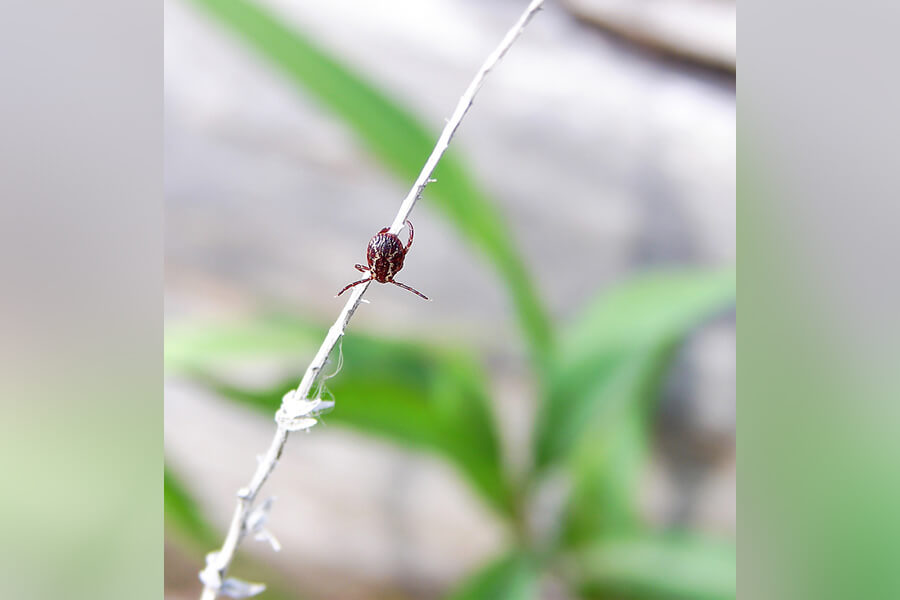
POCATELLO — Ticks. Just the thought of them is enough to make most people’s skin crawl. Unfortunately, east Idaho residents are seeing more of them this year after a mild winter created favorable conditions for tick populations.
“We’ve had a lot of calls from people out hiking who have had encounters with ticks,” said University of Idaho Extension educator Reed Findlay of Pocatello.
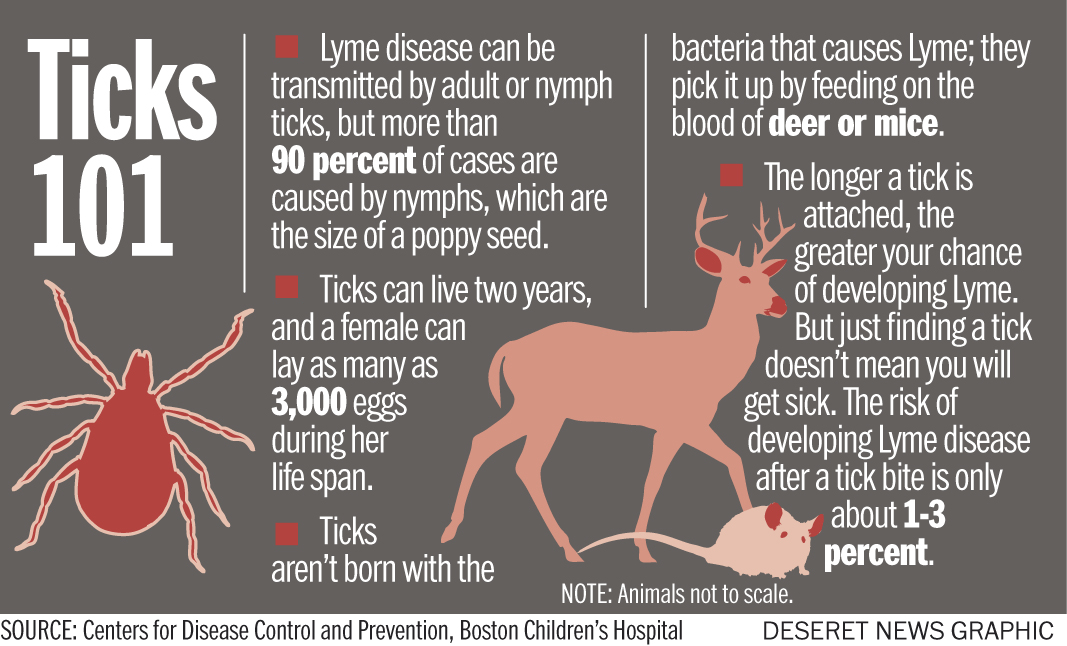
Ticks are more than just a nuisance. They can carry diseases such as Lyme disease, Rocky Mountain spotted fever, tularemia and Colorado tick fever. Symptoms of tick-borne illnesses can include fever, chills, headaches, fatigue and joint pain.
Findlay encourages people to carefully check themselves, their children, pets and clothing after spending time outdoors because ticks can be difficult to spot until they attach.
How to avoid ticks outdoors
With hiking, biking and camping season heading into full swing, there are a few simple precautions to take when spending time outside.
- Use an EPA-approved insect repellent containing at least 20% DEET.
- Wear light-colored, long-sleeved clothing and closed-toe shoes.
- Avoid walking through tall grass, weeds and overgrown vegetation.
- Thoroughly check yourself, children, pets and clothing for ticks before going indoors.
A thorough tick inspection should include special attention to areas where ticks like to hide, including under the arms, in and around the ears, inside the belly button, behind the knees, between the legs and groin area, around the waist, and throughout the hair and scalp.
Creating a tick-safe yard
Ticks don’t just lurk on hiking trails. They also thrive in dense vegetation and shaded areas around homes and properties.
To reduce tick activity around your yard, Findlay recommends:
- Mowing lawns regularly.
- Trimming tall grass and weeds near homes and fences.
- Cleaning up leaf litter and yard debris.
- Creating a three-foot barrier of wood chips or gravel around play areas, patios and other high-use spaces.
- Stacking firewood away from the home.
- Discouraging wildlife such as deer, raccoons and stray dogs from entering the yard.

What to do if you find a tick on a person or pet
Even with every precaution, tick bites can still happen.
RELATED | What you need to know about ticks
RELATED | Vet warns of flea, tick surge after mild winter
“Whatever you do, don’t grab the tick by the backside,” Findlay said. “It should be removed as close to the skin as possible to avoid leaving the mouthparts embedded in the skin.”
To remove a tick, use fine-tipped tweezers or a tick-removal tool. Grasp the tick as close to the skin as possible and pull upward with steady, even pressure. Avoid twisting or jerking the tick during removal.
If part of the tick remains embedded in the skin or if symptoms develop after a bite, seek medical attention immediately to avoid infection and illness.
“As we move into the warmest part of the year, tick activity will only intensify,” added Dr. Jim Fredericks, vice president of public affairs for the National Pest Management Association. “Knowing where ticks lurk, how to prevent exposure and how to reduce their numbers around your home can make all the difference in staying safe and healthy this season.”
For more information, go to University of Idaho extension in Bannock County.