



My kids asked what I was like in the ’90s. I’m not sure they’re ready for the answer
Published at | Updated at
There’s a trend going around right now where kids are asking their parents, “Dad, what were you like in the ’90s?”
It’s a dangerous question.
Not because we don’t want to answer it, but because I’m not sure our kids are ready for the truth.
We weren’t boring. We were just living off camera and off the record. No social media, no smarty-phone cameras. Just you, the moment and an eventual memory.
No smartphones. No social media. No evidence. Just vibes, questionable fashion choices, and a whole lot of pop culture that, honestly, still holds up better than it probably should.
For a long time, the ’80s were the decade everyone wanted to relive. The music, the movies, the neon. But lately, it feels like the spotlight is shifting.
The ’90s are having a moment. And if you were there, you get it.
Movies weren’t just movies — they were the event
Going to the movies in the ’90s wasn’t something you casually did on a Tuesday night. It was the plan.
You got dropped off at the theater by your mom, met your friends, bought a ticket (or maybe two if you were feeling bold), and settled in for what felt like a full evening event. Sometimes it was one movie. Sometimes it was two. Sometimes it was just hanging out in the lobby, trying to decide what to see next.
And the movies? They were massive.
We had true blockbuster events like “Independence Day,” “Jurassic Park,” “Armageddon” and “Twister”; movies that weren’t just popular — they were experiences. They were the kind of movies everyone saw and talked about.
Then you had the all-time classics that somehow came out of the same decade: “The Shawshank Redemption,” “Braveheart,” “Forrest Gump” — movies that didn’t just entertain but stuck with you.
Maybe my favorite part were the surprise movies, like “Speed,” “The Sixth Sense” and “Home Alone” — films we didn’t fully see coming that ended up becoming part of the culture almost overnight.
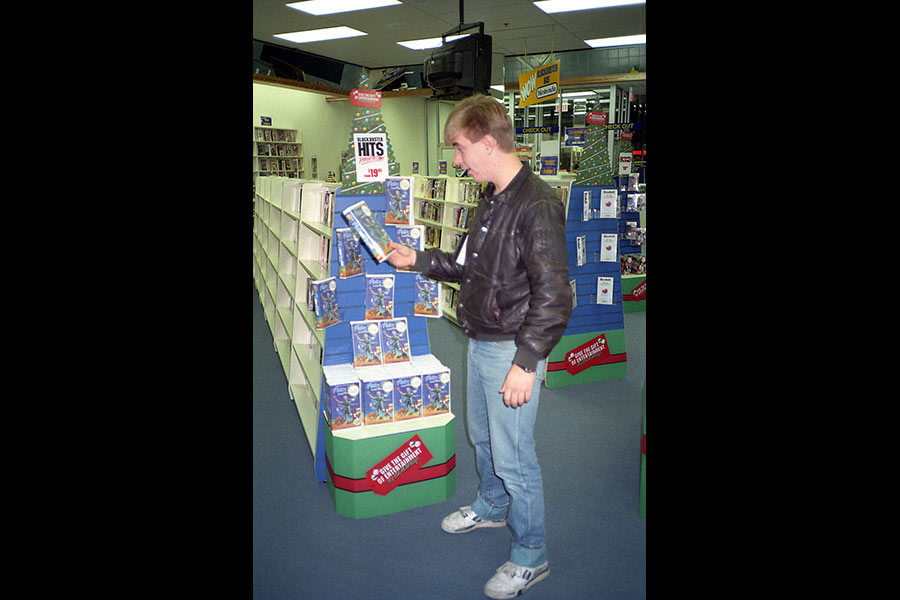
And when you weren’t at the theater, you were at Blockbuster, wandering the aisles, reading the back of VHS boxes, discovering movies you’d never heard of. You were eyeing the return bin like a hawk, just hoping someone would drop off that new release you’d been waiting for.
Then you’d take that two-day rental home, watch it at least three times in 48 hours, and — this is important — rewind it before returning it.
Movies weren’t just something you watched. They were something you did.
TV wasn’t on-demand, it was appointment viewing
I understand why people call this the golden age of television now. There are incredible shows being made with massive budgets and cinematic storytelling.
But the ’90s had something we don’t have anymore. Shared experience.
You didn’t binge a show whenever you felt like it. You showed up when it aired or you missed it.
Thursday nights alone were legendary — “Seinfeld”, “Friends”, “ER” and “Frasier,” all on one network.
We didn’t have endless options, which meant we were all watching the same thing. Talking about the same moments. Laughing at the same jokes.
“Hello, Newman,” “Ross and Rachel” and “Who shot Mr. Burns?” are all from the ’90s.
Season finales actually meant something because we had to wait all summer to get the answer. And that wait built anticipation in a way streaming just can’t replicate.
Sure, the sets might look a little dated now. The film quality might not be what it is today. But there was something comfortable about it.
Those apartments we all somehow believed we could live in someday. The laugh tracks. The familiar sets. TV felt like a place you went back to each week, and somehow, we all went there together.
Music was chaotic and perfect-ish
If movies were the event and TV was the routine, music was the chaos.
The ’90s didn’t have one sound. It had all of them.
Grunge exploded. Hip-hop went mainstream. Boy bands took over. Metal found a bigger audience. Ska popped up out of nowhere. And we listened to all of it.
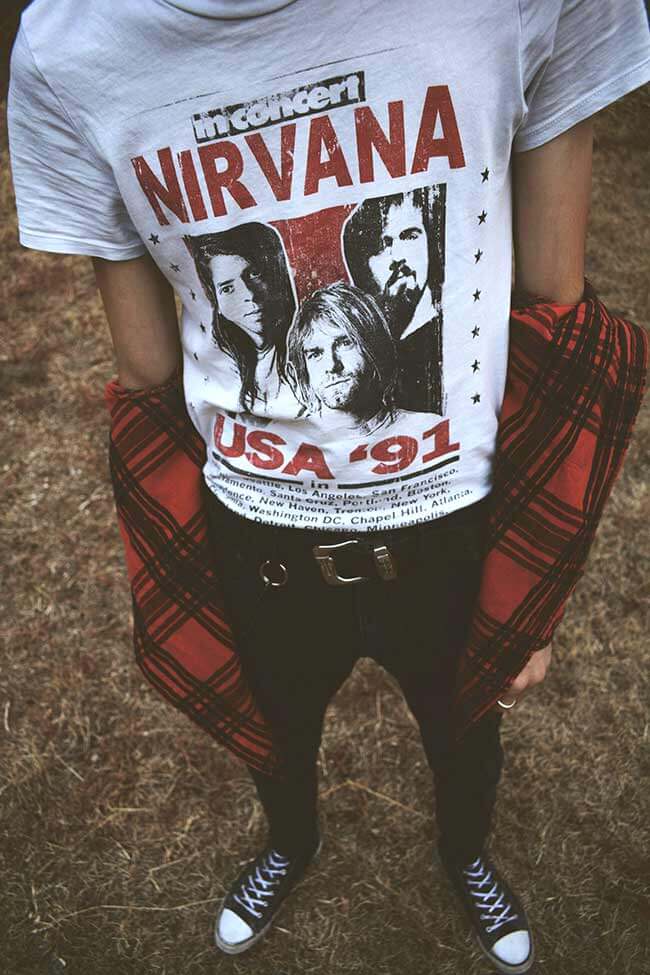
Because we didn’t have endless playlists or algorithms feeding us exactly what we wanted. We had the radio. We had whatever CD we could afford. We had whatever our friends brought over.
I worked at a skating rink in the ’90s, and every payday I’d head straight to the used CD store to build out my Case Logic binder like it was a treasure chest.
Then we’d go to a friend’s house and burn CDs, the ’90s version of mixtapes. And those mixes made absolutely no sense.
Dave Matthews next to System of a Down. Run-DMC right into Less Than Jake.
It didn’t matter. Music wasn’t curated. It was shared.
So why are the ’90s back?
Because they were real.
It was this strange, perfect moment where the world was starting to go digital, but we were still living mostly analog lives.
No smartphones. No AirPods. Just landlines, Walkmans, Discmans and a whole lot of patience.
You waited for your shows. You waited for your songs. You waited for your movies.
And because of that, everything felt a little more important.
We weren’t scrolling through life. We were actually in it. And more importantly, we were in it together.
The movies we watched, the shows we followed, the music we listened to; it wasn’t individualized — it was shared, creating common ground and introducing us to music, movies and TV shows we never would have come across otherwise.
That’s why the ’90s keep coming back.
It’s not the frosted tips. It’s not the Doc Martens. It’s not even the choker necklaces.
It’s the feeling.
So, if my kids ask me what I was like in the ’90s, I’ll probably just smile and say: “Cooler than you think and free of a digital footprint.”
And honestly?
That might have been the best part.