



Utilizing the allium family – a.k.a. onions, chives, garlic and leeks
Published at | Updated at
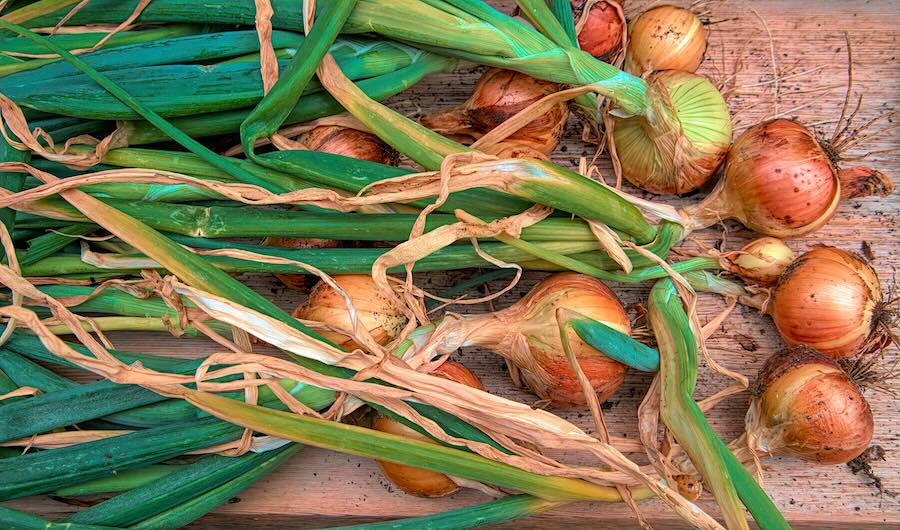
IDAHO FALLS — It doesn’t take a person long to learn the smell of an onion. Once this smell is learned, it is easy to identify the other members of the allium family.
Some individuals cannot stand the smell of onions or other alliums — and the same is true for many insects. Plants in the allium family can be used to deter pests away from desired crops or plants.
The smell of alliums can also mask the scent of the desired host plant so the insects cannot find them. This is known as allelopathy and is utilized in plant associations, but that is an article for another day.
One question that I get regularly is: Why can’t I purchase onions from certain plant catalogs or online companies? The answer is plant 1uarantines.
Southwest Idaho and eastern Oregon produce more commercial onions than any other region of the United States. To protect our onion production, the Idaho Department of Agriculture is trying to keep white rot out of the state. This disease is transmitted in allium bulbs and sets, but not on seed.
The reason we do not want this in Idaho is that the sclerotia of the fungus can live in the soil for up to 30 years, making it extremely difficult to grow allium species in that area. The only control option is to prevent it from getting into the soil.
For further information on plant quarantines in Idaho, look up the publication “Idaho Plant Quarantines and the Home Garden: Understanding the Laws”. This disease was identified in a field in northern Idaho a few years back and has been determined to be an isolated event.
Alliums grow very well in Idaho and can be grown from seed or sets. Onions, chives, garlic, leeks and shallots are common species grown as vegetables.
There are general growing requirements for this group, and a few tips specific to the species that will help you produce a healthy, high-yielding crop.
General growing requirements
Allium species prefer full sun and fertile, well-drained soil. They all respond well to the incorporation of organic matter into the soil prior to planting. They require regular watering, and water stress will decrease yields and bulb size. Weed competition will produce similar results.
Alliums do well with being mulched to control weeds and support water conservation. They are hardy, cool-season plants and can go outinto the garden early. Seeds are planted a quarter to a half inch deep in rows 8–16 inches apart.
Species-specific tips
Onions
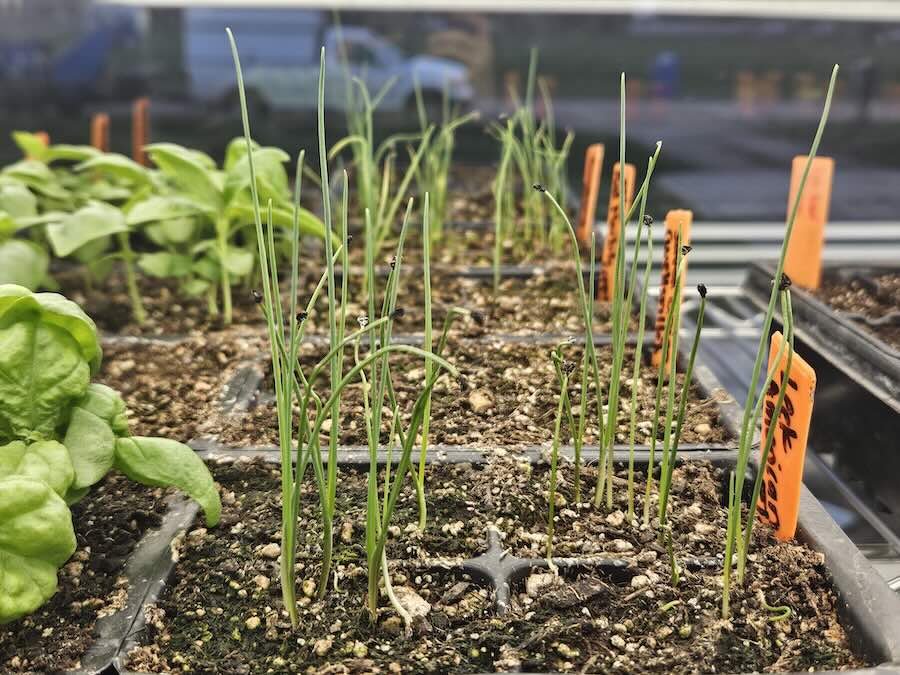
Planting: Onions can be planted from seed or sets. Seeds and sets should be planted 3-4 inches apart to allow for bulb set. If you like green onions, you can plant them closer together, and then thin them out and use those you pull as green onions. Properly harvesting onions allows for longer storage.
Harvest: Watch for the tops to fall over. When the tops fall over, lift the bulbs out of the ground and leave them in the garden to dry for one to two weeks. Use the tops of the onions to cover the bulbs to protect them from the sun. You will know the onions are cured when their skins are papery and the roots are dry.
Storage: Store onions in a mesh bag or braided in a cool, dry location.
Garlic
Planting: Plant garlic in the fall. The plants should be 2-3 inches deep, 3-4 inches apart, and in rows 6-10 inches apart. A side dressing of nitrogen fertilizer in May will keep the plants growing strong and increase yields.
Harvest: Harvest garlic when the tops are yellow but before they dry. There are different forms of garlic: hardneck, softneck and elephant.
- Hardneck garlic has a hard stem that grows up through the bulb and has a short storage life.
- Softneck garlic stores very well and is used for braiding.
- Elephant garlic is closer to a leek than garlic, and has a much milder flavor. It doesn’t store well.
Chives
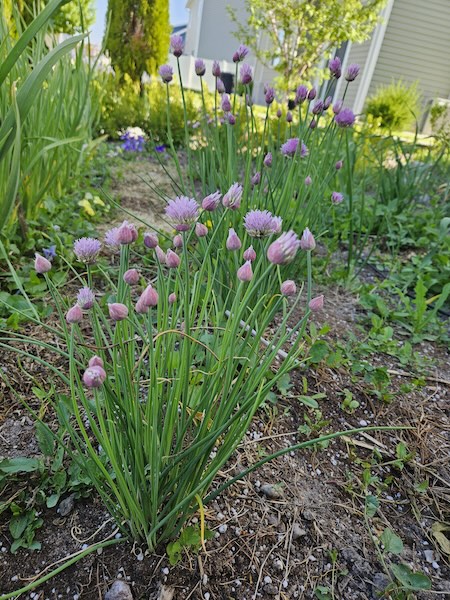
Planting: Chives can be grown from seed, transplants and division. This is one plant that can provide many benefits to your garden and lasts for many years. I have planted chives under my fruit trees for many years to help deter insects.
Harvest: You can even divide a portion of the chives plant and bring it indoors in autumn to use throughout the winter, and then plant it back outdoors in the spring. When bringing chives indoors, place the plant in a sunny location and keep the soil from drying out.
Leeks
Planting: Leeks can be grown from seed or transplants. After the plants have grown up, hill the soil around them two to three times throughout the growing season. Pile 2-3 inches of soil around the plants each time. This makes for a larger blanched edible stem.
Harvest: You can begin harvesting and using leeks when they are 1 inch or larger in diameter. Varieties that do well in Idaho are King Richard and Large American Flag.
Go ahead and plant an onion
Alliums have many uses in the landscape and the garden thanks to their allelopathic properties, so let nature help you by planting them. They are also good for your health. And best of all, they are easy to grow and harvest.
If you haven’t planted alliums, there is no better time to start than today.