



When oranges attract the orioles
Published at | Updated at
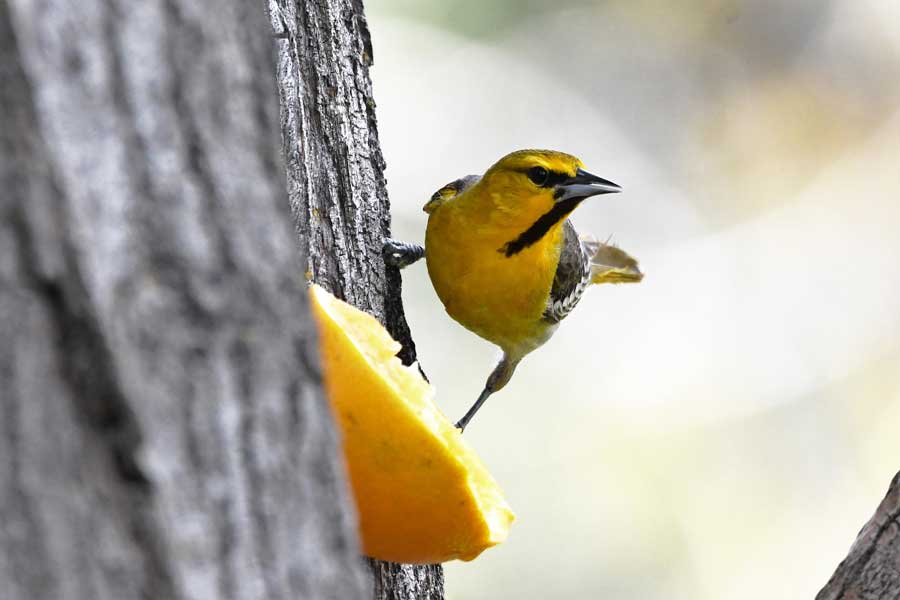
REXBURG — With the temperature hovering around 30 degrees Tuesday morning, I did not expect to be entertained by the whistling song of a Bullock’s oriole, the first of the season.
It was perched high in a hybrid poplar tree, flittering from branch to branch, apparently looking for something to eat — or it may have been moving just to stay warm.
The week before, I had put out some grapefruit halves in case fruit-loving birds showed up. When I checked the fruit, it looked like some bird had taken a taste of one of the halves but had not eaten much. So, I quickly got an orange and replaced the bitter grapefruit.
Within a few minutes, the beautiful male Bullock’s was eating the sweet orange. When he finished, I thought I detected a sweeter song coming from him.
By Thursday morning, three males were visiting my oranges.
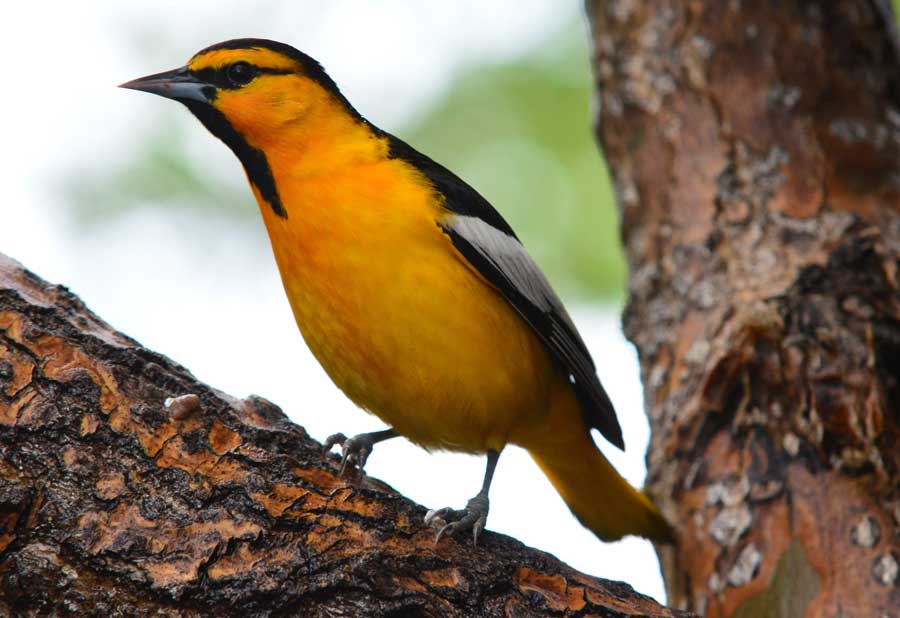
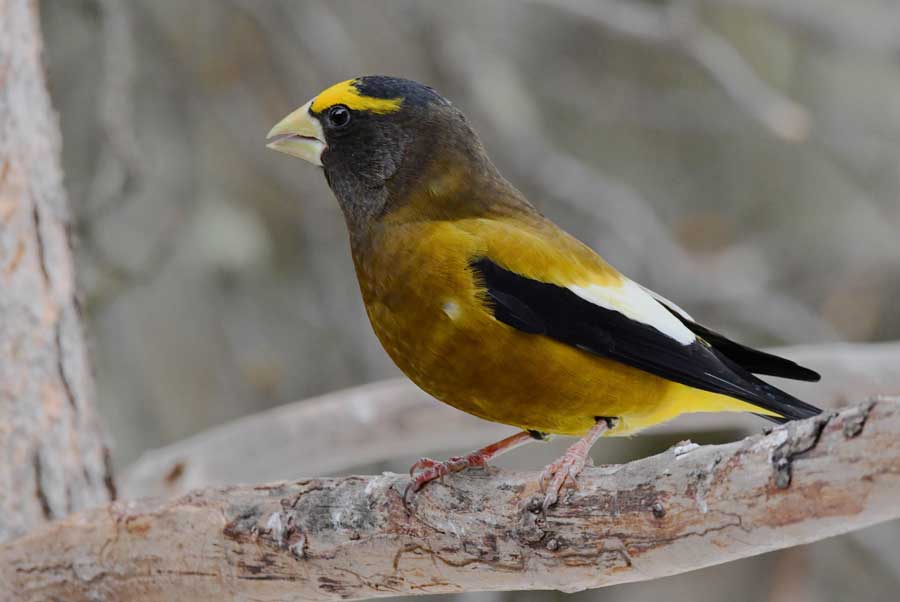
The orioles were not the only colorful birds that showed up at my feeders this week. We had some evening grosbeak and the black-headed grosbeaks showed up. The two other colorful birds that usually come about now are the blue lazuli buntings and the western tanagers, but we have not seen them.
Now is the time to put out oranges, grape jelly and hummingbird feeders for these colorful birds. Most of these birds also eat spiders, insects, caterpillars and grasshoppers.
If you want grosbeaks, they love sunflower seeds, so I put out one large feeder full of them. But I take it back down again after most of the grosbeaks leave.
For the last six years, I have had a pair of Bullocks nest in my backyard. The females have not shown up yet, but they should be here in the next 10 days. When they arrive, they will weave a hanging pouch nest out of grass, horsehair, bark, string and yarn out on a small limb.
I have cut up some colorful yarn and string for them and the other songbirds to use in building their nests. Robins have been stealing the colorful pieces, so I will continue putting them out so the late nesters will have them.
This week, I had a question about bird baths spreading diseases to the wild birds that use them. The Idaho Department of Fish & Game recommends that all bird feeders and baths be cleaned every two weeks with a 10% bleach solution. If you see sick birds, wildlife officials say to remove the feeders for two weeks and thoroughly clean them.
After cleaning, the feeders and baths should be completely dried before refilling. Birds that crowd together at feeders — like pine siskins, house finches and the American goldfinch — will spread salmonella and eye diseases from dirty feeders and baths.
After the migrants have moved on, the only feeders that I leave up are hummingbird and raw peanuts for the woodpeckers. This encourages most birds to get their natural food and to feed on the insects that may invade your yard.
I love this time of year, as the colorful birds start migrating through the area and bring strange birds with them. About every two or three years, when the grosbeaks show up, I will get a rose-breasted one. Hopefully, I will get one this year.
Have a good week and enjoy the predicted warm weather — but pray for rain. We need it badly.

Living the Wildlife is brought to you by Yellowstone Teton Territory. Experience 7,500 square miles of untamed wilderness in Eastern Idaho's Yellowstone Teton Territory. Where majestic peaks meet endless adventure, your perfect outdoor escape is waiting. Start planning at YellowstoneTeton.com.