



Tracking and attracting hummingbirds to your yard
Published at
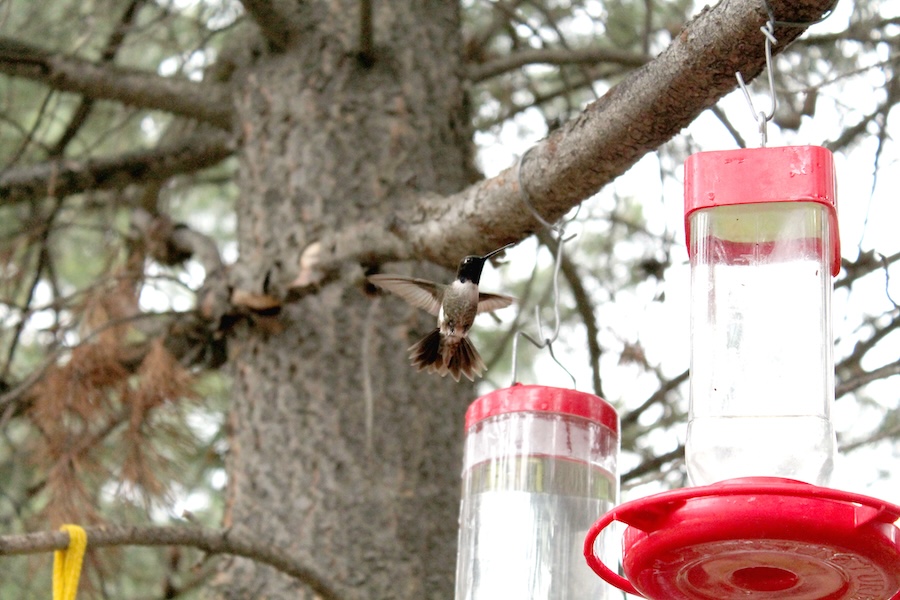
It is always breathtaking to watching a tiny, shiny, colorful hummingbird working it’s little heart out to keep those wings beating while eating from flowers and feeders. Many of us, old and young, enjoy the experience of watching hummingbirds at work.
But how can we have that experience at home?
The first question we need to ask is “when will the hummingbirds be in my area?” Hummingbirds are migratory creatures and only come through Idaho on their way to somewhere else. We often see our first hummingbirds in May, with many more coming in June. They will linger through August, some years into September. It is helpful to check a tracking map.
I prefer this map that tells you which species of hummingbirds have been sighted where and when, all over the country.
How can you get more hummingbirds in your yard?
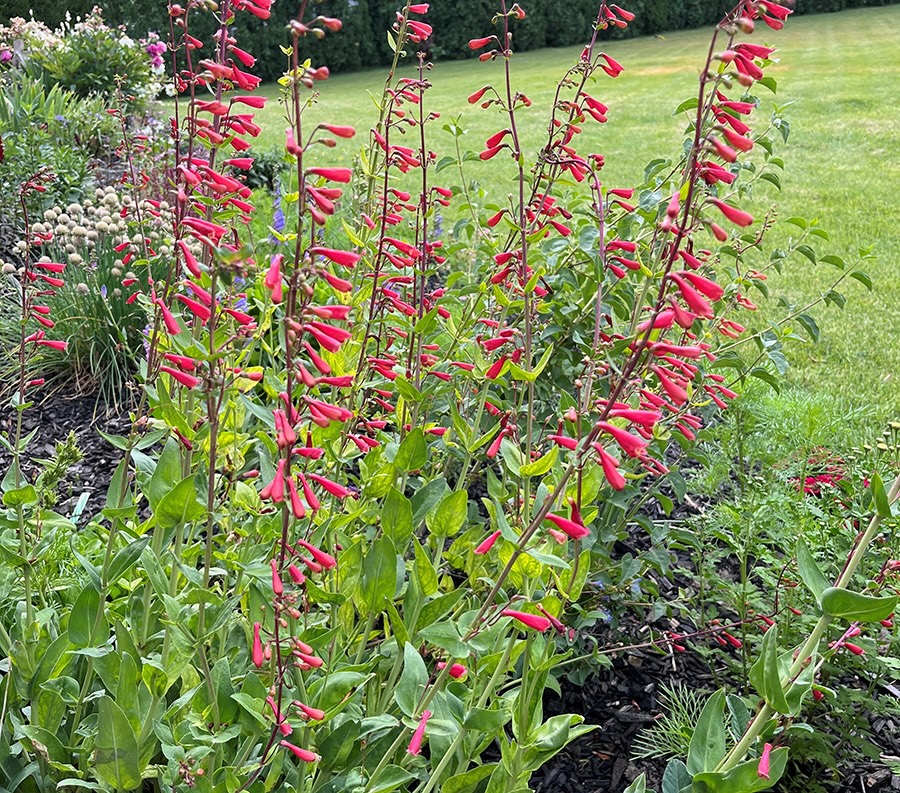
Think of what any animal needs to survive: water, food and shelter. Hummingbirds do need water, but they get most of it from the nectar they drink. And boy, do they drink a lot of nectar! They need to eat every 10 to 15 minutes and going more than a couple hours without nectar can be fatal.
That’s 1,000-2,000 flowers visited per day!
So let’s plant some flowers! Things to keep in mind when planting flowers for hummingbirds:
- Plant brightly colored flowers so hummingbirds can easily find them
- Plant flowers with a shape that is easy for hummingbirds to access- bell or tube shaped flowers are ideal
- Use a succession plan to make sure you have flowers blooming in your yard all through hummingbird season
Some flowers that hummingbirds love that will thrive in most of eastern Idaho include:
Early Bloomers:
Annual (replant each year)
• Cuphea
• Sweet Pea
Perennial (Come back each year)
• Delphinium
• Columbines
• Daylily
• Bleeding Heart (Dicentra)
• Hellebore
• Penstemon
• Honeysuckle (shrub)
• Lupine
• Cat Mint
Mid-Summer Bloomers:
Annual (replant each year)
• Petunia
• Cosmos
• Calibrachoa
• Cuphea
• Morning Glory (Ipomea- NOT bindweed)
• Lobelia
• Scarlet Runner Bean
Perennial (Come back each year)
• Beebalm
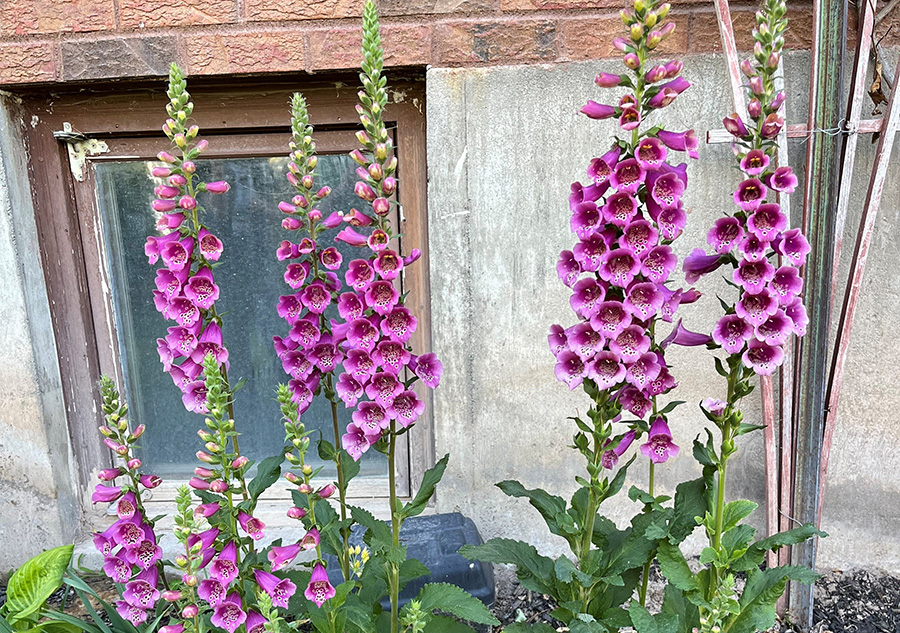
• Foxglove (Digitalis)
• Hibiscus
• Hollyhocks
• Hummingbird vine (campsis radicans)
• Penstemon
• Russian Sage
• Salvia
• Spirea (shrub)
• Honeysuckle (shrub)
• Heuchera (bright colored leaves will attract them also)
• Cana lily
• Cat Mint
Late Bloomers:
Annual (replant each year)
• Zinnia
• Cosmos
• Petunia
• Calibrachoa
• Sunflower
• Tithonia
• Cuphea
• Morning Glory (Ipomea- NOT bindweed)
• Lobelia
Perennial (Come back each year)
• Agastache (hummingbird mint- their FAVORITE flower in my yard)
• Kniphofia
• Butterfly Bush (shrub- zone 5+)
• Cana lily
• Echinacea
• Rudbeckia
• Sedum (tall varieties)
• Fall Aster
If you can’t plant flowers or need to supplement, consider hanging some hummingbird feeders! Get a high-quality feeder. Glass is ideal as it can be sterilized easily. Also make sure the nozzles for feeding are easy to clean and easy to access, with perches in front of each nozzle for birds to sit at, if desired.
Bright colors will attract hummingbirds to the feeders. Be sure to find a safe location in your yard to hang the hummingbird feeder. Put it somewhere cats can’t reach- ideally around 6 feet from the ground. In the shade is ideal. Near trees will give them food close to nesting locations. If you hang multiple feeders, place them in sight of each other. I hang feeders along with my flowers, in case there isn’t enough nectar to go around.
To prepare your feeder to hang- sterilize any glass or metal parts first, in the dishwasher IF dishwasher safe, or dunk in boiling water, or clean with a weak bleach solution- making sure to rinse thoroughly.
There is no need to purchase dedicated “hummingbird food”. Simple mix 1 part sugar (table sugar is great!) to 4 parts water, example: 1 cup sugar and 4 cups water, in a saucepan. Bring to a boil, mixing constantly, and boil just until all the sugar is dissolved- the water is clear and you don’t feel any grit on the bottom when stirring. Cool the solution.
Add to your feeders only what you think the hummingbirds may eat in about 4 days. Put the rest in an airtight container in the refrigerator for later. Change the sugar solution every four days or so. It is ideal to thoroughly clean the feeder each time you change the solution to prevent mold or bacteria growth that may harm the birds.
You may not see many hummingbirds your first year, but hang in there! Once the hummingbirds have discovered you are prepared for them, they will come back year after year, bringing other hummingbirds with them. Enjoy your new humming friends!
For more information on hummingbirds, consider reading this pamphlet from Fish and Game.