



Baby burrowing owls are having their coming-out parties
Published at
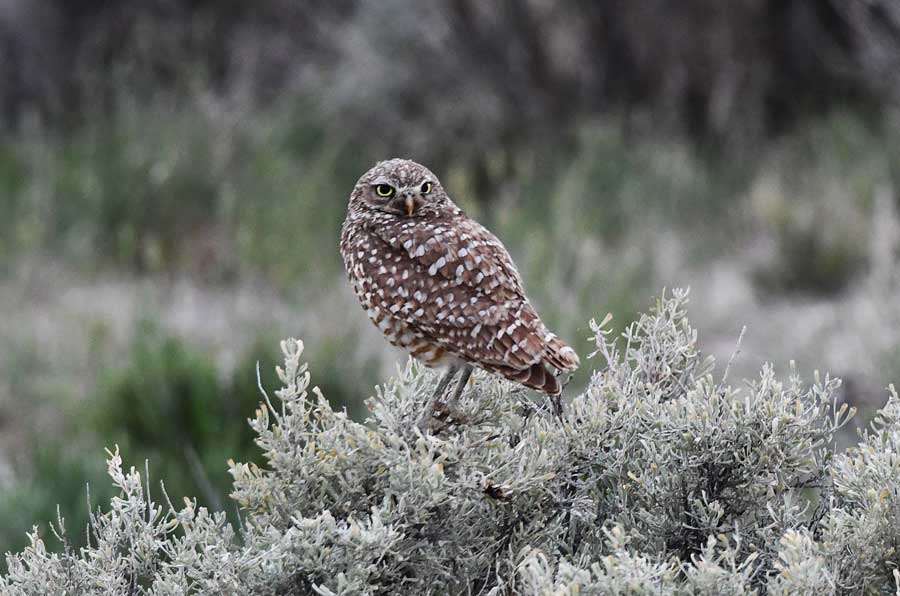
I have been watching three burrowing owl nests for two weeks and saw my first nestling on June 8.
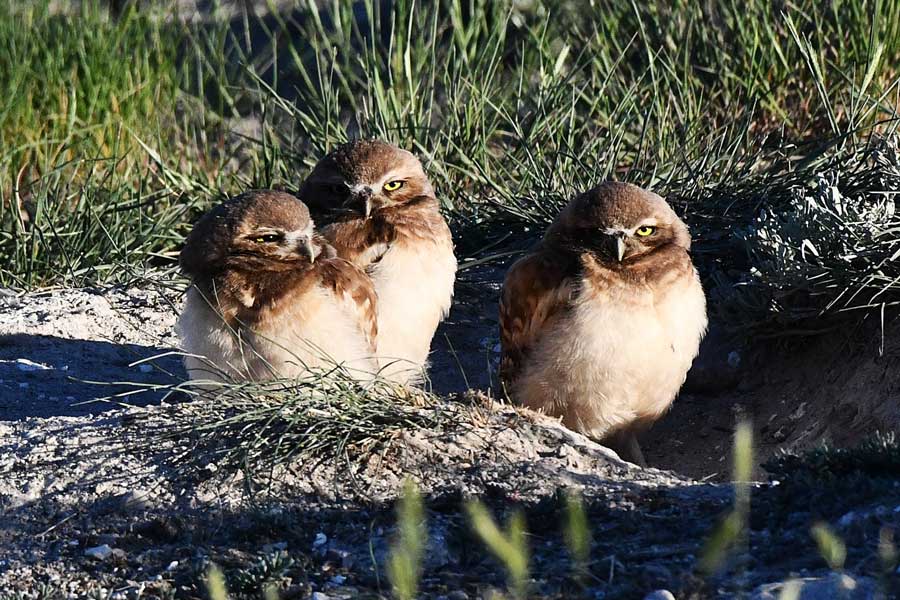
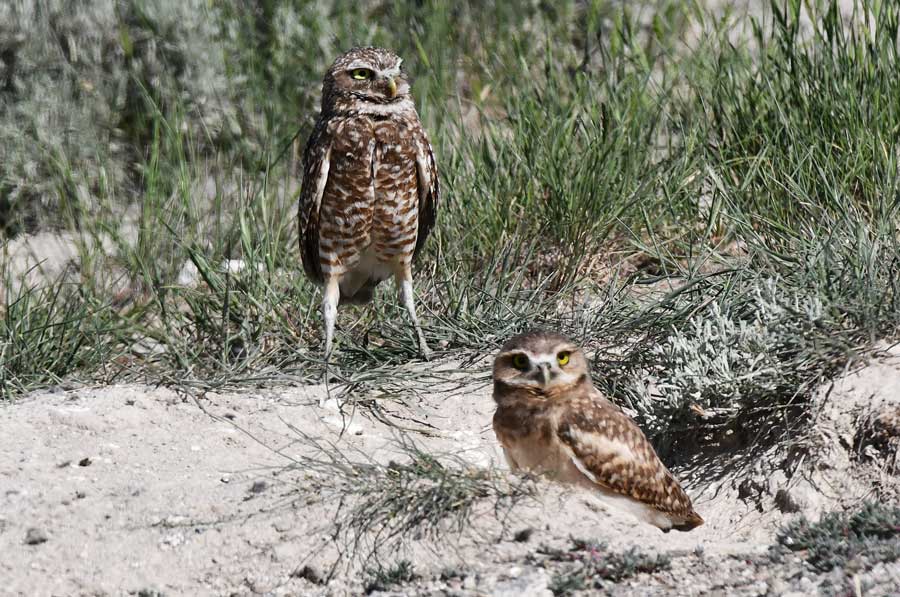
Early Thursday morning, I checked that nest again and watched as three came out of the burrow, and another three just showed the tops of their heads for a brief moment before diving for cover again.
In the nearby second nest, it appears that the female is still sitting on the eggs as the male feeds her in the burrow. And the third burrow appears to have only two owlets, with both the mom and dad feeding them.
As I watched, one of the parents came back to the third nest with a small lizard, and the two owlets made short work of it for lunch.
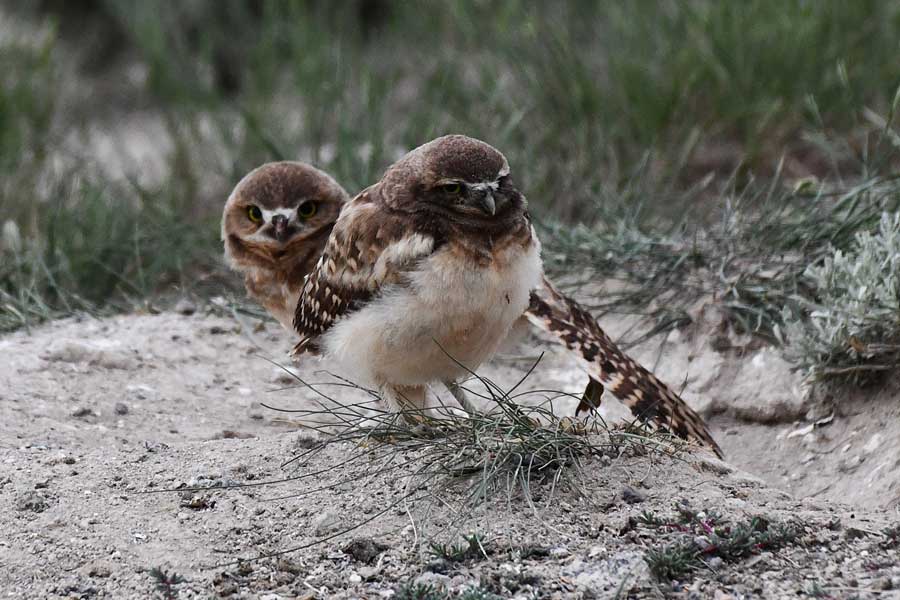
The owlets usually do not come out of the burrow until the sun warms up the air a bit. But on Friday morning, one of the six came out about 6 a.m. and stayed out until about 7:30, when another one joined it. One of the parents fed it a Mormon cricket.
When a northern harrier flew over, the parent started making alarm calls and the owlets quickly dove down the burrow.
While watching the nest with six owlets — when not hunting and gathering food — the parents perch on a tall sagebrush. When danger appears, they make the alarm calls.
The dad is usually hunting, and I have watched the mom spend hours watching over the nest. When the male brings in some food, he will call from a distance and the female will go to the burrow to feed the owlets.
When the female starts incubating up to a dozen eggs, the male not only feeds her, but also brings in a lot of food to store in the burrow. Studies have shown that up to 200 rodents have been stored in burrows to await the chicks’ hatching.
Not only do they store food, but they will carpet the burrow with cow dung that attracts beetles and flies to be eaten by the owlets.
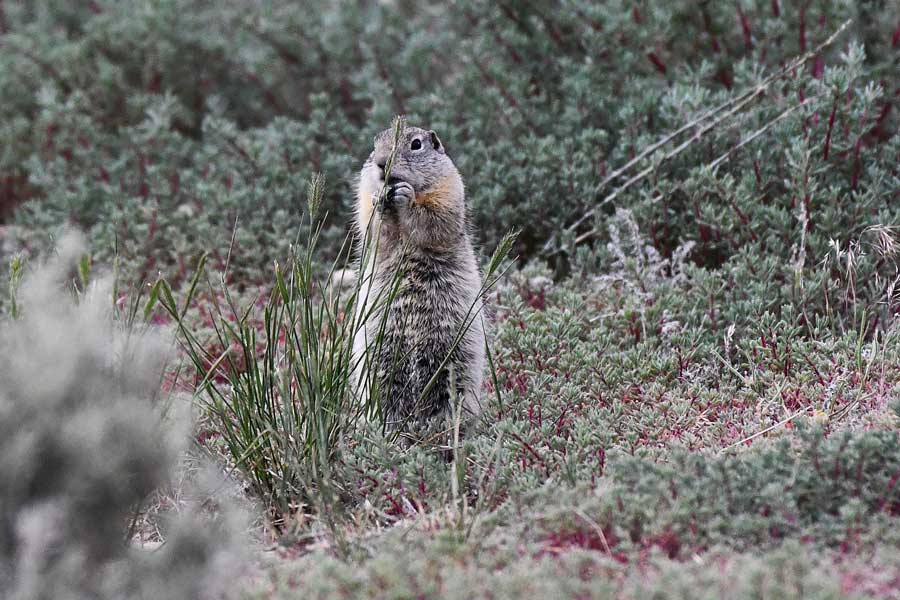
Most of the burrows that I have located are surrounded by a colony of ground squirrels that have created many burrows. The burrows that the owls use have usually been enlarged by badgers digging up the hibernating squirrels during the winter for food. If the badgers return to the area where the owls are nesting in the summer, they will destroy the nests and kill the owlets. I have seen this happen many times over the last few years.
Another benefit of nesting in areas with many burrows is that owlets grow rapidly and soon need individual digs to live in while they learn to hunt and gather food.
The nest of six owlets appears to be an odd setup, as I have seen the three that come all the way out of the burrow, and at times I will see just the very top of three down-covered heads at the edge of the burrow.
The older three appear to be 10 days older than the younger three. I have been visiting their burrow about every other day, waiting for the younger ones to come out. But all I have seen is just the top of their heads.
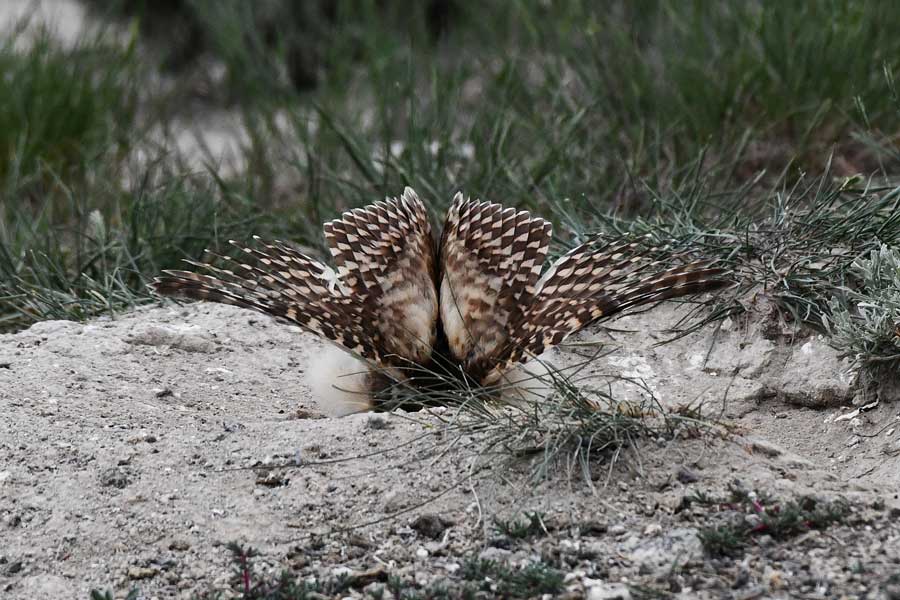
The older owlets are just beginning to stretch their wings, bob their heads and put on a show; that will continue to increase as they learn to fly.
If you know the location of a nest or two, it is always a treat to watch. Give them about 50 to 100 yards of space and allow them to get used to your vehicle. They will put on a show for you in about two weeks.
Have a great and healthy week.

Living the Wildlife is brought to you by Yellowstone Teton Territory. Experience 7,500 square miles of untamed wilderness in Eastern Idaho's Yellowstone Teton Territory. Where majestic peaks meet endless adventure, your perfect outdoor escape is waiting. Start planning at YellowstoneTeton.com.