



16 years without answers: ‘COLD’ podcast host Dave Cawley speaks on tragedy of Susan Powell case
Published at
SALT LAKE CITY, Utah — For more than 16 years, the disappearance of Susan Powell has lingered as one of the most unresolved mysteries in the Intermountain West.
KSL investigative journalist Dave Cawley is the host of “COLD.” The first season of the podcast focused extensively on Susan’s disappearance and it quickly skyrocketed to the top of charts when it was released in 2018.
Susan Powell vanished from her West Valley City, Utah, home in December 2009. Her husband, Josh Powell, claimed he had taken their two young sons, Charles and Braden, camping in the middle of a snowstorm — a story that immediately raised suspicion among police, the media and the public.
At the time, Cawley was an early-career radio journalist working near the very neighborhood where Susan lived.
“From the drop, something felt wrong,” Cawley told EastIdahoNews.com during an interview on “Courtroom Insider.”
Josh Powell’s strange demeanor during early media encounters only deepened those doubts. Yet despite hours of police questioning and mounting circumstantial evidence, he was never arrested in Utah. Within weeks, he withdrew Susan’s retirement savings, cut off contact with investigators and fled with the boys to Washington state.
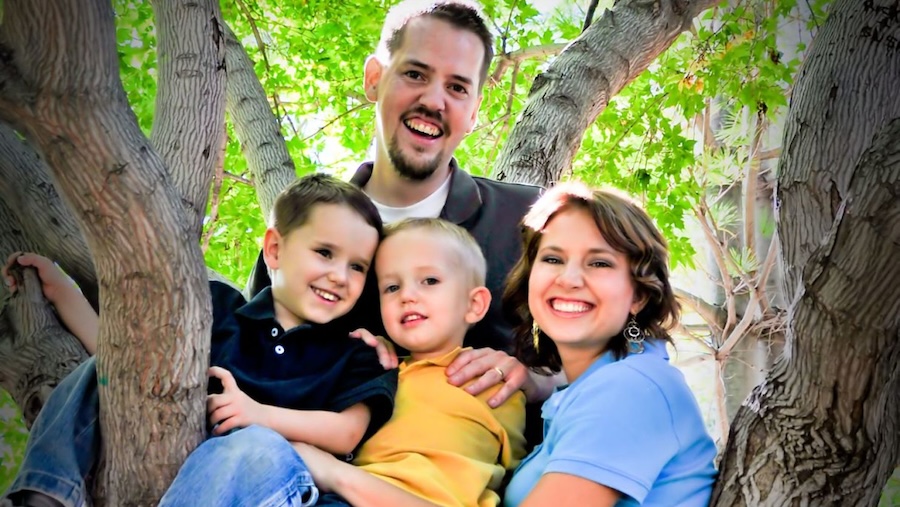
By 2012, the case reached a devastating conclusion. Josh Powell lost custody of his sons amid growing concerns about their safety. On Super Bowl Sunday, during a court-approved visitation, he locked a social worker out of his rented home, murdered his two children, and then killed himself as the house burned. The tragedy left Susan’s body still unfound — and countless questions unanswered.
Cawley joined KSL shortly after those events.
In 2013, when West Valley City police announced they had exhausted all leads and would release their case file, he says his interest turned into obsession. He began digging into thousands of pages of documents, police interviews, wiretaps, journals and audio recordings — especially those belonging to Josh’s father, Steve Powell.
What emerged was deeply disturbing. Steve Powell was later convicted of crimes involving child sexual abuse material and his journals revealed years of obsessive, predatory behavior toward Susan herself.
“Reading that material was caustic,” Cawley said. “It erodes your faith that people are inherently good.”
Despite public speculation, Cawley does not believe Steve knew where Susan’s body was. Instead, he describes a toxic family dynamic driven by control, resentment and manipulation.
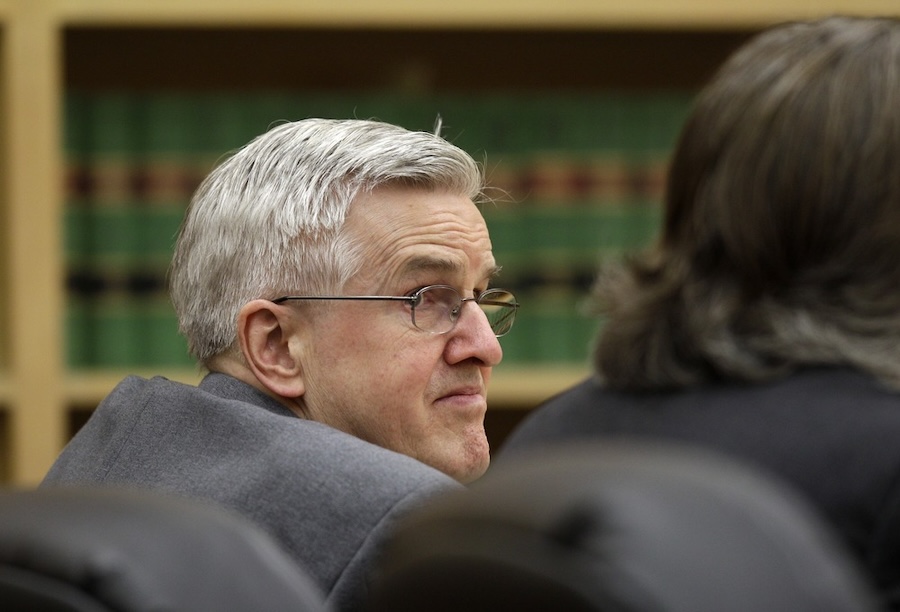
That exhaustive reporting became “COLD.” Spanning 18 main episodes and numerous bonus installments, the podcast reexamined every facet of the case in unprecedented detail. It quickly exploded in popularity and became life-altering for Cawley.
“There’s your life before Cold and your life after,” a colleague told him — and she was right.
Yet Cawley measures the podcast’s impact not in downloads, but in messages from listeners, particularly women who say Susan’s story helped them recognize danger in their own lives and find a way out.
Today, Susan Powell’s fate remains unknown. Cawley believes the last credible lead points north, toward southern Idaho, where Josh traveled for 18 hours shortly after Susan disappeared.
Whether her remains will ever be found is uncertain. Still, Cawley feels a responsibility to remain connected to the case that changed everything.
“You don’t choose to become the person associated with a story like this,” he said. “But once you are, you owe it to the victims, their families, and the public to keep going.”
Watch our entire interview with Dave Cawley in the video player above.
This story was initially reported by a journalist and a journalist conducted the interview. It has been, in part, converted to this platform with the assistance of AI. Our editorial team has verified the reporting for fairness and accuracy.