



Idaho student murders case helps spur proposed law to stop release of photos
Published at | Updated at
Kevin Fixler, Idaho Statesman
BOISE (Idaho Statesman) — On the heels of a recent release of thousands of crime scene photos from the Moscow college student murders, images of deceased people created as part of police or coroner investigations would become exempt from disclosure in response to Idaho public records requests under a newly proposed law.
Senate Bill 1250 still would allow family members to obtain such photographs once an investigation is finished and all potential criminal cases associated with the person’s death are resolved.
The bill sponsored by Senate Minority Leader Melissa Wintrow, D-Boise, was two years in the making after she introduced but later pulled a bill with similar intent during last year’s legislative session. Several states already have such a law on the books.
“Family members make a lot of decisions about decedents,” Wintrow said in a phone interview. “It’s just important to allow family members to do what they want to do with those photos.”
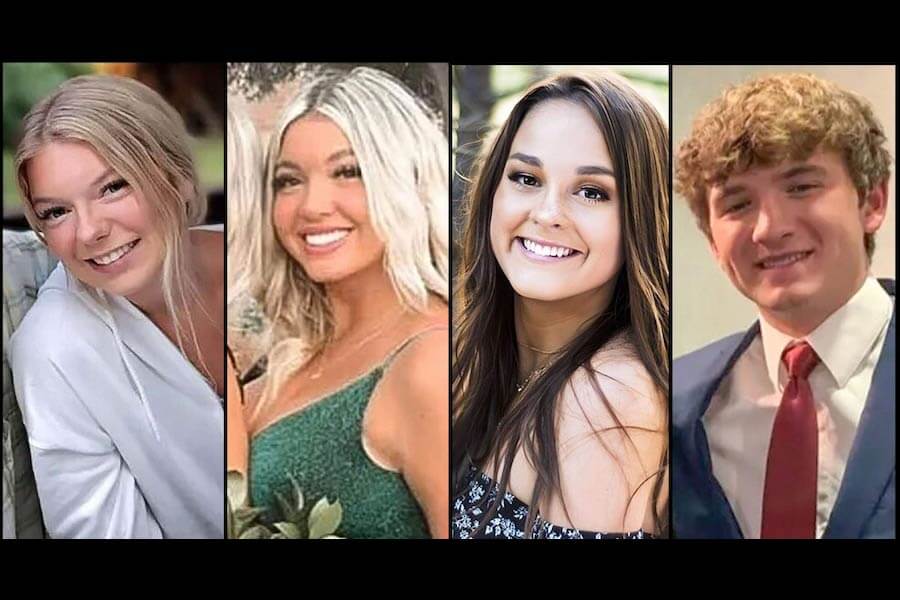
Wintrow worked closely on the legislation with Alivea Goncalves, a sister of Kaylee Goncalves, who was one of the four University of Idaho students fatally stabbed at an off-campus house in November 2022.
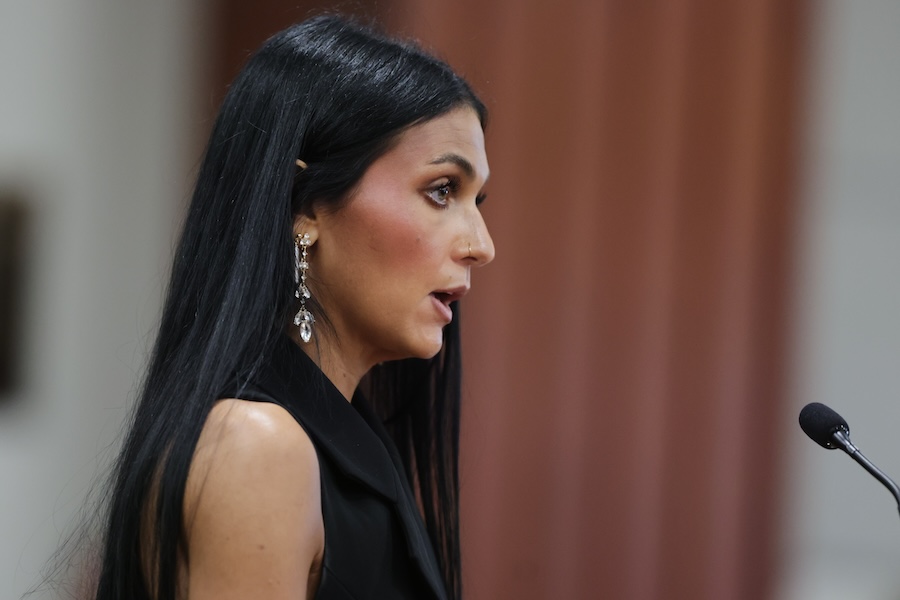
“She and her family have been through so much,” Wintrow said. “So it’s so important to really work with folks and understand the trauma they’re experiencing, so families feel they have a sense of control.”
Alivea Goncalves credited Wintrow with taking the time to hear her out in hopes of enacting the change to Idaho law “not just for us, but for the next family facing their worst nightmare.”
“Out of many, she was the only to actually articulate my voice and value my perspective,” Alivea Goncalves said in an email to the Idaho Statesman. “More than just offering condolences — as many in positions of power have — she offered actual help, support and change. Even just the possibility of making a difference has been a beacon of hope in an impossibly never-ending storm.”
The other three U of I student victims were Madison Mogen, Xana Kernodle and Ethan Chapin. The families of Mogen and Chapin successfully sued the city of Moscow last year over a related matter. On behalf of its police department, the city initially released a handful of redacted crime scene photos from inside the rooms of the victims in response to a request made under the Idaho Public Records Act.
Last month, Idaho State Police posted to its website — and then quickly removed — thousands of redacted images from the crime scene under the belief it was adhering to the state’s public records law. One of the images inadvertently failed to redact a portion of the body of one of the four victims killed by Bryan Kohberger.
RELATED | Judge rules for Moscow murder victims’ families in fight over crime scene photos
The agency recognizes frustrations from the victims’ families, ISP spokesperson Aaron Snell said in a prior statement.
“This was a tragic case, and we do not take the impact of the crime or the release of records lightly,” he said. “The Idaho State Police remains committed to handling sensitive records professionally, lawfully, and with respect for all affected parties.”
But ISP’s release of the photos again drew condemnation from the victims’ families, including the parents of Kaylee Goncalves.
“The crime scene photos were bad,” her mother, Kristi Goncalves, said through tears this week on the Brian Entin Investigates podcast. “They were bad.”
“We’re trying to change laws,” added Steve Goncalves, Kaylee and Alivea’s father. “You’re not going to murder someone and then their records get blasted out for the rest of the world to see … .”
Wintrow’s bill also came about as the result of efforts by another father, who sought to prevent the disclosure of autopsy photos of his daughter possessed by a county coroner. Allen Hodges, whose 16-year-old daughter died from an epileptic seizure in 2020, has pushed to clarify the state’s public records law to ensure that such images can’t be released to a requester, the Idaho Capital Sun reported.
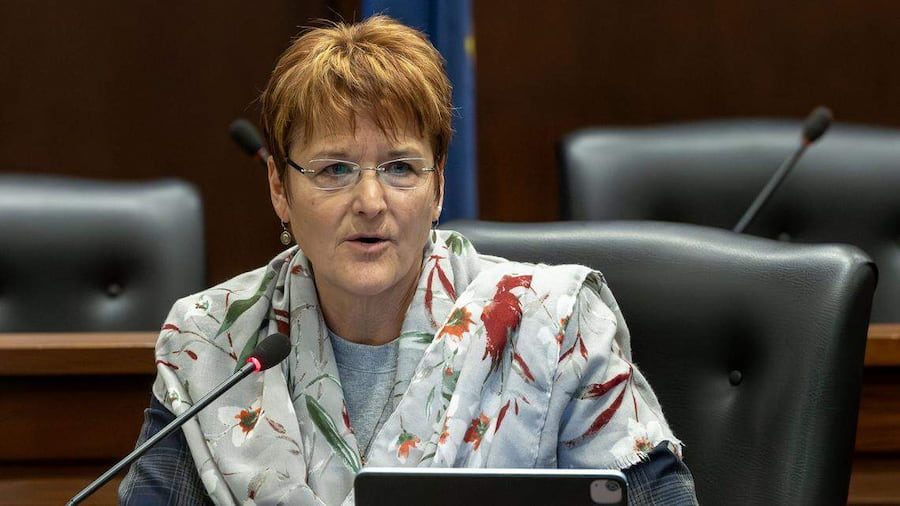
Wintrow told the Statesman that her reworked bill aims to reach a proper compromise over what members of the public, including the press, can receive in records requests while upholding the dignity of the person who died and honoring their family’s wishes. On Monday, the bill advanced in a Senate committee for a future public hearing.
The Idaho Press Club worked with Wintrow, reviewed various legislative proposals for the past year and does not oppose the bill that would add the new public records exemptions, said Melissa Davlin, the group’s president.
“We believe it strikes the balance between protecting the privacy and dignity of the decedents while preserving transparency on other aspects of investigations, including factors that may have public health and safety implications,” Davlin told the Statesman by email.
Editor’s note: Idaho Statesman journalists are members of the Idaho Press Club, and editor Chadd Cripe serves on the board of directors.