



Utah lawmakers reject bill banning publicly funded gender-affirming care
Published at
Will Ruzanski, Utah News Dispatch
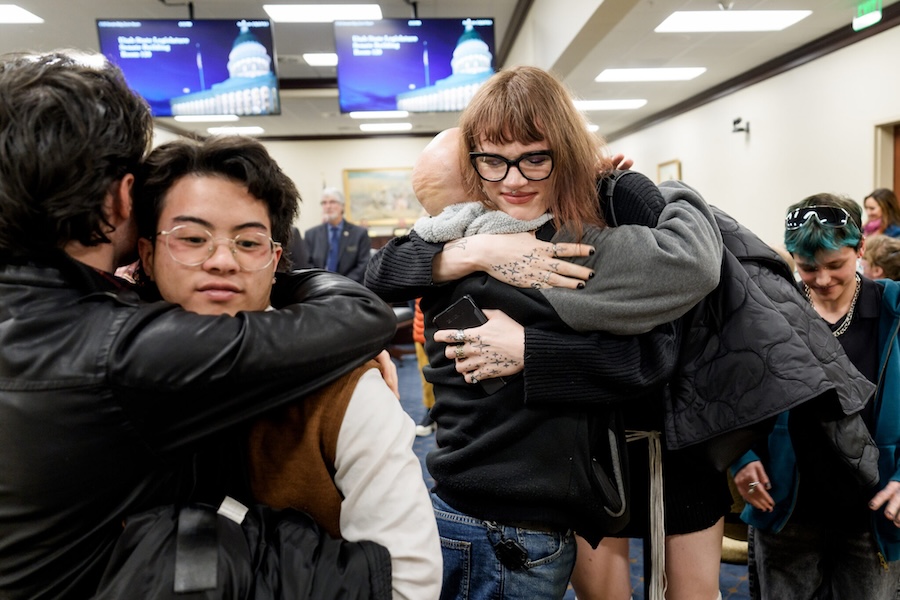
SALT LAKE CITY (Utah News Dispatch) — Utah legislators have rejected a bill that would ban public, taxpayer-funded insurance from paying for gender-affirming care, with some Republican committee members arguing the bill could cost taxpayers more money and restrict an individual’s medical rights.
In a 5-1 vote Thursday, the Senate Business and Labor Committee said no to HB193 — sponsored by Rep. Nicholeen Peck, R-Tooele. The bill would also require public insurance companies to pay for “detransitioning” treatment if that agency paid for the original transition care, and would allow those already undergoing treatment to continue.
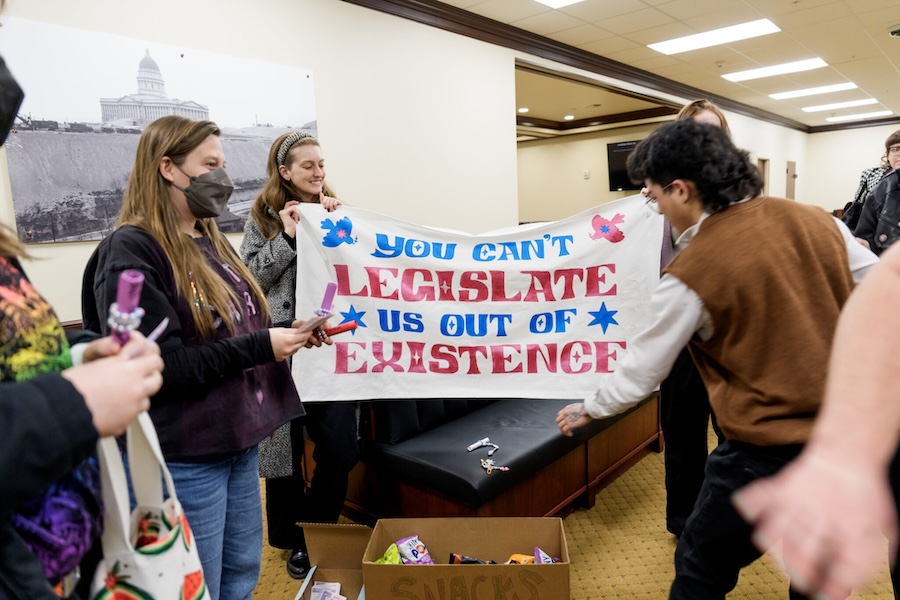
This is the fifth year in a row Utah’s legislature has seen multiple bills targeting transgender people. HB193 passed the House earlier this month but failed to reach the Senate after a contentious committee debate and extensive public comment, where many argued gender-affirming care is effective and saves money in the long run by preventing additional treatment requirements.
Bill may spend more taxpayer money, harm public insurance
Research shows gender-affirming care is more cost-effective than treating complications that arise from gender dysmorphia and mental health concerns, according to Johns Hopkins. Some committee members, including Sen. Evan Vickers, R-Cedar City, told the committee that the bill would harm PEHP, a taxpayer-funded insurance that serves Utah’s public employees.
“It would negatively affect PEHP,” he said. “This version would put them at a disadvantage because if there was a public employee group, they could simply go to another insurance company that was providing the coverage.”
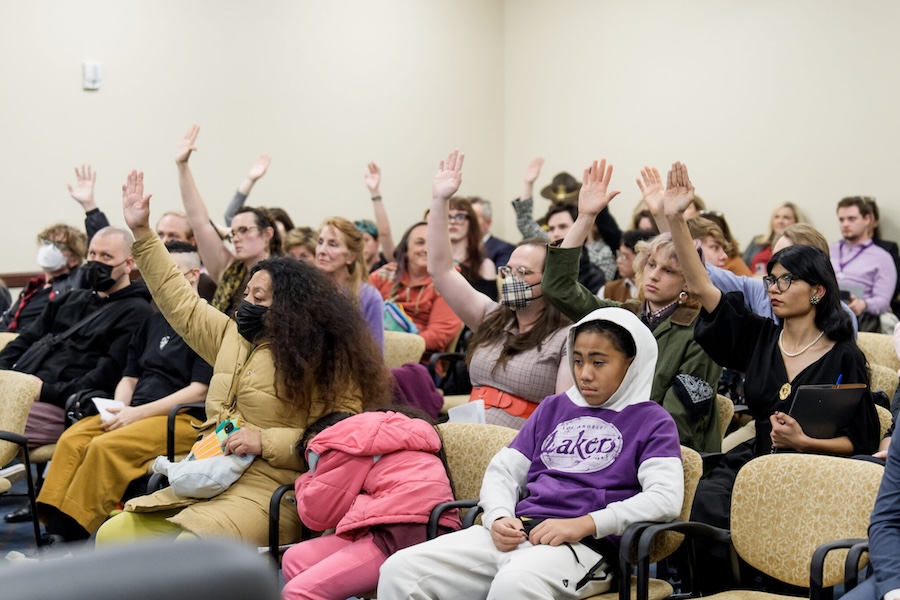
Dr. Harris Carmichael, a physician with Intermountain Health who spoke in a personal capacity, emphasized that gender-affirming care costs less over time.
“If you’re trying to balance cost, this is not the way to do it,” Carmichael said. “We know that gender-affirming care reduces depression, anxiety and suicidality. Costs from those are also quite high.”
Medical freedom
Several public commenters raised arguments about medical freedom, and a Republican committee member echoed their concerns. Sen. Todd Weiler, R-Woods Cross, told the committee he was concerned about legislating medical decisions for other adults.
“Why would it be my right as a legislator, as a taxpayer, to decide what health decisions that other adults are doing just because I don’t like the procedure?” he said. “I’m really struggling along those lines.”
Referencing an example of elective breast removal surgery for women in different circumstances, he expressed concern about equal treatment.
“Let’s say you have two women, and they’re both 35 years old, and one of them … just wants a double mastectomy,” Weiler said. “Their co-worker wants a double mastectomy because she’s now identifying as a male … why would the insurance cover for one of them but not cover for the other one?”
Utah News Dispatch is part of States Newsroom, a nonprofit news network supported by grants and a coalition of donors as a 501c(3) public charity. Utah News Dispatch maintains editorial independence. Contact Editor McKenzie Romero for questions: info@utahnewsdispatch.com.