



The funnest creatures to watch: Burrowing owls have arrived in east Idaho
Published at | Updated at
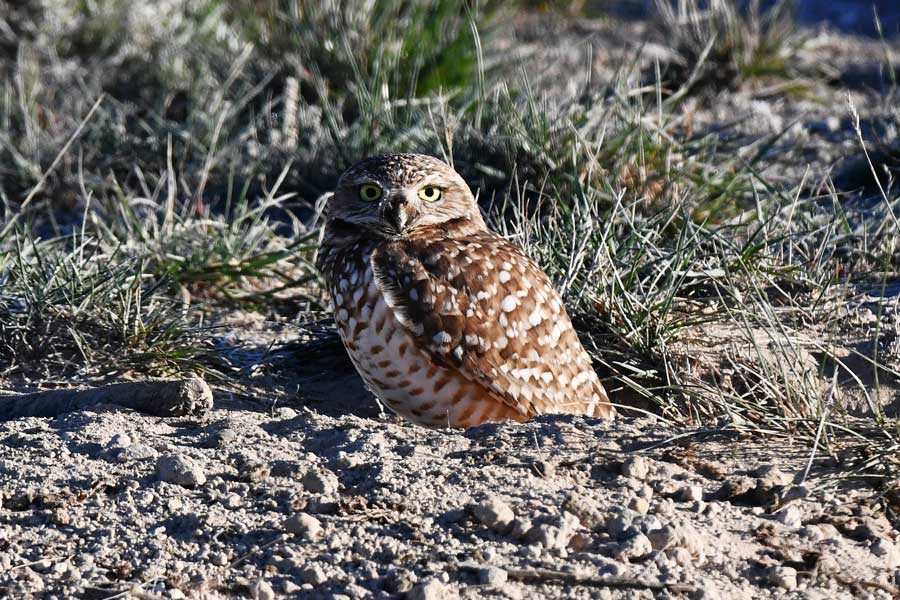
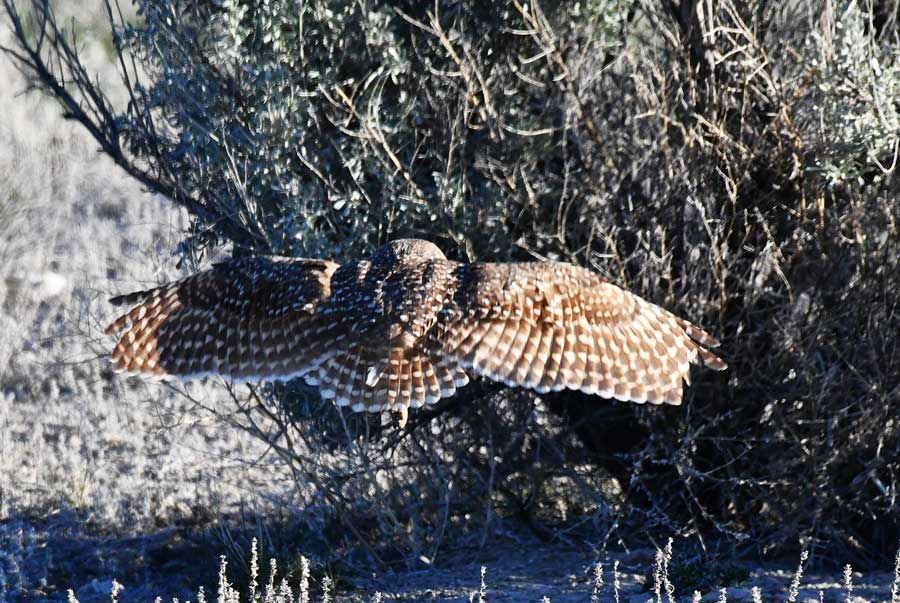
REXBURG — About 10 days ago, I ran into four pairs of burrowing owls in a small area along the frontage road between Sage Junction and Hamer — and it appears they have scattered out.
Last week in the same area, there were only two pairs of burrows. But in an area from the freeway to Monteview and Crooked Creek, I found 11 burrows — with one or two of the owls sitting on the lips of burrows. Some can also be found near some of the busy sage grouse leks.
In my travels rock hunting this week, I saw four different owls standing on the lips of their burrows. They were all singles, but that does not mean the females are sitting on their nests; they may have been hunting or cleaning their underground digs, preparing to nest.
It appears that the owls don’t quite know what to do with this weird weather. One day the temperatures are in the 70s, and the next day it is freezing, raining or snowing. I have not seen any nesting activity this year, but we are still about two weeks away from when the females typically start to sit on their nests. Once they start nesting, the males will bring in food a couple of times each day.
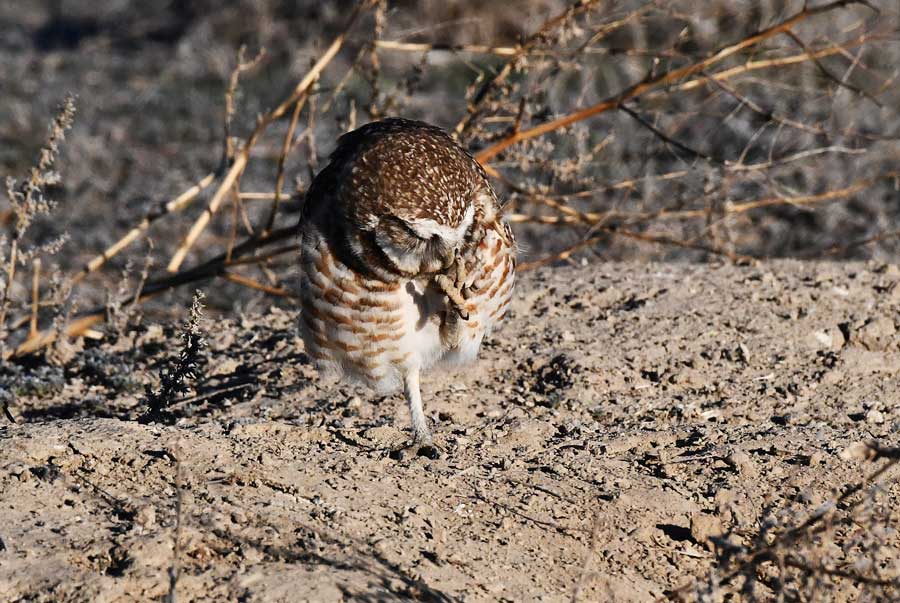
If you are looking for the burrowing owls, a good place to start is somewhere that they have nested before. Also, look for active ground squirrel colonies. During the winter, badgers will dig up the hibernating squirrels, and the owls may use those diggings for their burrows.
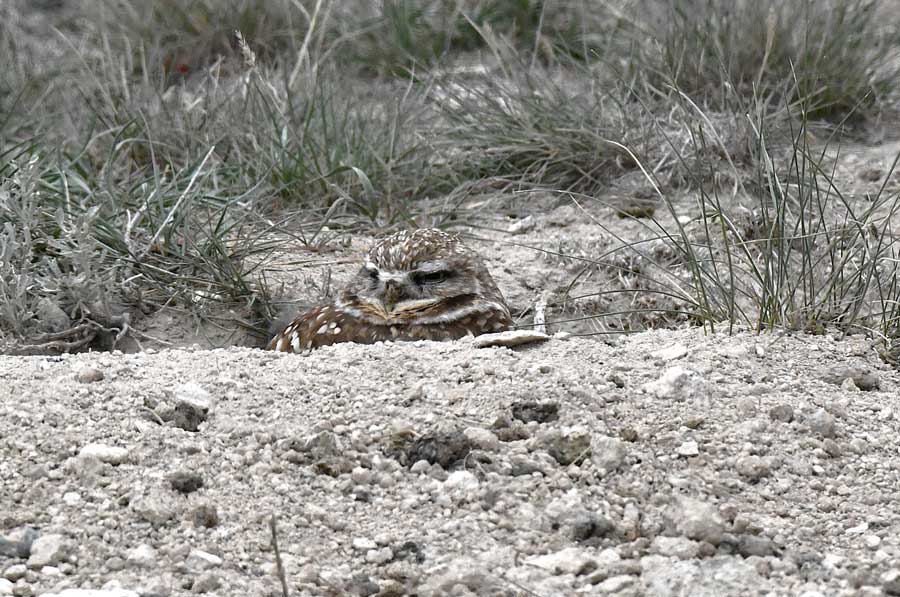
This week, I also found a pair of owls exploring some old irrigation pipes in the corner of a field. I don’t know if they will use it, but it looks like they have been there for a few days.
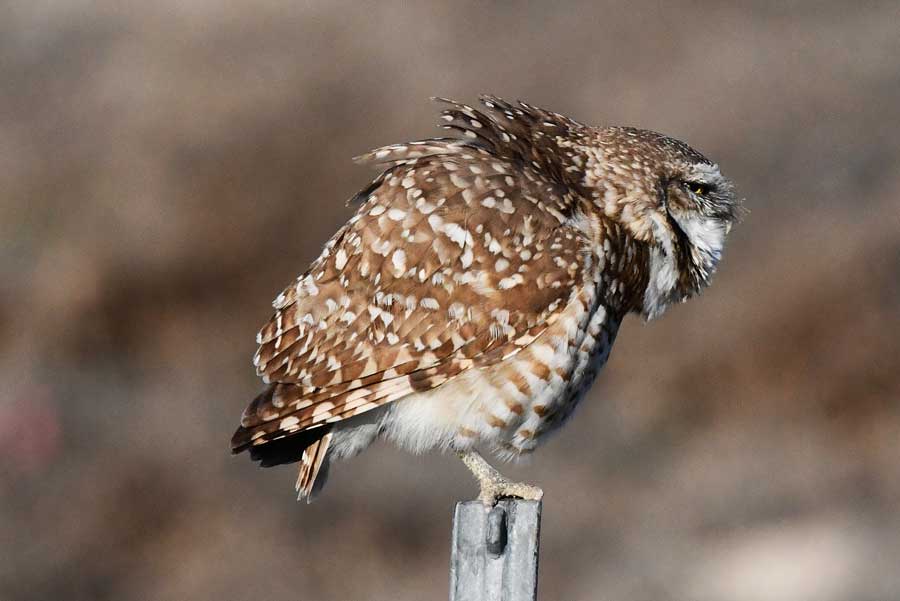
These little owls are some of the funnest creatures to watch. They bob and weave, just peer over the edge of the burrow or stand at attention, and even call back and forth to others. Old cowboys used to call them the “howdy” birds because they sometimes appear to tip their hat and greet you.
When the owlets hatch, the fun continues. They stretch, spread their growing wings, crash and burn as they learn to fly, and chase grasshoppers or other flying insects for food.
Once the Mrs. begins sitting, she and her mate will place dried cow dung around the edge of the burrow. Some experts think that this might be to mask the scent of the nests or to attract insects for the owlets to chase while learning to hunt. Whatever the reason, it just adds to the complexity of these birds’ habits.
Even with the weather jumping from summer back to winter, it is a great time to be looking for other owl species. Great-horned owls have been sitting on their nests for a couple of weeks now, and some will soon be hatching out. If you find a young owl on the ground out in the wild, leave it alone. The parents will still feed it and will help it get into a tree.
Now is the time of year when I usually stop feeding birds in my yard; but with the unpredictable forecasts we’ve had, I plan to continue to feed them until the weather settles down.
Have a great week! And if you are into rocks, it is time to get out there and start rock hunting. But beware of the wood ticks, because they are also out there. A little precaution should be used to protect yourself and your pets while in tall grass or sagebrush.
MORE ‘LIVING THE WILD LIFE’ ADVENTURES:

Living the Wildlife is brought to you by Yellowstone Teton Territory. Experience 7,500 square miles of untamed wilderness in Eastern Idaho's Yellowstone Teton Territory. Where majestic peaks meet endless adventure, your perfect outdoor escape is waiting. Start planning at YellowstoneTeton.com.