



Despite drought and rising costs, Idaho farmers ramp up crop acreage by 2 to 4%
Published at | Updated at
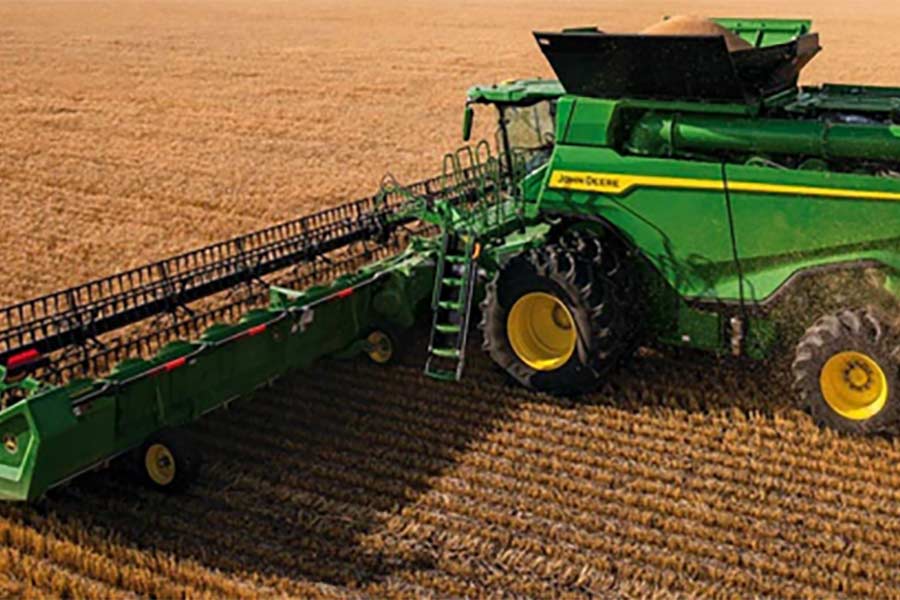
IDAHO FALLS – Although Idaho farmers are facing significant challenges with water, commodity prices, and uncertainty related to the conflict in Iran and the Strait of Hormuz, they’re projected to plant more crops this year.
The United States Department of Agriculture released its Prospective Plantings report on March 31. It shows that farmers are looking to plant about 4.16 million acres of principal crops in 2026. The total acreage was a little over 4 million in 2025, which means that acreage has increased between 2 and 4 percent.
Nationwide, the same report shows a slight decrease from more than 311 million acres of principal crops in 2025 to nearly 310 million in 2026.
The acreage estimates from the USDA’s National Agricultural Statistical Service are based on surveys “conducted during the first two weeks of March from a sample of nearly 74,000 farm operators across the nation.”
Idaho’s principal crops include potatoes, corn, wheat, barley, oats, dry edible beans, chickpeas, sugar beets and canola. Acreage estimates for potatoes have not yet been released. The NASS will release those estimates in late June. Of the other crops, wheat, barley, oats and dry edible beans are up. With a 25% increase since last year, oats are seeing the largest acreage increase.
Hay acreage is also up 9% since 2025.
Of the other products, sugar beet acreage is seeing the largest decline at 5%.
Other crops included in the report are rice, soybeans, peanuts, sunflowers and cotton. Although these crops are grown in other states, they are not grown commercially in Idaho.

A recent article from the Idaho Farm Bureau Federation, a nonprofit made up of voluntary board members that works to promote and advance agriculture in Idaho, cites a report from North American Potato Market News that estimates a 5% decline in potato acreage this year. It shows Idaho potato acreage will decrease from 315,000 acres in 2025 to 300,000 acres in 2026.
The Idaho potato trend follows the national trend, which is expected to decline by 3% from 902,000 acres in 2025 to 878,000 acres in 2026.
Nationwide, NAPMN owner Ben Eborn tells the Idaho Farm Bureau that the largest potato acreage reduction is expected in Idaho.
Not only are potatoes Idaho’s largest crop, but the Gem State also produces one-third of the nation’s spuds, according to Idaho Farm Bureau.
“Growers across the country are extremely concerned about current market conditions, rising production costs, the lack of profitable alternative crops, the ability to obtain financing, increasing global competition, and limited irrigation water supplies,” Eborn said in the Farm Bureau report.
‘A make it or break it type of year’
Clark County Commissioner MaCoy Ward farms about 8,000 acres in Monteview and Dubois. His main crop is wheat and alfalfa. In conjunction with the uptick in total acreage statewide for those two crops, Ward tells EastIdahoNews.com that alfalfa prices are also on the rise, which he attributes to the drought.
RELATED | Idaho declares drought emergency for all 44 counties as snowpack hits record lows
Amid an emergency drought declaration across the state and rising costs in other commodities, like fertilizer and diesel, it’s forced many farmers, including Ward, to shift their crop acreage to determine what mix will be more profitable.
“Wheat prices are up, but not much. It’s looking like a break-even crop this year. We’ve asked ourselves whether we put money out there (to plant a crop) or do we let the ground sit for a year and move the water to feed our hay better?” says Ward.
He says hauling hay is also more expensive because of the gas prices.
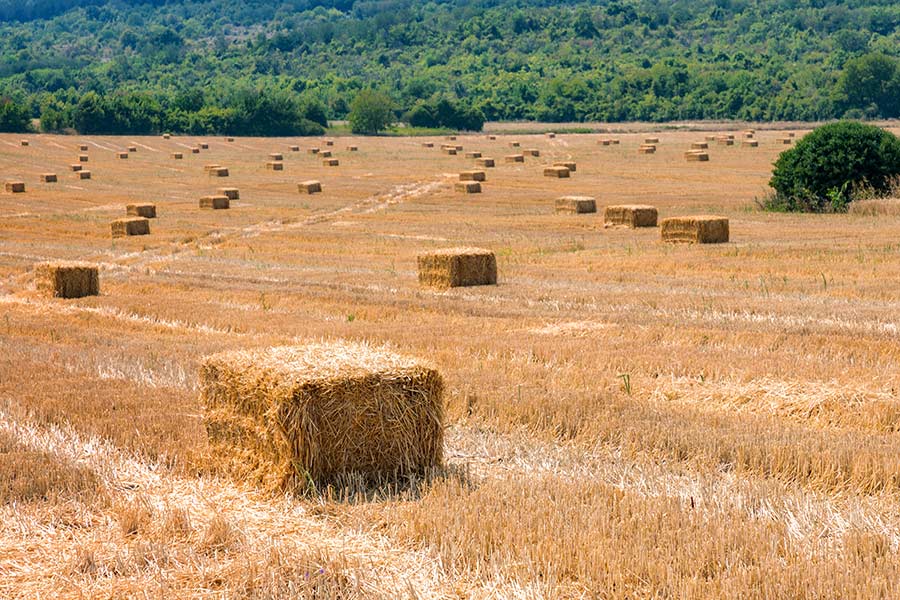
Some farmers are trying to conserve water by planting less. Ward says he’s set aside 500 acres for grass, which he’ll be using for cattle grazing.
But even with the trade-off, Ward says they still have a crop in the ground. Having enough water is his utmost concern, and he’s hoping for a rainy growing season.
“A lot of people are putting everything into their crops now and it’s a make it or break it type of year,” says Ward. “It’s a tough situation for everybody.”
Amid the water shortage, Ward says expanded water storage projects and aquifer recharge infrastructure are critical, and he’s calling on farmers to advocate for it.
If these changes don’t happen, Ward says it will put more of a strain on growers and the agriculture industry, and the economy will suffer.
“If we fail to invest in long-term water security now, future generations of farmers will face severe challenges,” Ward says. “Water is the foundation of food production, and without reliable storage and recharge systems, both agriculture and the broader American economy will suffer the consequences.”
Ag at-a-glance
Idaho Congressman advances funding for Aberdeen Research and Extension Center
ABERDEEN – Five million dollars will go towards updates at the USDA-ARS University of Idaho Aberdeen Research and Extension Center Potato Breeding Facilities Project in Aberdeen.
Rep. Mike Simpson, R-Idaho Falls, made the announcement in a news release on April 29. He helped advance the funds as a member of the House Appropriations Committee. The money was provided through Community Project Funding in the 2027 Agriculture, Rural Development, Food and Drug Administration Appropriations Bill.
It will be used to update federally owned storage and greenhouse facilities so they can continue conducting the research needed by the potato industry.
The Aberdeen Research and Extension Center is home to several research projects investigating potato-related diseases and disease management techniques, as well as potato pests, cropping systems and weed biology, control, and herbicide resistance, and more.
The center plays a crucial role in developing potato varieties that are higher yielding, more disease-resistant, and have better end-use qualities than past varieties.
Simpson celebrates passage of farm bill
IDAHO FALLS – Idaho Congressman Mike Simpson voted in favor of H.R. 7567, the Farm, Food, and National Security Act.
It recently passed the House by a vote of 224-200.
Dubbed the “Farm Bill,” it reauthorizes, modernizes, and improves key USDA programs through 2031, providing certainty to farmers and stakeholders.
Some of the legislation’s highlights are noted in a news release from Simpson’s office. Among them are expanded access to credit and risk management tools for producers who are facing some of the toughest times in the farm economy since the crisis of the 1980s.
The news release calls it “the most pro-specialty crop farm bill in history,” prioritizing domestic production of healthy fruits and vegetables.
It also protects interstate commerce for livestock producers and provides regulatory certainty for farmers who need access to critical crop protection tools.
Other parts of the bill add increases in funding for further export market development, modernization of rural development and energy programs. It prioritizes cutting-edge research, expands access to meat processing, and codifies key initiatives related to national security and foreign ownership of farmland.
IN CASE YOU MISSED IT…
Record-breaking heat & 55 mph winds to blast through eastern Idaho
A fond farewell to Biz Buzz — and a fresh start ‘From the Field’
Water worries increase as drought grips Idaho, but one Rigby lake is still rising
Butte County water dispute ends as groundwater users join state mitigation plan
If you have a From the Field story idea, send it to rett@eastidahonews.com. Remember to use ‘From the Field’ in the subject line.